Hollywood’s Beatles Invasion Puts UK Towns Back at Centre of Film Production
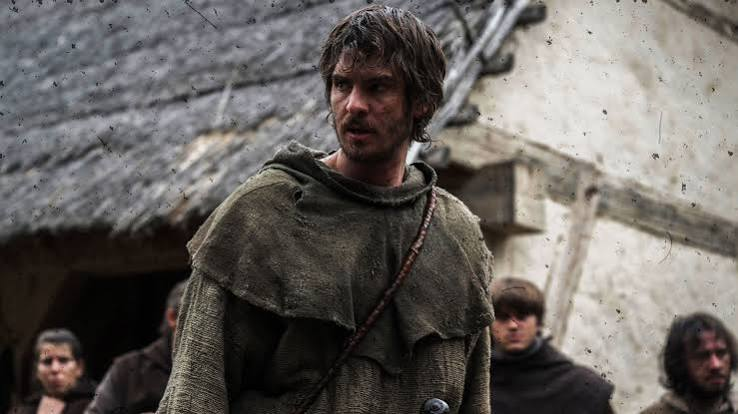
Sam Mendes’ four film Beatles project has resumed UK location shooting this month, with large scale sets and the cast spotted across Liverpool and smaller heritage towns such as Saltaire. The production is bringing economic activity, road closures and fresh debate over on street filming to communities that helped shape the band’s story.
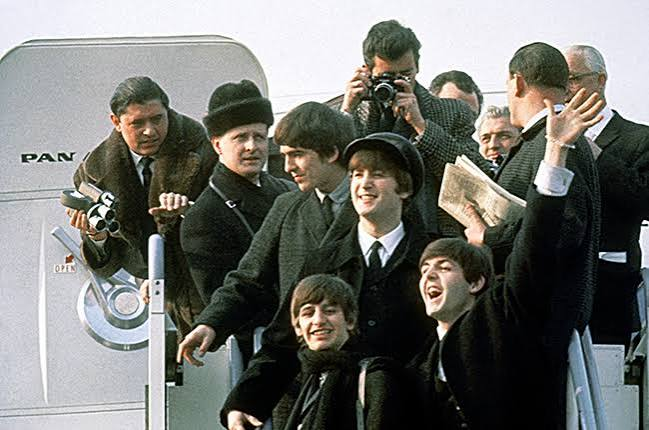
Sam Mendes’ ambitious four film series about the Beatles returned to visible location shooting across the United Kingdom in September 2026, with major sequences staged in Liverpool and crews reported in the Victorian model village of Saltaire in West Yorkshire. The scale of the production, which has exclusive life story and music rights from the band’s estates and Apple Corps, is underlining how big studio projects continue to treat Britain as both a creative resource and a practical filming hub for Hollywood tentpoles. The production has recreated familiar Beatles moments on public streets and outside landmark venues, drawing local onlookers and repeated set visits by cast members seen in character. In Liverpool, where the band’s roots are a central element of the films, the cast and crew have staged a recreation of the 1964 homecoming and other period scenes in the city centre. The activity has been widely photographed and shared by residents and local journalists, creating a surge of attention that combines local pride with the practical realities of large scale on location shoots, including traffic diversions and road closures. Meanwhile in Saltaire, a Unesco World Heritage village in Bradford district, residents and businesses reported a sudden influx of production vehicles and staff. The historic cobbled streets and preserved 19th century terraces offer a ready-made period backdrop, a reason producers frequently choose such sites when creating authentic period detail without costly build work. Local vendors described a “buzz” and an uptick in visitors while the village accommodated temporary production bases and controlled filming lanes. Why the UK still matters for Hollywood There are several reasons the Beatles project, financed and distributed through major international partners, continues to film in the United Kingdom. First, the story itself is rooted in British places and institutions, making location authenticity a narrative advantage. Second, Britain’s production infrastructure, from experienced crews to studio facilities around London and Manchester, remains competitive for international filmmakers. Third, tax incentives and co‑production arrangements persist as practical financial incentives to shoot in the UK. That combination makes the country attractive for projects that balance period authenticity with modern production efficiency. For a project of this magnitude, being able to capture the look and feel of Liverpool, and to turn preserved towns like Saltaire into specific set pieces, can save on builds and post production while offering publicity moments that feed press attention ahead of release. Local impact and community responses Large scale shoots do not arrive everywhere unnoticed. In Liverpool, the presence of actors in full period costume on familiar streets drew crowds and photographers, and local businesses reported both curiosity and disruption as traffic management plans were put in place. In Saltaire, residents welcomed the economic boost of production spend and the extra footfall for cafes and shops, but some questioned how long temporary road closures and logistical bases would last during a busy festival month for the village. Local councils and film offices typically coordinate such operations to limit disruption and secure necessary permissions, balancing community interests with the jobs and spending the production brings. Film London continues to publish regular location lists that identify active shoots and provide local stakeholders with a single point of contact, helping to reduce friction when Hollywood crews move in. Creative and commercial stakes The Beatles four film project is notable not only for its production scale, but for its unusual creative structure. Each of the four films is planned as a standalone narrative told from the point of view of one band member. The access to the band’s recorded catalogue and the estates’ cooperation makes the series a rare authorised cinematic interpretation of one of the most commercially valuable and culturally influential bands in modern music history. For the UK locations involved, the project offers a double return: direct economic benefits from the shoot itself, and longer term tourism interest when film fans visit the places where the movies were made. Visit data from previous large productions show that audiences regularly travel to location sites after releases, prolonging the cultural and economic impact of a shoot long after camera wrap. What to watch next Production watchers and local councils will track how long the current UK location work continues through the autumn, and whether additional towns will be used for interior and exterior scenes. For residents the immediate questions are practical: how road closures and filming windows will be communicated, whether local businesses will receive advance notice, and how public access will be managed during shoots. For the film industry the focal point will be how the director manages authenticity while delivering a project that aims to satisfy global audiences and the estates who authorised the films. The current round of filming underlines a wider industry pattern where major Hollywood projects continue to depend on the United Kingdom for both storytelling authenticity and production capacity. That dependency creates opportunities for local economies and creative talent across the country, but it also requires careful local planning to keep disruption manageable and ensure communities share in the benefits without undue inconvenience.
Topics
LocationSaltaire village and Liverpool city centre