Indian designers and celebrities were prominent on two of the world’s most visible fashion platforms between September 22 and 24, 2026, signalling a fresh moment for the country’s couture and contemporary labels. At New York Fashion Week a South Asian bridalwear label staged a show rooted in Indian architecture and ancient literature, while Vogue World: Milano assembled a high‑profile guest list that included several Indian names a reminder that Indian aesthetics are increasingly part of global fashion conversations.
These appearances are not isolated stunts; they build on a pattern of designers translating Indian craft, rituals and iconography into collections that speak to global audiences without losing their cultural specificity. The shows also spotlight how Indian celebrities are serving as international ambassadors for homegrown designers, bringing attention and press that many labels say they prize.
Nazranaa’s Samskriti 2.0: temples, poetry and mathematics on the NYFW runway
At New York Fashion Week, bridal and couture label Nazranaa presented "Samskriti 2.0," a collection that explicitly mined India’s temple architecture, festival customs and intellectual history for its shapes, motifs and textiles. The sibling design duo behind the label wove references from sites such as the Dakshineswar Kali Temple, Tirupati Balaji and Madurai’s Meenakshi Temple into embroidery, geometry and silhouette even drawing on ancient Sanskrit poetic forms and mathematical sequences for textile patterns. Actor Bhumi Pednekar closed the show in a hand‑embroidered lehenga that the designers said connected family memories and classical forms to contemporary couture. "There is something very special about seeing Indian culture celebrated on a global stage like New York Fashion Week," Pednekar told the show’s press.
Vogue World: Milano Indian faces on one of fashion’s most watched guest lists
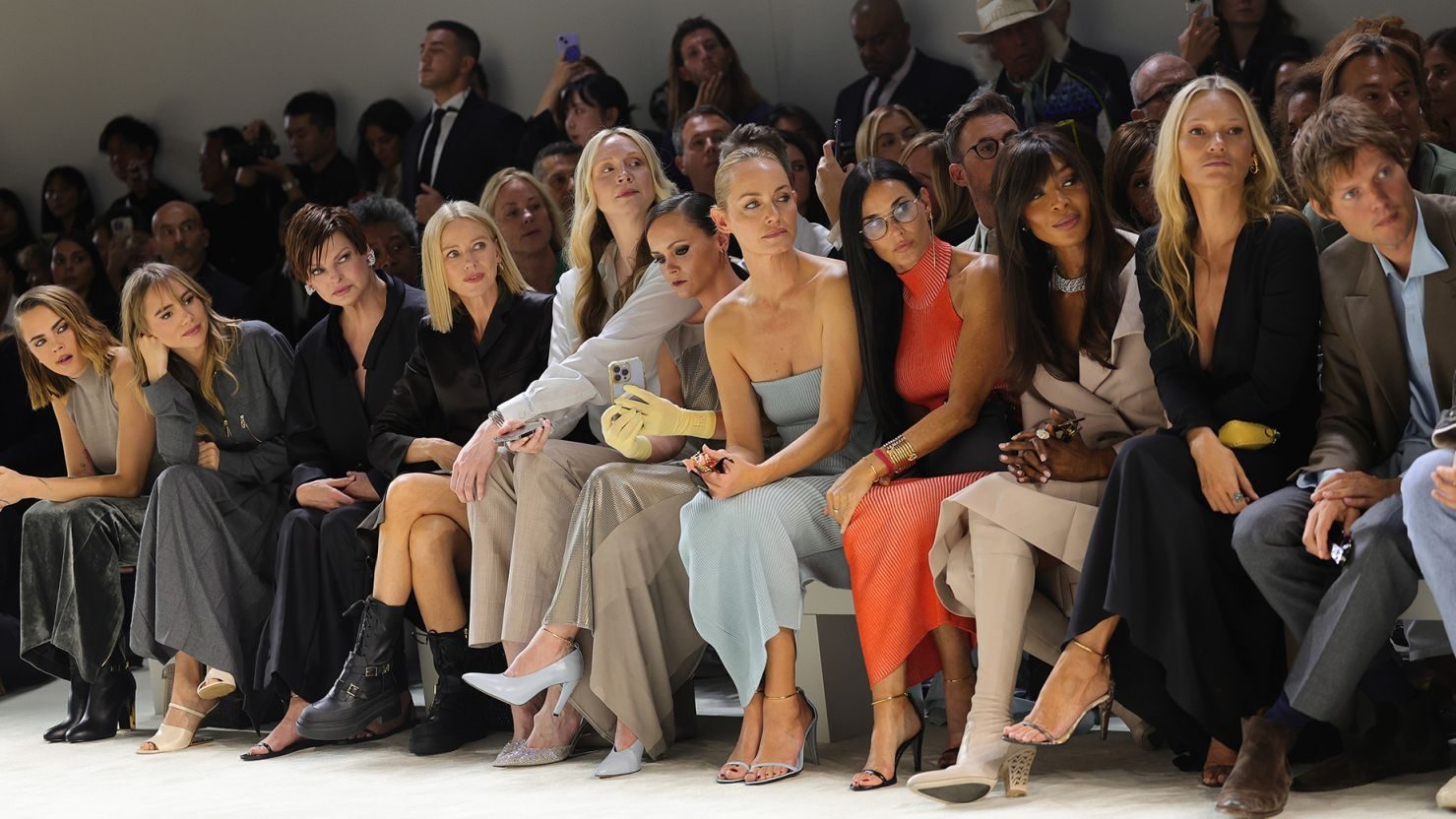
Across the Atlantic, Vogue World: Milano —held at the historic Galleria Vittorio Emanuele II during the opening of Milan Fashion Week — drew an international roster that included several South Asian celebrities and designers. Indian names such as Rashmika Mandanna and Manish Malhotra were photographed on the red carpet and in front‑row seats, alongside designers and cultural figures of Indian origin, emphasising the diaspora’s visibility at marquee global events. Organisers framed Vogue World: Milano as a celebration of craftsmanship and the human touch in fashion, a narrative that dovetails with what many Indian designers presented this season.
Why this moment matters for Indian fashion
There are three converging dynamics behind the recent attention. First, designers are increasingly foregrounding craft narratives — not only as decoration but as conceptual backbone making collections that are legible to international editors and buyers while still transporting a distinct cultural story. Second, celebrities from India and the diaspora are more frequently participating in global fashion events, amplifying designers’ reach. And third, international platforms themselves are emphasising heritage and artisanal process as antidotes to hyper‑digital, trend‑driven cycles, creating an appetite for regionally specific storytelling. Industry coverage of both the NYFW presentation and Vogue World suggests these shifts are being noticed by tastemakers and the market alike.
What designers and buyers are likely to watch next
Expect to see more collections that fuse ceremonial or architectural references with contemporary tailoring and more strategic use of celebrity walkouts and front‑row appearances to open doors in international markets. For Indian labels, the path from a well‑received show into sustainable commercial growth still runs through production partnerships, international retail placements and storytelling that translates for different cultural contexts. The shows this week also reinforced a broader point: when designers present a well‑articulated cultural argument, global media outlets and buyers take notice, which can accelerate opportunities for collaboration, couture orders and bespoke commissions.
If there is a takeaway for Indian audiences, it is that the fashion conversation is shifting from token presence to meaningful participation. Designers who marry rigorous craft research with modern silhouettes and who can navigate the publicity engine of international fashion weeks are the ones most likely to convert visibility into long‑term recognition.
As Milan and New York close their September calendars, attention will pivot back to national platforms and retail calendars in India. But the images and stories from these shows embroidered lehengas inspired by temple motifs; couture pieces referencing Sanskrit meter; Indian stars on the global red carpet will linger in editorials and social feeds, shaping what global fashion thinks of India in 2026 and beyond.