Ukulele orchestra closes the month with a free concert at Forte de Copacabana
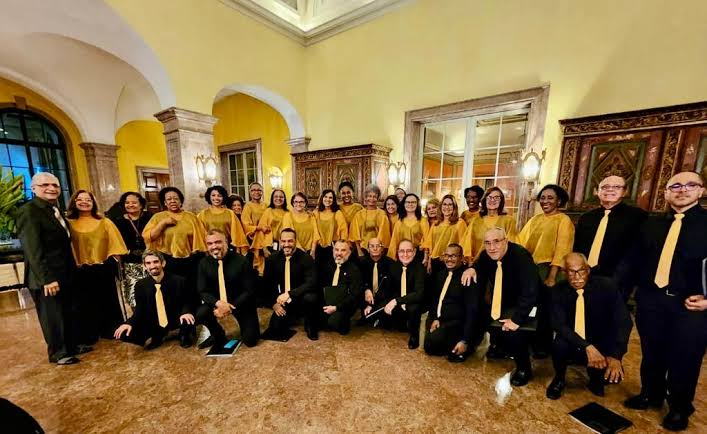
On the evening of September 29, 2026, the Museu do Exército at Forte de Copacabana hosted one of the signature events of Música no Museu, the long running program that stages free classical and popular music concerts across Rio de Janeiro. The scheduled 18:00 performance featured the Orquestra de Ukuleles under conductor Vinicius Vivas, presenting a program of international classics for a modest audience in the fortress museum complex.
Part of a years long civic music project
Música no Museu is a civic cultural initiative that places short concerts in museums and other heritage sites, aiming to widen public access to chamber and solo repertoire while activating historic buildings as living cultural spaces. The project has returned to Rio venues this year following a series of summer and early autumn performances, and the Forte de Copacabana date on September 29 continued the program's pattern of low cost or free shows designed to attract local residents, day visitors and tourists.
Why this concert matters
The appearance of an ukulele orchestra at a military museum by the sea captures two trends in Brazil's contemporary cultural scene. First, organizers are increasingly programming ensembles and formats that blur the line between so called high culture and popular practice, inviting broader audiences to classical venues. Second, affordable public programming remains a vital part of Rio's cultural calendar as operators and municipal bodies try to keep heritage sites active and accessible.
What the program offered
According to event listings published for September 29, the Orquestra de Ukuleles performed arrangements of international classics under the direction of Vinicius Vivas. The concert was listed with a capacity of roughly 150 seats at the Museu do Exército, and admission was free. The one night performance fit into a busy national schedule of concerts and festivals taking place across Brazilian cities on the same date, from chamber recitals in the Centro Cultural Banco do Brasil to orchestral programs in Sao Paulo and Porto Alegre.
Local cultural ecosystem and audience experience
Events like Música no Museu rely on a network of municipal cultural agencies, independent promoters and volunteer musicians. For audiences, they provide a no cost way to experience live music in distinctive settings. At Copacabana the backdrop of the Atlantic and the fortress architecture makes the concert an attractive option for residents and visitors who want to combine a short cultural outing with an evening walk along the beachfront.
Broader context: heritage, tourism and free programming
Rio's municipal tourism agency and local cultural listings have both promoted Música no Museu as part of an ongoing strategy to animate historic buildings and expand cultural access. That approach has become especially important as cities around Brazil compete to host festivals and attract out of town audiences while also maintaining year round cultural programming for locals. Free or subsidized concerts are one of the tools cities use to keep community engagement high and to highlight the adaptability of museum spaces.
Practical details and what to expect next
For those who attended on September 29 the concert offered roughly an hour of accessible music and an opportunity to experience the larger Música no Museu calendar in person. The project continues to list upcoming dates at a range of Rio venues, including the Centro Cultural Banco do Brasil and other museum spaces. Future programs commonly feature chamber groups, vocal ensembles and solo recitals that rotate through the month, often with free or low cost entry.
At a moment when cities are recalibrating cultural policy and trying to broaden audiences, the Forte de Copacabana performance is an example of how modest, well programmed concerts can connect heritage sites with everyday cultural life. For Rio residents and visitors, Música no Museu remains an easy way to discover local talent and to see familiar public spaces reimagined as concert venues.