Protests continue as students call for resources and safety
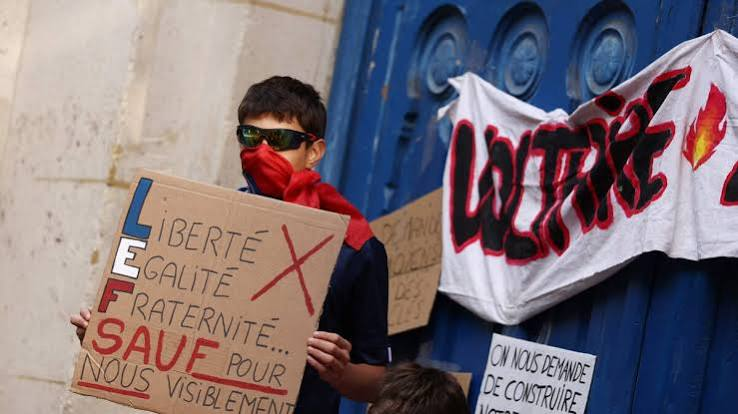
On October 8, thousands of high school students across France took part in a fourth consecutive day of demonstrations and school blockades, seeking increased education funding and changes to school safety policies. The movement, which began earlier in the week with large turnouts in Paris, Lyon, Marseille and other cities, has expanded into another day of street demonstrations and local campus actions, forcing partial or full closure of many lycees.
Where the action is and what happened on Thursday
By morning, student groups had organised marches and site-specific blockades in dozens of towns and cities. In Paris, students gathered outside several central lycees and attempted to march toward administrative buildings. Local officials reported a mix of peaceful rallies and clashes with police in pockets where authorities moved to clear blocked entrances. In other regions, including the south and west of the country, rolling sit-ins delayed classes and produced localised confrontations between demonstrators and law enforcement.
Police response and political tensions
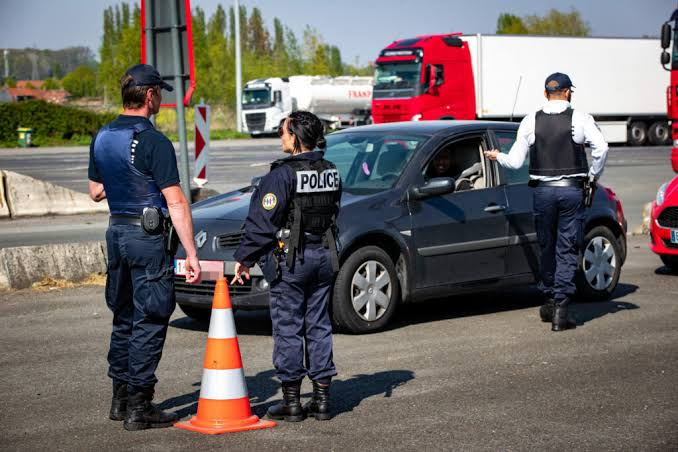
The government and interior ministry defended the actions of security forces, while education and human rights groups criticised what they described as heavy handed policing in some confrontations. Ministers said measures were taken to keep public order and to protect property and nonparticipating pupils, but opposition politicians and civil society organisations pointed to a rising number of student injuries and contested arrests as evidence that authorities must recalibrate their approach.
What students are demanding
Organisers and student unions say their core demands include increased funding for schools, smaller class sizes, better provision for mental health and learning support, and concrete safety measures in and around campuses. Many participants also framed their action as a broader protest against cuts to public services and the rising cost of living that strain families and school budgets.
Scale and public impact
Official tallies for national turnout vary by issuer and timing, but independent reporting and live tallies from several cities indicate the movement remains sizeable. The disruptions have caused partial closures of many lycees and local adjustments to transport and class schedules. Commuters in some urban areas experienced delays where protest lines crossed busy thoroughfares. Education authorities announced that a large share of schools remain open either partially or fully, but that many had reduced timetables because of local actions.
Why the movement matters
The recent mobilisations are notable for their rapid growth and for the demographic at their center. High school students are typically less visible in sustained nationwide political action, and the current wave highlights how issues about public education funding and daily life pressures are resonating with younger potential voters. The demonstrations also put the government under scrutiny over its policing tactics, and have political implications as national leaders weigh both public order and the risk of alienating younger citizens in the run up to future elections.
What remains uncertain and what happens next
At this stage it is unclear whether the movement will keep momentum through the rest of the week or escalate into broader sectoral strikes. Union federations and student organisations have scheduled further days of action and are calling for more nationwide coordination. The government has said it will engage in discussions with education partners, but has not announced any emergency funding changes. Observers say developments to watch include the tone of upcoming negotiations, whether protests widen to include teachers or parent groups, and how authorities adapt crowd control tactics in response to criticism.
Context and background
France has experienced recurrent education protests in recent years driven by budget constraints, contested reforms and concerns about school safety. In 2026, rising living costs and strained public finances have compounded frustrations in many communities, sharpening the political stakes. The current student mobilisation is part of that larger context, but its intensity and the public discussion it has provoked over policing and youth engagement mark it as a significant moment for France's education and political scene.
The demonstrations on October 8 demonstrate both the organisational capacity of student groups and the sensitivity of the authorities to unrest around schools. How national and local officials respond in the coming days will determine whether the movement achieves immediate concessions or becomes a longer running political flashpoint.