Authorities cordon off shipping lane after discovery near Suomenlinna
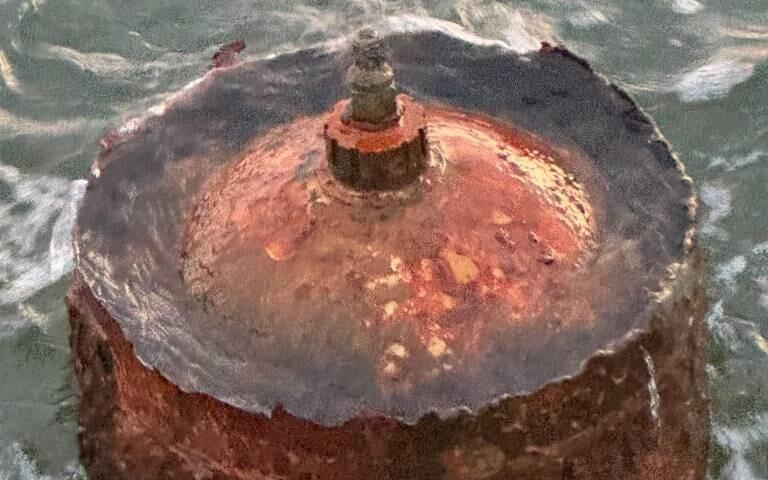
On the evening of October 3, Finnish authorities closed a section of the Helsinki Tallinn shipping lane after a passenger ferry crew reported an unfamiliar, cone shaped metal object floating in the water south of the Kustaanmiekka strait, near the Suomenlinna fortress islands. The discovery prompted an immediate response from the Border Guard, the Coast Guard and the Helsinki Police, which set up a safety perimeter and halted ferry departures that use the route.
Military experts called in to identify the object
Police asked the Finnish Navy to join the operation and examine the object. Navy personnel carried out an on scene inspection during the night. Their preliminary assessment was that the structure did not resemble a recent ordnance or an explosive device, but rather looked like a corroded mechanical component consistent with remains from an old shipwreck. For safety reasons local authorities continued to treat the find cautiously until the object could be examined more closely on land.
Ferry services disrupted, some sailings delayed until early hours
The temporary restriction affected vessels calling at Helsinki's South Harbour terminals, including ships bound for Tallinn. At least one passenger ferry was unable to depart on its scheduled evening sailing and remained in port while the area was secured. According to passenger accounts, some departures did not resume until after midnight as authorities completed the identification work and cleared the zone.
Police confirm no explosive risk, object to be towed for detailed inspection
By the early hours following the discovery, the Helsinki Police Department issued a statement saying the object posed no explosive threat. With that assessment, the cordon was lifted and normal traffic resumed. Authorities announced plans to tow the item to Santahamina naval facilities for a more thorough examination and documentation. Officials said that the detailed inspection is intended to confirm the preliminary view that the item is a relic rather than a recent hazard, and to catalogue any findings relevant to maritime safety and heritage.
Context and why the incident mattered
The Helsinki Tallinn corridor is one of the busiest short sea passenger routes in the Baltic, used by daily ferries that carry commuters, tourists and freight between the Finnish and Estonian capitals. Any unexpected restriction on the lane, even temporary, has the potential to cascade into delays and operational complications for operators and travellers. The rapid multiagency response reflects protocols designed to protect passengers and port operations while avoiding unnecessary alarm.
Beyond immediate transport consequences, the event also sits within a heightened security environment across the Baltic Sea region. In recent years authorities in Finland and neighbouring countries have been vigilant about unidentified objects and unusual maritime activity. In this instance the swift involvement of naval experts and the decision to tow the find for controlled inspection underlines how civilian and defence agencies coordinate to rule out security threats while safeguarding maritime traffic.
What comes next
Investigators will examine the towed item at Santahamina to determine its origin and age. If the object is indeed part of a long sunken wreck, it may be recorded as a maritime archaeological artifact. If any other concerns emerge during laboratory or specialist analysis, authorities said they will publish further guidance.
For passengers and operators, authorities advised following Fintraffic notices and operator communications for any future short term restrictions. For the general public, officials reiterated that sightings of unfamiliar objects at sea should be reported to the Border Guard to ensure a coordinated and safe response.
The episode ended with no injuries or damage reported and with ferry services returning to normal after the police and navy concluded the object did not present an immediate hazard.