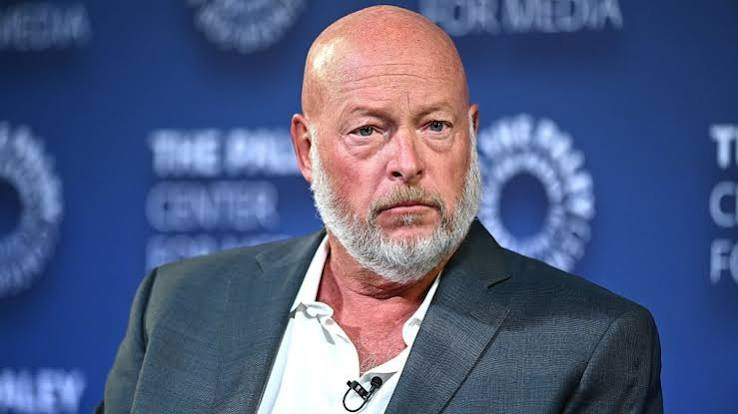
Bob Chapek, the former chief executive of The Walt Disney Company, published a memoir titled Behind the Castle Walls: My Thirty Years at the Happiest Place on Earth on September 29, 2026. The book lands amid a renewed round of public scrutiny of Disney leadership and its relationship with Hollywood studios, talent, and politics.
What Chapek says and why it matters to Hollywood
In Behind the Castle Walls, Chapek offers a detailed recounting of his rise through Disney, his elevation to CEO in February 2020, and the circumstances that led to his abrupt removal in late 2022. Central to his account is a direct allegation that his predecessor and eventual successor, Bob Iger, undermined his authority and played a decisive role in his ouster. Chapek also defends several controversial operational decisions from his tenure, including pricing strategy changes at the parks and the company response to Florida's education law dispute.
For Hollywood, the memoir is more than corporate memoir theater. The book reopens questions about how the major studios and streaming platforms are steered, how content decisions get made, and how power dynamics between creative leadership and corporate boards ripple through deal making and star relationships. Chapek paints a portrait of internal friction at one of the industry’s central institutions, which has implications for producers, talent, and financiers who depend on predictable decision making from the largest studio in the United States.
Timing and the public campaign
The publication coincides with a flurry of publicity that preceded the street date. Chapek promoted the memoir in broadcast interviews in the days before release, arguing that he wrote the book to set the record straight on decisions that critics have blamed for business and reputational setbacks. Excerpts reported by major outlets in the last week highlight his effort to shift blame for his exit from internal missteps to what he characterizes as a coordinated pressuring by his predecessor.
That public campaign is significant in Hollywood terms because narratives about studio chiefs shape how creative communities and corporate partners assess risk. Talent and agents watch closely when a former CEO goes on the record, because reputational narratives help determine whether studios are seen as reliable partners for long term projects and high profile talent attachments.
Industry pushback and context
Chapek’s account does not stand alone. In the run up to publication multiple reporting outlets obtained advance copies or excerpts and published contextual reporting that stresses a mix of external and self inflicted pressures during Chapek’s tenure. Observers note that the COVID pandemic, market expectations for streaming, activist investor pressure, and heated political disputes in Florida all converged on Disney between 2020 and 2022. Those dynamics complicated any chief executive’s ability to manage both creative output and corporate governance.
Some Hollywood insiders and longtime industry reporters have been skeptical of the memoir’s attempt to recast responsibility. They point to public criticisms of certain operational choices, and to the degree to which creative and production communities reacted negatively at the time. Nonetheless, a sitting or former CEO speaking publicly in this way reshapes the record, and studios, talent agencies, and financiers will reexamine previous assumptions about leadership stability and internal governance at major companies.
What to watch next
Expect immediate fallout in several areas. First, corporate and entertainment reporters will press Disney for responses and for comment from Bob Iger and the board. Second, Hollywood deal making may receive renewed attention as producers and agents reassess their calculations about long term partnerships with Disney. Third, the memoir could spur further reporting and archival scrutiny that either corroborates or challenges Chapek’s claims.
For employees and creative staff inside major studios, the book will be another prompt to evaluate how governance structures intersect with creative stewardship. For the public and for Hollywood, the memoir is a reminder that leadership disputes in corporate headquarters can have lasting effects on how content is made, marketed, and financed in the United States.
Chapek’s memoir arrives at a moment when the industry is still navigating streaming economics, shifting talent expectations, and heightened scrutiny about how studios respond to cultural controversies. Behind the Castle Walls puts an insider’s version of those events on the record, and Hollywood will spend the coming days weighing how much the new narrative changes what executives and creators believed they knew about a turbulent chapter in Disney history.