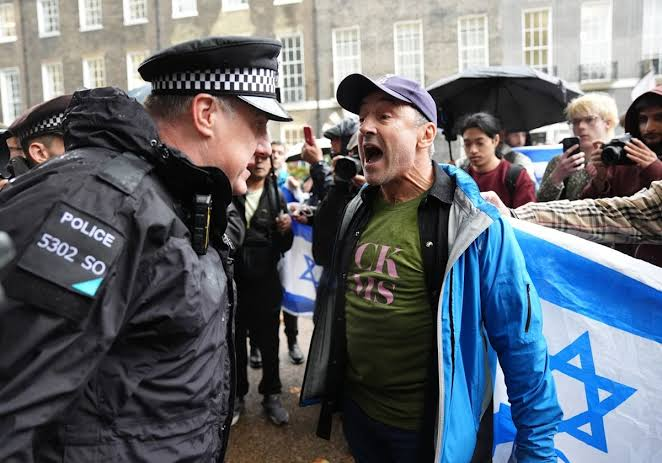
Police make arrests as tensions spill into central London
Demonstrations organised by student groups calling for support for Palestine proceeded through central London on Wednesday, the third anniversary of the October 7, 2023 attacks that triggered the wider Gaza war. Metropolitan Police officers intervened at several locations, and at least five people were arrested in the capital for alleged public order and hate related offences, police and news reports said.
Where events took place and how they unfolded
The main student march moved from the Strand, near King’s College London, towards Russell Square and the UCL area in Holborn. Smaller gatherings and spontaneous protests were reported elsewhere in the city, including outside the Board of Deputies of British Jews in Camden, where officers arrested demonstrators for alleged incitement to racial hatred during a protest that developed spontaneously from a planned route.
Organisers had told supporters the march would begin around midday. Police had earlier imposed a suite of strict conditions, including a ban on face coverings intended to conceal identity and warnings that hate chants and other criminal conduct would lead to arrest. Met Police officers were deployed along the route to keep demonstrators and counter protesters apart, and to protect synagogues and community centres marking the anniversary with vigils and memorial events.
Why the date mattered and the arguments on both sides
The choice of October 7 for the protests was especially sensitive. Jewish organisations and a number of political figures had urged student groups to reschedule, arguing that the date is a day of mourning for victims of the Hamas attack and the conflict that followed. Universities, community groups and political leaders warned that holding demonstrations on the anniversary risked inflaming tensions and making Jewish students feel unsafe on campus.
The student organisers, who campaigned under a University of London umbrella in media coverage, said they intended to exercise their right to peaceful protest and to draw attention to the humanitarian impact of Israel’s military campaign in Gaza. Supporters of the marches argued universities and public space remain important forums for political expression. Some counter protesters held Israeli flags and staged rival gatherings in and around Russell Square, producing heated verbal exchanges and isolated confrontations.
Police strategy and the constraints they faced
The Metropolitan Police had publicly asked organisers to move the date and warned it would impose conditions if the march went ahead. Officers said the force had limited legal grounds to prohibit a lawful protest while balancing the obligation to protect those who wished to attend memorials and go about their business on the anniversary.
Deputy Assistant Commissioner briefings in the days before the protests signalled that more than 600 officers would be committed to a range of public order duties across the capital this week, including policing a separate set of demonstrations expected on the weekend. The Met has highlighted the financial and operational strain such sustained deployment places on everyday policing work.
Impact on campuses and student life
Universities in London had been urged by the Met to engage proactively with student organisers and to take steps to ensure campus safety. University leaders and staff unions said they were concerned about campus polarisation and the cumulative effect of repeated demonstrations since October 2023, which they said had left some students feeling excluded or threatened.
University officials attempted to balance respect for free expression with safeguarding measures for vulnerable students. Some institutions sought to move events into supervised indoor venues or to promote alternative days for protests, but not all organisers accepted those proposals.
What this development means and what remains uncertain
The arrests on Wednesday signal that policing units were prepared to enforce conditions where they judged criminal behaviour occurred. The wider picture is one of a continuing cycle of protest and counter protest in the United Kingdom since October 2023, with repeated calls from community safety organisations for clearer protections for vulnerable groups and more effective ways to deescalate confrontations.
Key uncertainties include whether further arrests or more serious confrontations will occur later in the week as other planned demonstrations proceed, and how universities and local authorities will change their approaches to campus demonstrations. There is also an open question about the long term political and legal response, with politicians and civil society groups likely to press for changed policing guidance and university conduct policies.
Why this story matters
The events underline how international conflicts continue to reverberate inside the United Kingdom, affecting campus life, community cohesion and policing priorities. They also highlight the limits of existing tools for balancing the right to protest with the need to protect communities that observe anniversaries of trauma. How authorities, universities and community leaders respond to this week of demonstrations will affect trust in public institutions and the perceived safety of minority communities in the months ahead.
Reporting will continue as official statements are updated and further details of arrests and any prosecutions become available.