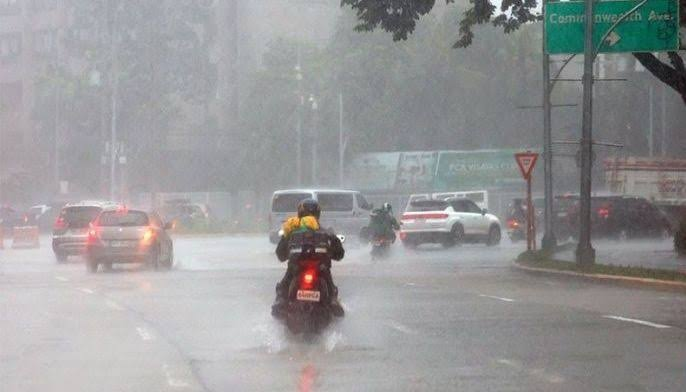
New rainfall threatens areas still reeling from recent floods
Thai authorities on October 6 warned of new heavy to very heavy rainfall across Bangkok and central provinces at a moment when recovery from a destructive flood wave is still under way. The Department of Disaster Prevention and Mitigation reported that millions of people remain affected, while the government has already authorised emergency funds to support relief and recovery.
Human cost and scale of the emergency
The latest consolidated figures show that at least 31 people have died in flooding across multiple provinces, with some of the fatalities recorded in the capital. Authorities say floodwaters and storm damage have affected more than 3.5 million people nationwide, disrupting homes, farms and transport links. Local officials emphasised that damage is concentrated in central regions and river basins that feed into the Chao Phraya, where rising water from upstream areas remains a serious concern.
Weather outlook and official warnings
The Thai Meteorological Department issued a forecast for October 5 and 6 that identified the north, central plain including Bangkok, and parts of the upper south as at risk of isolated very heavy downpours and thunderstorms. The government bulletin said residents in low lying and riverside districts should monitor conditions closely, prepare for sudden runoff and flash floods, and follow directions from local disaster response teams.
Government response and emergency financing
In response to the emergency, the cabinet has approved a multi billion baht emergency package to fund immediate relief and early recovery measures. Officials described a multiagency response that includes water management agencies adjusting dam releases, local administrations moving people from high risk sites, and national relief teams distributing food and medical supplies to hard hit districts.
Transport and economic impacts
Flooding has disrupted transport across several provinces. Authorities reported interruptions to road links and localised impacts on commercial hubs near waterways. The disruption has already affected logistics and industrial operations in some areas, adding strain to companies that rely on just in time supply chains. Officials warned that further heavy rain could widen impacts, complicating relief work and prolonging business interruptions.
Why the central plain is vulnerable
Thailand’s central plain is the country’s agricultural and economic heartland. Its low elevation, dense population and complex network of rivers make it especially vulnerable when heavy seasonal rainfall coincides with high reservoir levels upstream. Water released from dams to protect dam infrastructure can increase downstream flows, which raises the risk of flooding in settlements along the Chao Phraya and its tributaries.
What authorities and residents are being told to do
Officials have urged residents in exposed communities to move valuables and livestock to higher ground, to avoid driving through flooded roads, and to heed evacuation orders where they are issued. Emergency hotlines have been activated in affected provinces and local administrations are coordinating temporary shelters and medical support. The Meteorological Department said it will continue to update forecasts and issue advisories as conditions change.
Why this matters beyond immediate damage
Beyond the immediate humanitarian toll, renewed flooding at this stage complicates recovery planning and the delivery of international events and logistical operations scheduled for October. Emergency spending and relief operations will strain budgets at provincial and national levels in the short term, and prolonged agricultural damage could affect harvests and rural incomes. The government has signalled it will prioritise rapid repairs to infrastructure and support to affected households, while urging continued vigilance as the weather evolves.
Looking ahead
For now, meteorologists and disaster officials are urging continued preparedness. New rainfall in upstream catchments remains the principal risk factor for additional inundation of the central plain. Authorities will be watching reservoir releases, river gauges and tidal conditions that together determine whether floodwaters retreat or push further into populated areas. Residents in affected districts were told to keep listening to official channels for evacuation orders and relief updates.
As Thailand moves from emergency response toward recovery, the coming days will determine whether this episode becomes a short lived crisis or a longer term recovery challenge for communities across the central plain.