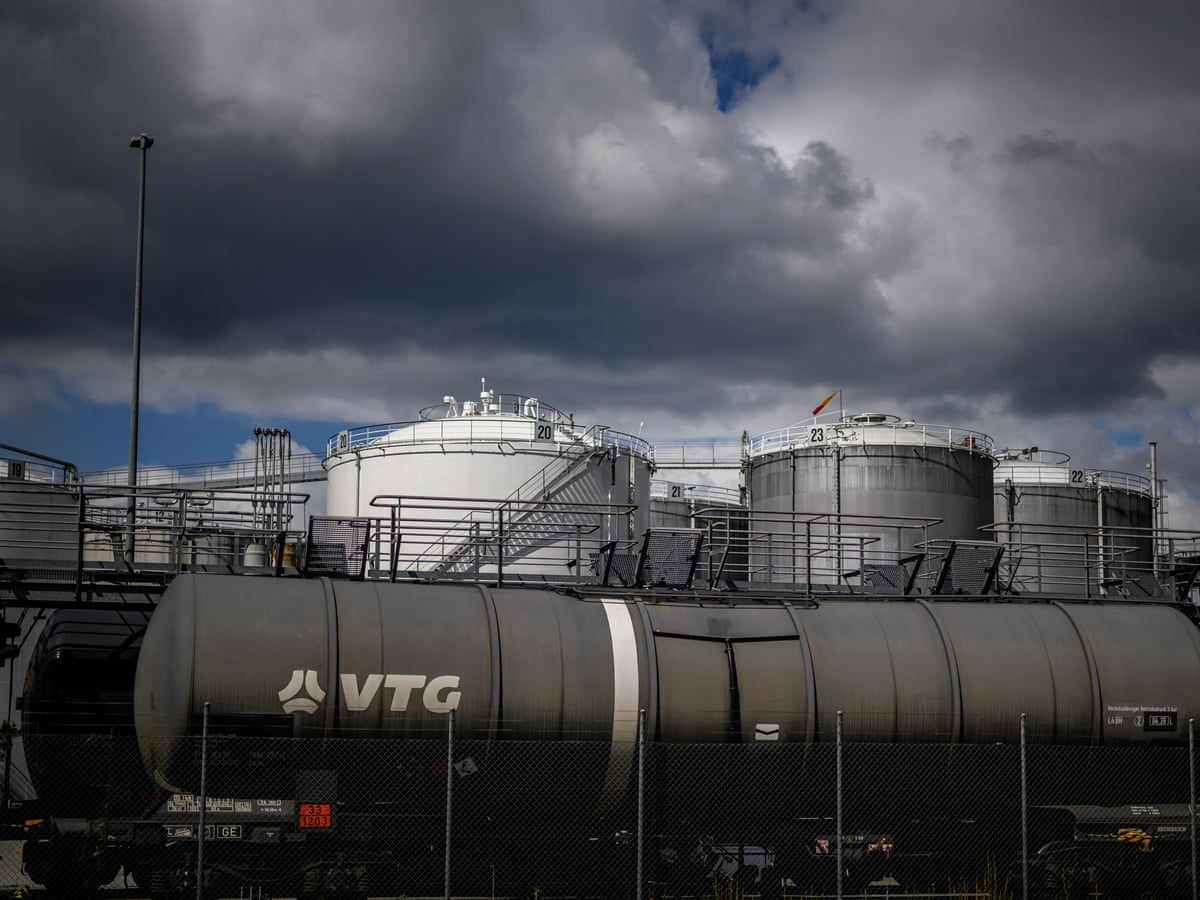
China suspends most fuel exports for October, squeezing global refined product markets
State refiners halted shipments beyond Hong Kong and Macau ahead of Golden Week, with PetroChina cancelling several October cargoes. Traders said the move has already pushed oil product prices higher and tightened supply in Asia and beyond.

BEIJING , Chinese refiners have halted most exports of refined fuel products for October, according to industry sources and market reports, a move designed to preserve domestic stocks ahead of the Golden Week holiday and to protect supply as global oil markets face ongoing disruptions. The suspension, which market participants said was communicated to major state and independent refiners this week, prohibits shipments of gasoline, diesel and jet fuel to destinations outside Hong Kong and Macau for the start of October. At least one large state refiner cancelled planned October cargoes, traders said, in response to the guidance. The interruption to Chinese product flows is significant because China is a major exporter of key refined fuels. Even a temporary pullback in shipments tightens an already fragile global market, where outages and voluntary export restrictions in other producing regions have left buyers competing for supply. Why China acted Sources close to refiners and trading desks said authorities took the step to rebuild domestic inventories ahead of the holiday period, when inland fuel demand often rises and logistical movements complicate supply management. With onshore stocks at lower levels than the government prefers, regulators prioritized local supply security over export revenues. Officials have previously managed product exports on a monthly basis during periods of pressure on global or domestic markets, and the current decision follows earlier ad hoc restrictions this year. Traders described the latest measure as precautionary and potentially reversible, with the final decision on permission to resume shipments likely to depend on post-holiday inventory checks and refining output. Immediate market reaction The market response was swift. Asian diesel and jet fuel prompt spreads tightened on the news, while benchmark crude futures rose on concerns about an extra squeeze on product availability. Traders said the removal of Chinese barrels from export pools increases competition for supplies from other exporters, pushing up regional prices and shipping demand for the remaining cargoes. Industry contacts reported that PetroChina, the state controlled oil major, cancelled several planned gasoline and jet fuel cargoes for October. Independent refiners also received guidance not to load shipments for most overseas destinations, traders said. No public government order confirming a blanket ban has been issued, and state agencies did not immediately comment on the reports. Broader context and implications The move comes against a backdrop of uneven refinery availability elsewhere and geopolitical pressure on flows of crude and products, which has amplified volatility in refined product markets. In recent months suppliers in some regions have constrained exports to protect domestic supplies or in response to disruptions to crude supply. Those shifts make Chinese product availability especially important to buyers in Southeast Asia and beyond. For China, prioritizing domestic fuel stocks reduces near term risk of shortages or price spikes within the domestic market. It is consistent with a policy objective to maintain social and economic stability during a major national holiday, when transport and consumer activity typically surge. For regional and global buyers, the suspension complicates procurement plans. Countries and commercial buyers that relied on Chinese cargoes will need to shift to alternate suppliers, likely at higher cost, and that reallocation may tighten markets further. Shipping and logistics costs could also rise as market participants scramble to rebook vessels and find available barrels. Potential duration and next steps Market participants emphasized the suspension could be temporary. Officials typically reassess stock levels and refining throughput after holidays, and permission to resume exports may be granted once authorities judge domestic inventories sufficient. The extent to which exports are resumed will depend on how quickly refiners can increase runs, seasonal demand patterns, and any further guidance from regulators. Analysts said the speed of any reversal will matter for price trajectories. A short, clearly communicated pause that is followed by a rapid resumption of shipments would limit disruption. A prolonged, opaque suspension would exacerbate supply tightness and could feed through to broader energy prices and inflation in fuel dependent markets. What investors and buyers should watch Buyers should monitor official statements from Chinese state energy regulators and the major refining groups, as well as weekly inventory and refinery run data, for signs of when exports might resume. Traders will also track prompt freight availability and the cargo nomination calendars of alternative suppliers. Policy watchers say the episode underscores a wider market risk: when large refining hubs prioritize domestic supply, global product markets can tighten quickly. That dynamic has been in focus this year as geopolitical events and regional export controls have reduced the pool of freely traded refined products. Conclusion By restricting fuel exports at the start of October, Chinese policymakers have prioritized domestic supply security around a major holiday period. The immediate effect is tighter product availability for Asia and international buyers and upward pressure on related prices. How long the suspension lasts will determine whether this development is a short lived market adjustment or a more consequential factor in the near term global energy balance.
Topics
LocationChina