
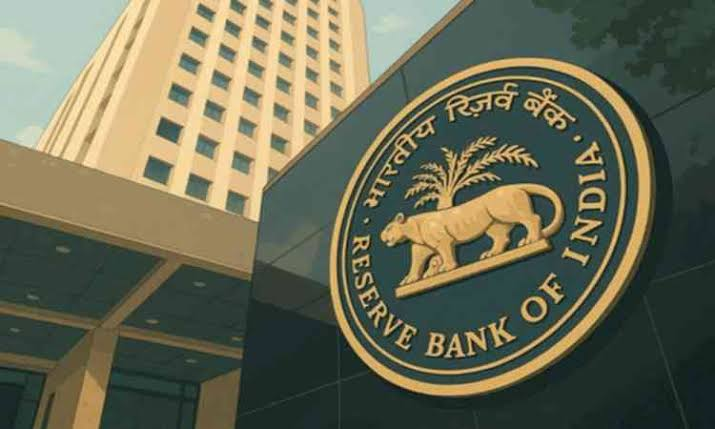
Policy shift expected as RBI meets this week
India's financial markets are entering a period of heightened focus on the Reserve Bank of India, as economists and strategists widely expect the central bank to begin raising its policy rate when the Monetary Policy Committee meets on October 5. The prospect of an initial 25 basis point increase has become the consensus call among several broker research teams and independent economists, reflecting mounting concerns about inflation and spillovers from global monetary tightening.
Why a hike is now being priced in
Analysts point to three main forces pushing the RBI toward tighter policy. First, core inflation in recent months has remained sticky, putting pressure on real rates. Second, international developments, notably higher policy rates in major economies and renewed volatility in commodity markets, are feeding imported price pressures and higher global bond yields. Third, several domestic forecasts no longer expect disinflation to proceed fast enough to justify an extended pause in policy.
Market reaction and immediate implications
Bond markets are already pricing in higher yields later this week, with government bond traders flagging a steepening bias in the yield curve if the RBI signals the start of a sustained tightening cycle. Higher policy rates would lift lending rates and borrowing costs for corporates, while rewarding savers with higher deposit and fixed income returns.
Equities face a more mixed outlook. Sectors sensitive to interest rates, such as real estate and capital goods, could see increased pressure on valuations, while financials may benefit from a steeper yield curve if banks can expand net interest margins. Market strategists say investor attention will shift to the RBI's forward guidance during and after the announcement to assess how many hikes may follow in fiscal year 2027.
The rupee is also likely to come under pressure in the near term if global dollar strength continues. Foreign portfolio flows will be a key variable, with sustained outflows amplifying exchange rate moves. FX market participants will watch RBI commentary on any intention to use foreign exchange reserves or other tools to smooth volatility.
What the RBI could say in its statement
Expectations center on calibrated language. The RBI is likely to acknowledge upside risks to inflation while stressing the need to preserve financial stability. Officials may emphasize that any tightening will be data dependent. Investors will parse projections for inflation and growth, and any changes to the policy rate path or policy framework will have immediate market consequences.
How households and businesses should prepare
Households with floating rate loans should prepare for higher EMI payments in the coming quarters. Businesses with large working capital needs or maturing liabilities may want to accelerate refinancing plans or lock in fixed rates. At the same time, savers can expect gradually more attractive rates on deposits and short term fixed income instruments.
Why this matters for the wider economy
India has benefited from falling policy rates and easier financial conditions since the end of the previous tightening episode. A reversal to higher rates signals that inflation concerns are outweighing the case for stimulus. While a modest tightening can anchor inflation expectations and protect real incomes, an overly aggressive pace could slow investment and consumption, dampening growth. Policymakers face the task of balancing these tradeoffs at a moment of heightened external uncertainty.
Outlook and what to watch next
Investors and analysts will watch three things closely in the coming days. First, the immediate action on the repo rate. Second, the RBI's updated macro projections for inflation and growth. Third, any hints from the central bank on how many additional hikes could follow if inflation persists. Together, those signals will determine whether markets merely adjust to a single policy move or recalibrate for a multi step tightening cycle.
For now, the consensus view among major market commentators is that the RBI will signal a policy shift starting at the October meeting, with implications across bond, equity and foreign exchange markets. The scale of that impact will depend on the central bank's language and its assessment of the inflation trajectory over the months ahead.