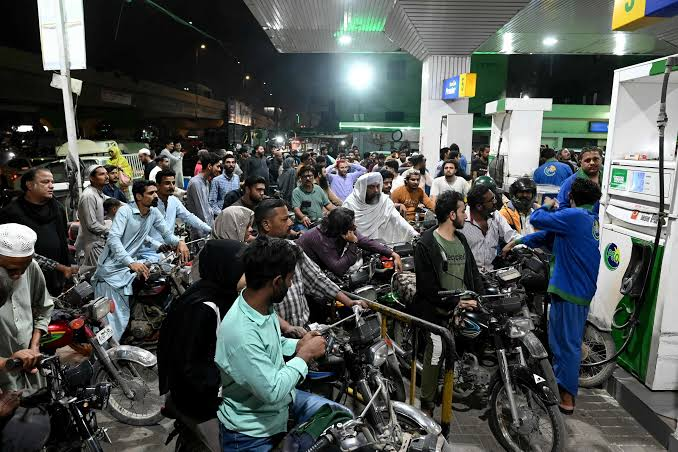
Islamabad has raised retail prices for petrol and high speed diesel for the short pricing window from October 3 through October 5, continuing a rapid cycle of adjustments that has kept households, transport operators and businesses on alert. Under a notification issued by the Petroleum Division and implemented through the Oil and Gas Regulatory Authority, petrol was increased by Rs2.10 a litre to Rs392.76 and HSD was raised by Rs0.30 a litre to Rs399.64.
What changed and why it matters
The latest move is part of the government’s shift to a daily fuel pricing mechanism adopted earlier this year, a policy response intended to pass through volatile international energy market movements more quickly to domestic prices. Authorities say the aim is to limit fiscal risk from open-ended subsidies while aligning domestic pump prices with international benchmarks, Platts indices and freight and premium charges.
But the frequent price revisions mean that transport costs, logistics charges and the price of essentials can change with little notice. Petrol and diesel are major cost items across the economy: petrol is widely used by private vehicles and two wheelers, while diesel powers heavy freight, buses, agricultural machinery and many backup power generators. Even modest adjustments therefore ripple into food, freight and manufacturing costs, feeding into headline inflation and business input costs.
Short window, big signals
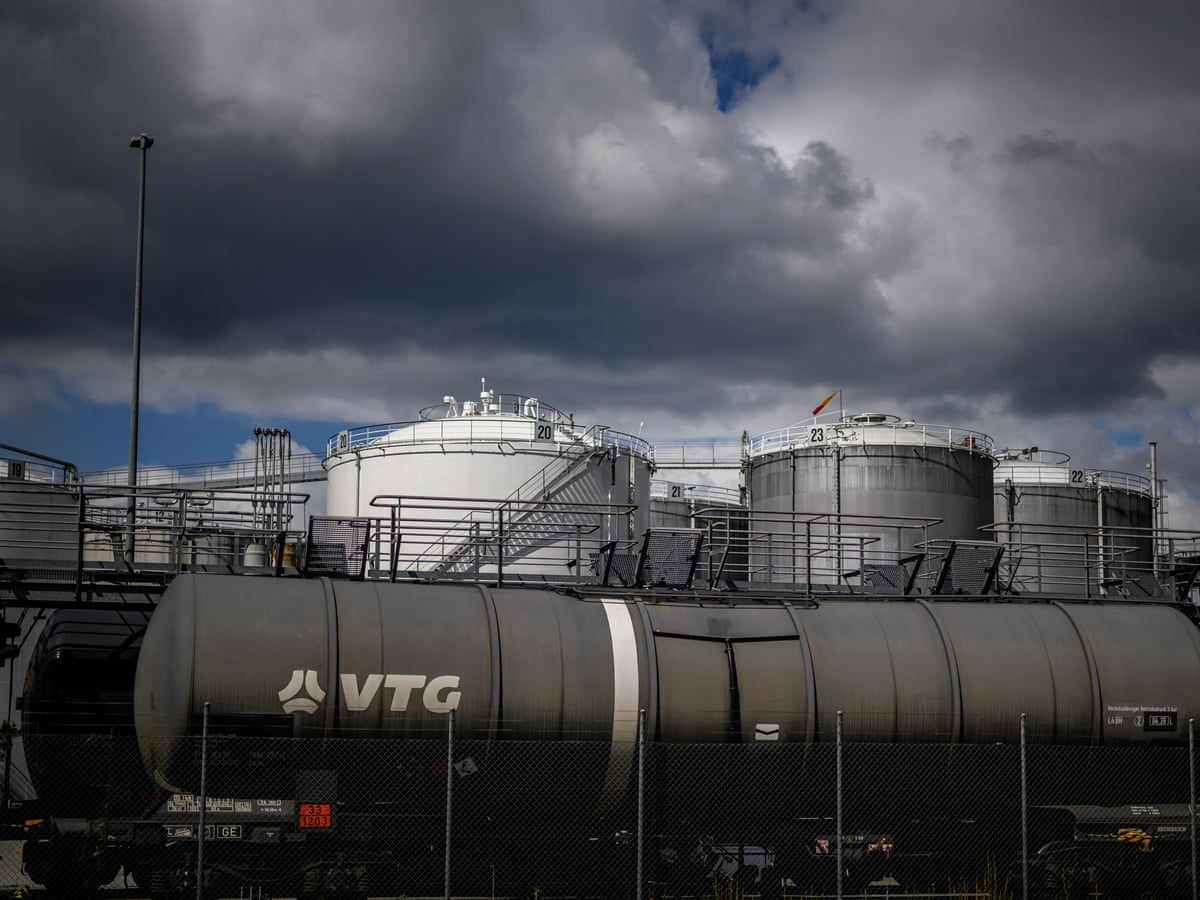
The government has fixed these rates for a narrow three day window, a pattern observed across several pricing cycles since global oil market turmoil intensified. Officials point to volatility in Brent crude and disruptions to supplies in the Gulf as drivers. For policymakers, the daily pricing regime is a trade-off: it reduces the government’s direct burden of fuel subsidies but exposes consumers and businesses to frequent price swings.
For households, the immediate effect is on the pocketbook for commuting and discretionary travel. For businesses, small and medium transport firms are especially vulnerable because fuel is a large share of operating costs and many contracts do not automatically adjust for day to day fuel movements. Agribusinesses that rely on diesel for irrigation and transport also face pressure ahead of seasonal planting and harvest activities.
Context: subsidy scheme and austerity measures
The petrol and diesel revision comes against the backdrop of other government measures designed to shield vulnerable consumers while containing the fiscal cost of energy imports. The administration has rolled out targeted relief schemes for scooters, motorcycles and small engine vehicles, requiring registrations and token redemptions aimed at subsidising a portion of fuel use for lower income commuters. Officials reported millions of registrations and token redemptions as the program entered subsequent phases.
At the same time, Islamabad has reintroduced temporary austerity measures to conserve fuel and reduce public sector consumption. Measures announced earlier this year included shortened market hours and cuts to official vehicle allocations. Authorities say these steps, together with the new pricing mechanism, are intended to stabilise the national fuel budget at a time of sustained external pressures and elevated import bills.
Business reaction and wider economic implications
Business groups and trade associations are watching the short pricing windows warily. Freight carriers and logistics companies caution that repeated price changes complicate contract pricing and cash flow forecasts. Some industry associations have urged faster clarity on import logistics for petroleum products, and better coordination between the Petroleum Division, OGRA and state oil companies to ensure supplies remain uninterrupted and to reduce premia paid in spot purchases.
Analysts warn that frequent pass through of global shocks to domestic fuel prices can complicate monetary policy. Central bankers weigh energy price volatility when setting policy because changes in administered fuel costs can transmit quickly to core inflation through transport and food price channels. For Pakistan, where inflation and the exchange rate have been sensitive to external shocks in recent years, the transmission mechanism from global oil markets to domestic prices is a policy risk to watch.
Energy supply and import pressures
Pakistan remains a net importer of refined petrol and a large importer of diesel and liquefied natural gas. Supply disruptions in the Middle East, and changes in cargo availability from major suppliers, have increased volatility in procurement costs. The government has been seeking spot cargoes and alternative suppliers to diversify risk, while also negotiating longer term arrangements to safeguard winter supplies for household heating, power generation and fertilizer production.
Officials say the country continues diplomatic and commercial engagement with key suppliers to secure timely shipments. For now, authorities are balancing securing supplies with protecting foreign exchange reserves and limiting public support for below market prices.
What to expect next
The October 3 to October 5 price window will expire on October 5 and the next pricing decision will reflect global market movements, exchange rate developments and any changes in freight or premium charges. Given the government’s move to daily adjustments, observers expect further short duration revisions in the coming weeks if global volatility persists.
For consumers and businesses, the useful planning step is to assume fuel costs will remain volatile and to build short term buffers into logistics contracts and household budgets. For policymakers, the longer term priorities are to improve hedging and procurement practices, deepen local refining capacity and accelerate energy diversification to reduce the economy’s sensitivity to international oil shocks.
In the near term, the October pricing revision is a reminder that global market turmoil translates rapidly to domestic costs in Pakistan, and that the trade offs of daily pricing will continue to shape both household finances and business planning.