Canada marks National Day for Truth and Reconciliation with nationwide broadcasts and community events
On September 30, 2026, broadcasters and cultural institutions across Canada are staging special programming and community gatherings to honour residential school survivors, remember the children who never returned home, and centre Indigenous storytelling and healing.
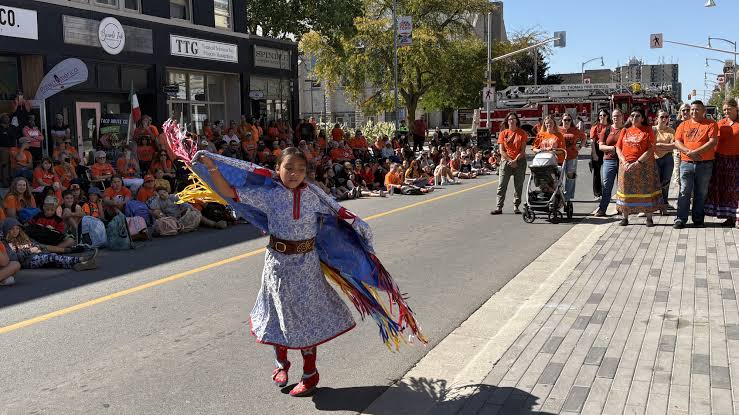
On September 30, Canadians across the country are observing the National Day for Truth and Reconciliation with a mix of live national broadcasts, locally organized gatherings, film screenings, and cultural ceremonies. Public and Indigenous broadcasters are coordinating multilingual coverage of a national commemorative gathering on Parliament Hill while municipalities, museums and community groups host hundreds of locally led events that foreground Indigenous voices, arts and healing practices. National live broadcast anchors the day A cornerstone of the day is the 90 minute national commemorative event Remembering the Children, produced in partnership between APTN, CBC/Radio Canada and the National Centre for Truth and Reconciliation. The gathering, broadcast live from Parliament Hill in Ottawa, begins at 12 p.m. Eastern Time and features residential school survivors, Elders, and Indigenous performers. Organizers say the program is multilingual, with ceremonies and segments presented in English, French, Plains Cree, Anishinaabemowin, Mohawk and Inuktitut, reflecting an effort to make the commemoration accessible to Indigenous communities across the country. APTN and partners are complementing the live ceremony with extended coverage. APTN News began live reporting from Ottawa ahead of the midday event, and will air a 30 minute post show with reflections and analysis when the ceremony concludes. CBC/Radio Canada is also offering national windows of programming and a special radio broadcast in primetime, alongside online resources and rebroadcasts to reach a wide audience. Local ceremonies, film programs and educational events Across provinces and territories, communities have organized sunrise ceremonies, honour walks, powwows, film screenings and educational workshops. The federal government’s public listings show hundreds of funded events taking place on September 30 and across the week, from intimate gatherings in smaller reservation communities to large public commemorations in urban centres. Cultural institutions and film venues are using the occasion to present Indigenous-created cinema and exhibitions. Galleries, museums and independent cinemas are staging curated blocks of work that centre Indigenous filmmakers and storytellers, pairing screenings with talkbacks and community panels. The programming push reflects a longer trend in Canada toward amplifying Indigenous creative voices and providing civic contexts for learning about the legacies of residential schools. Why the day matters for Canadian cultural life National Day for Truth and Reconciliation functions both as a day of remembrance and as a prompt for ongoing civic education. For many Indigenous communities the day is a time to carry out traditional ceremonies and to maintain the memory of children taken into the residential school system. For the broader public the day is increasingly structured around listening and learning, with mainstream broadcasters and cultural institutions creating entry points that foreground survivor testimony and Indigenous cultural expression. The multilingual nature of the national broadcast, and the breadth of local events, underlines how commemorative work in Canada now extends beyond single institutions to a network of media outlets, museums and community groups. That network is acting to ensure survivor voices, Indigenous performers and language holders are central to both the narrative and the logistics of the day. Broadcasters note this kind of programming is intended not simply to memorialize the past, but to support truth telling and to encourage public accountability for the historic harms documented by the Truth and Reconciliation Commission. A note on access and resources Organizers emphasize that the national ceremony and many locally listed events are being made available through multiple platforms to ensure access for people in remote and urban communities alike. The national broadcast is being carried on television and streamed online, and many of the regional events are free to attend or freely streamed. Several broadcasters and cultural bodies have also published supplementary learning resources and recommended viewing lists to help teachers and community groups plan follow up conversations. What to look for today Viewers who want to follow the national ceremony should look for the midday live broadcast from Parliament Hill, and expect supplementary panels and rebroadcasts later in the day. Locally, community calendars list sunrise ceremonies, Orange Shirt Day gatherings, film programmes and survivor-led panels. For those who cannot attend live, many broadcasts and curated film programmes will be available to stream for a later date. The National Day for Truth and Reconciliation is a solemn, countrywide moment of reflection. This year’s programming demonstrates how national broadcasters and cultural institutions are coordinating to center Indigenous voices, provide multilingual access and support local commemoration. The day is meant to be both an act of remembrance and a step in the difficult, ongoing work of reconciliation.
Topics
LocationParliament Hill