Bangladesh’s finance team won important diplomatic and financial reassurances from both the United States and China on the sidelines of the IMF and World Bank annual meetings in Bangkok, officials and delegation members said on October 14 and 15, 2026. The meetings came as Dhaka presses international lenders for large additional financing to manage mounting energy subsidy bills and external financing pressures.
What officials said happened
Bangladesh’s finance minister and senior officials held separate discussions with representatives of the US Treasury Department and with executives from China’s policy banks and lenders during the multilateral meetings in Bangkok, according to officials speaking to reporters and statements released by the Bangladeshi delegation.
From the United States, the delegation received offers of cooperation on areas such as debt management and technical assistance, ministry officials said. The conversations with Washington were framed as part of an effort to deepen bilateral economic ties and to align support for Bangladesh’s macroeconomic stabilisation work.
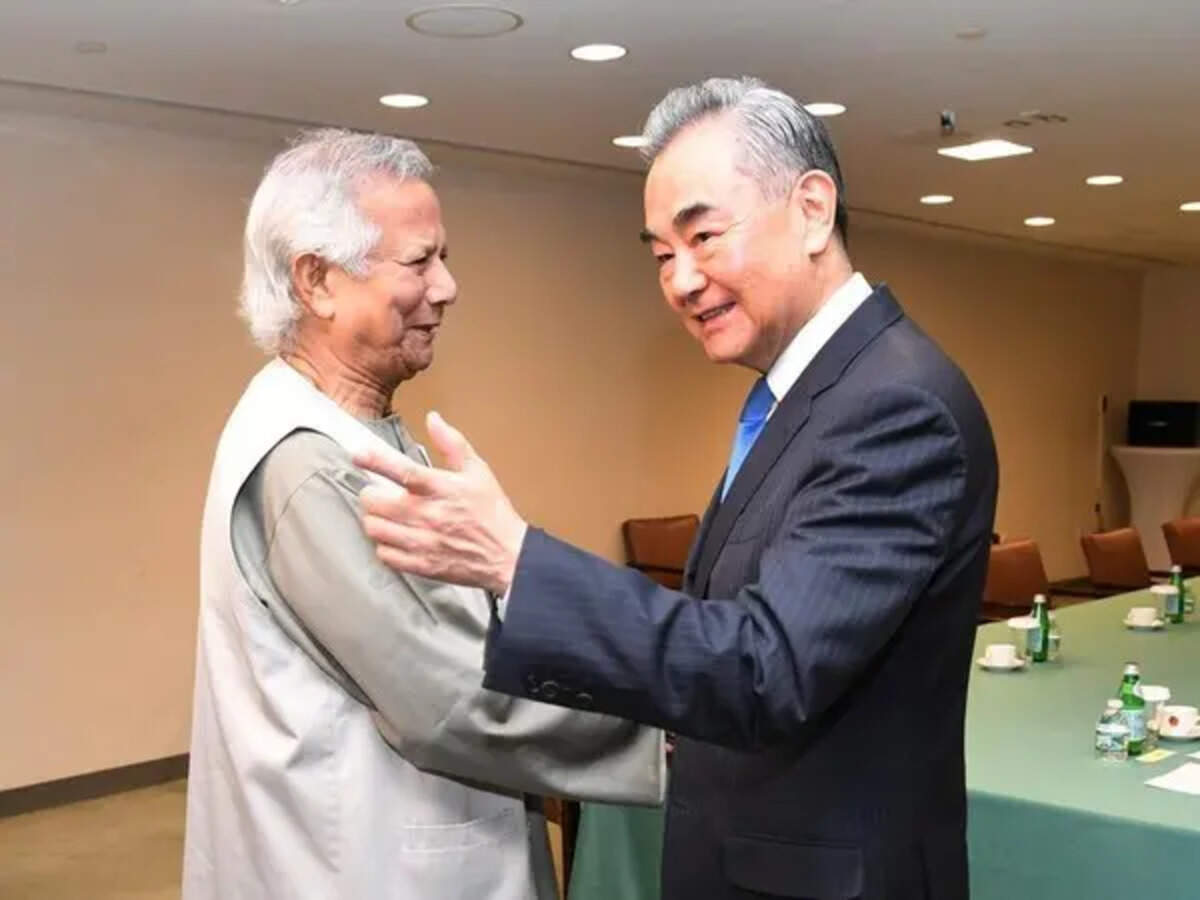
From China and its state lenders, including China Exim Bank, the delegation reported expressions of interest in ramping up investment and financing for energy and power projects. Delegation members said a senior China Exim Bank official indicated plans for closer engagement and signalled a possible official visit to Dhaka to follow up.
Why the meetings matter now
Dhaka is seeking to secure substantial external resources as it confronts rising import bills for fuel, gas and fertiliser that have strained foreign exchange reserves and widened the budget deficit. The finance ministry has been discussing a package of measures that could include larger World Bank support, new International Monetary Fund arrangements, and bilateral financing to cover immediate liquidity gaps and to support energy security.
Finance Minister Amir Khosru Mahmud Chowdhury has publicly said the government is negotiating with multilateral creditors for sizeable support. Bangladesh officials told reporters they are seeking more than routine project financing, including potential budget support and concessional loans to reduce the short term burden of energy subsidies while preserving room for growth-oriented spending.
What Bangladesh hopes to secure from each partner
From the World Bank, Dhaka seeks larger than normal assistance to be deployed over a multi year horizon. Officials have framed the request as targeted support to cushion households and businesses from steep energy price shocks while funding reforms to strengthen public finance management.
From Washington, Bangladesh is aiming to translate good offices and technical cooperation into favourable support within international financial institutions. The United States retains formal influence in IMF governance and in some multilateral financing channels, so US engagement could shape the scale and conditionality of future packages.
From China, Dhaka is seeking expanded loan and project finance for energy and power infrastructure, plus faster delivery on projects already underway. Beijing’s explicit interest in energy sector investments could help Bangladesh secure non IMF financing that carries fewer macroeconomic policy conditions, while still freeing scarce foreign exchange for other needs.
Potential friction points and trade offs
Securing financing from multiple sources can ease short term pressures, but it requires careful calibration. IMF programmes typically demand structural reforms, including revenue mobilisation and financial sector measures, that can be politically sensitive. Bilateral borrowing from a range of lenders can help limit conditionality, but greater reliance on commercial or policy bank loans increases longer term debt service obligations.
Analysts caution that an overly rapid accumulation of new sovereign liabilities could tighten future fiscal space if reforms do not boost revenues or if global interest rates rise. For Dhaka, the near term priority is to avoid interruptions to energy supplies and to stabilise the exchange rate, while sequencing reforms that preserve political space for growth.
Immediate next steps
Bangladesh officials said they expect follow up high level visits and technical missions. Delegation members reported that China Exim Bank indicated its chairman might travel to Dhaka in the near weeks to advance project planning. On the multilateral side, Bangladesh will continue negotiations with the World Bank and the IMF, aiming to convert initial assurances into concrete commitments within coming months.
Domestically, the finance ministry has also signalled steps to accelerate project delivery and tighten budget execution to improve lenders’ confidence and to meet conditions attached to potential budget support operations.
Why this matters for regional and global stakeholders
Bangladesh is a major readymade garments exporter and a fast growing economy in South Asia, but it remains vulnerable to external shocks. How Dhaka balances offers of assistance from the United States and China will be watched closely by investors and neighbour countries. Financial commitments that ease immediate pressures without compromising long term stability could protect jobs, supply chains and regional trade links. Conversely, poorly structured borrowing could exacerbate fiscal stress down the road.
For development and policy audiences, the Bangkok outreach underscores the growing geopolitical and financial attention on South Asia. Bangladesh’s ability to extract constructive support from multiple partners while implementing necessary domestic reforms will be a key determinant of its economic trajectory during the coming year.
Bangladesh officials said they will provide further details as negotiations with lenders progress and as follow up missions report back to Dhaka.