Accra event turns attention to materials, manufacturing and supply chains
Accra hosted the launch edition of the Alternative Fashion Fabric Fair, known as Alt.FFF, earlier this month, in a development reported again on September 30, 2026. The one day trade fair brought together designers, textile producers, manufacturers, cultural organisations and policy voices to shift the industry conversation away from finished garments and toward the raw materials, craft processes and local manufacturing capacity that underpin fashion across the continent.
What visitors saw and who attended
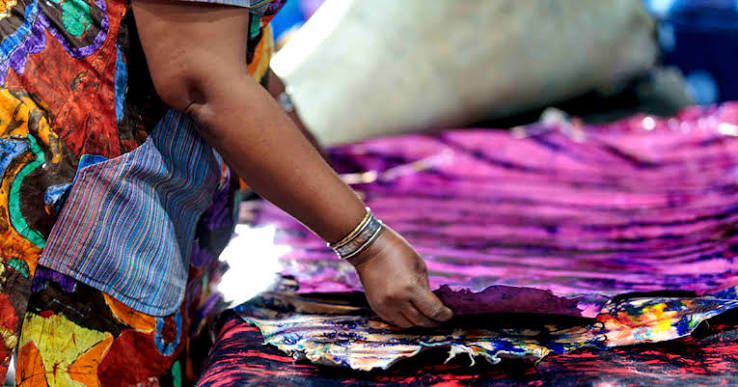
Held at The Palms Convention Centre in La Palm Royal Beach Hotel, Alt.FFF organised the show floor into purpose built zones: a Materials Zone for fibres and raw textiles, a Furniture Zone, a Green Artist Area, an Experience Hall, and live workshop spaces where attendees could watch looms and dye processes in action. A Moving Loom Dark Room and hands on demonstrations allowed designers and buyers to witness production techniques and material provenance directly.
The event programme featured keynote and panel contributors from across Ghana and the region. Media personality Apiorkor Seyiram Ashong hosted the launch, while trade strategist Osafohene Dr. Afua Asabea Asare delivered a keynote underlining the connections between manufacturing capacity and export potential. Representatives from Black Star Experience and major manufacturers highlighted the importance of cross border partnerships, and organisers included Makeba Boateng, founder of Fashion Forum Africa and lead curator of Alt.FFF.
Why the fair matters for Ghana and the AfCFTA era
Alt.FFF comes at a moment when the African Continental Free Trade Area has created new openings for intra continental commerce, yet many textile producers and material suppliers remain peripheral to the regional supply chain. By focusing attention and transactions on materials and makers, the fair aims to accelerate linkages between raw material producers, manufacturers and designers who can add value and scale production for regional markets.
For Ghana, the fair is a strategic opportunity. The country has long been noted for textile traditions and design innovation, but local producers often lack visibility and direct access to buyers and partners across Africa and beyond. Alt.FFF positions Accra as a convening place where manufacturers can present capabilities, designers can source locally, and trade conversations can move from rhetoric to commercial agreements.
Practical outcomes and sectoral conversations
Panels and sessions at the launch set out practical priorities: increasing traceability and provenance information for materials, improving intellectual property protections for designers and artisans, and creating procurement pathways that link small scale producers to larger manufacturers and regional buyers. Industry leaders also discussed sustainable sourcing, natural dyeing techniques and the economics of shifting value creation upstream in the supply chain.
Speakers urged stakeholders to treat materials and manufacturing as distinct, investable components of the creative economy. They argued that when designers and brands pay more attention to where fibres come from and how they are processed, they can reduce dependency on imported inputs, raise production quality and capture a larger share of the final retail value in Africa.
How this changes the narrative
By placing materials at the centre, Alt.FFF challenges how fashion success is measured. Instead of celebrating only runway spectacle and finished collections, the fair elevated the stories of artisan communities, yarn producers, textile engineers and factory managers whose work determines whether a regional industry can be competitive.
Curators and attendees described the event as both a marketplace and a policy forum. The fair created space for commercial meetings and for conversations about standards, certification and policy incentives that could help scale manufacturing capacity across West Africa and beyond.
Outlook and next steps
Organisers signalled that Alt.FFF is planned as a recurring platform, with organisers already exploring ways to expand exhibitor participation and buyer engagement for future editions. A panel titled The Future Session looked at Alt.FFF 2027 and the potential to deepen connections with other African manufacturing hubs, to develop matched procurement pipelines and to integrate more robust sustainability metrics into fair programming.
For Ghana, the fair is evidence of a maturing creative economy that recognises manufacturing and raw materials as strategic national assets. If repeated and scaled, Alt.FFF could help create more jobs, move higher value activity into Ghanaian factories, and increase the share of export receipts captured by African businesses.
Why readers should care
Beyond fashion, Alt.FFF illustrates a method of economic development built on local resources and skills. For consumers it means more opportunities to buy garments with clearer provenance. For designers it means easier access to local input suppliers and shorter lead times. For policy makers it provides a live testing ground for policies that link cultural promotion with industrial strategy.
Alt.FFF therefore matters because it shows a practical path to turning cultural creativity into tradeable, scalable economic activity without bypassing the people and places that produce the raw materials. That is a message with implications for how creative economies across Africa plan growth in the AfCFTA era, and a reason why Accra is increasingly seen as a strategic node in the continent’s fashion map.