How a phone call became a sting operation; Courage, calm, and careful recording
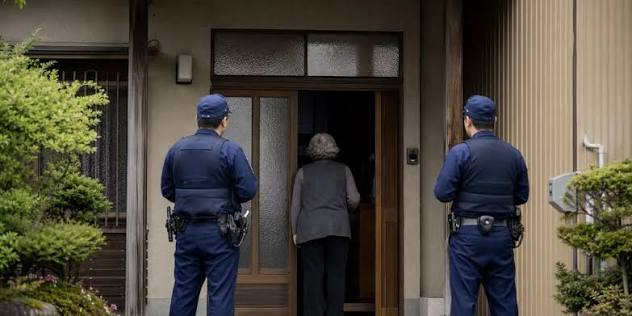
On October 26, 2026, police in western Japan arrested a 47-year-old man after a 93-year-old woman in Shiga Prefecture outwitted a caller who claimed to be a police officer. The woman did not hand over cash, instead she played along, recorded the repeated calls, and coordinated with local police, culminating in an arrest at her home, authorities said.
What the police say; A familiar pattern with a rare twist
According to a police official quoted in wire reporting, the caller used the common special fraud technique known in Japan as a fake police scam, warning the woman that unauthorized withdrawals had been made from her bank account. The caller pressured her to cooperate, insisting she should not tell family or friends. Instead of complying, the woman acted as if she believed the story, kept the caller on the line, and alerted police.
Recording and patience turned the tide; The arrest
Police said the woman recorded the telephone exchange, and officers used that evidence to locate and arrest a 47-year-old man. The suspect was taken into custody at the woman’s residence on suspicion of attempted fraud. Investigators did not immediately give details about whether the suspect was linked to a larger ring, or whether funds were requested to be transferred or handed over in person.
Why this case matters; Scams that prey on trust
Japan has been battling an array of telephone and online frauds that disproportionately target elderly people, including schemes where callers impersonate government officials, bank staff, or police officers. In many cases, victims are tricked into handing over cash, buying gift cards, or sending cryptocurrency. The Shiga case stands out because the suspected victim used knowledge of these fraud patterns to turn herself into an active part of a police operation.
Authorities, experts, and community response; Lessons learned
Police and consumer protection groups say vigilance, verifying callers, and reporting suspicious contact to authorities remain crucial. The National Police Agency and local prefectural police regularly urge people to hang up and call back the official number of the institution the caller claims to represent, rather than using numbers given by the caller. In the past year, Japan has also seen instances where video calls included AI-manipulated faces to impersonate officials, adding a new challenge for investigators.
Practical advice for seniors and families; Steps to take
Experts recommend simple steps: never provide bank or identity information over the phone, refuse to transfer money or buy prepaid codes to “help” an official, and consult a trusted family member or bank staff before taking action. Recording suspicious calls, when legal in a given jurisdiction, can help police build a case. Banks and police in Japan have also enhanced training and cooperation with financial institutions to spot odd transactions early.
Final note; One victory, many battles ahead
The arrest on October 26, 2026, offers a narrow but important victory against fraudsters who target the elderly. While this incident shows an individual can outsmart a scammer, authorities caution that many frauds succeed because scammers craft urgent, emotional stories that momentarily overwhelm good judgment. The police said investigations continue to determine whether the suspect has ties to other cases.
Source reporting for this article was based on a wire dispatch from AFP, republished by major outlets on October 26, 2026. Additional context on scam trends and prevention was drawn from recent public safety advisories in Japan.