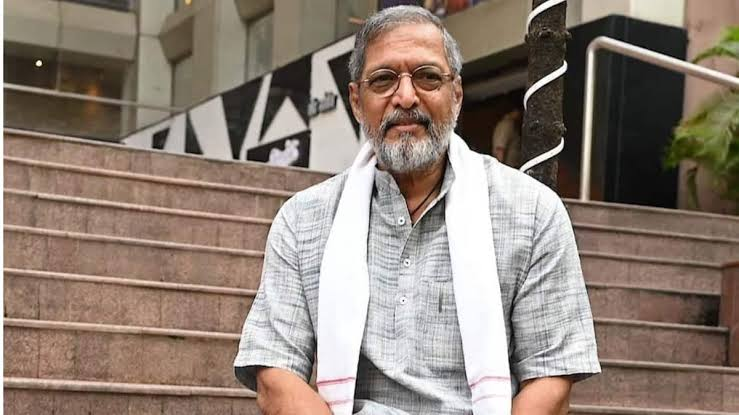
Veteran actor Nana Patekar died on the morning of October 8, 2026, after suffering a severe cardiac arrest at his home in Dona Paula, Goa. He was 75. Hospital staff and family members attempted resuscitation at Manipal Hospital Goa, but doctors declared him dead on arrival, according to hospital sources and statements provided to news agencies.
How the events unfolded
According to medical details reported by attending clinicians and corroborated by media reporting, Patekar was found unconscious at his residence in the early hours of Thursday and was rushed to Manipal Hospital. Medical teams performed cardiopulmonary resuscitation and advanced life support for roughly 45 minutes, but the actor remained in asystole and could not be revived. Officials recorded the death as a result of cardiac arrest.
Because the death occurred outside the hospital, local authorities registered a medico legal case and a postmortem examination was scheduled in line with standard procedures in such circumstances. Family members and representatives were reported to be at the hospital and the residence as police completed initial formalities.
Career and public life
Nana Patekar rose to prominence for his intense screen presence, distinctive baritone, and willingness to take on morally complex roles across Hindi and Marathi cinema. His career spanned more than four decades, with performances that ranged from small town realism to mainstream commercial films.
Patekar earned critical acclaim for roles in films such as Parinda, for which he gained national recognition, and in works that showcased his range including Agni Sakshi, Krantiveer, Ab Tak Chhappan, and Welcome. He received multiple awards across his career, including National Film Awards and Filmfare Awards, and he continued to act in substantive projects into the 2020s. His final major theatrical role was in a 2026 crime drama where he played a senior law enforcement figure.
Industry reaction and immediate impact
News of Patekar’s death spread quickly through Mumbai and across the film community. Leading actors, directors and technicians expressed shock and grief. Several scheduled industry events were postponed as a mark of respect. Colleagues highlighted his mentorship of younger actors and his reputation for demanding authenticity in performance.
Public tributes arrived from peers who recalled both his artistry and his offscreen commitments. Commentators noted that Patekar was as influential for his acting style as for his blunt, uncompromising public persona, which at times generated controversy but also set him apart in a crowded field.
Why this matters
Patekar’s death marks the loss of one of the most singular performers in post liberalisation Indian cinema. He represented a strand of craft that combined theatre grounded realism, a voice and delivery that became widely imitated, and a readiness to anchor stories across both mainstream and regional fields. For the industry, his passing removes a veteran presence who could still shape projects with relatively small but pivotal roles.
For audiences, Patekar was associated with several performances that remain benchmarks for intensity and moral complexity in Indian films. His work influenced a generation of actors and directors who sought to fuse realism with commercial appeal.
Practical details and what to expect next
At the time of reporting, a postmortem had been scheduled and further funeral arrangements were expected to be coordinated with the family once required formalities concluded. Public memorials and tributes are likely to be announced by family and industry bodies. Official statements from film associations or the actor’s representatives are expected to follow as families and colleagues make decisions about commemorations.
Context and legacy
Patekar began his career in theatre and Marathi cinema before becoming a recognizable face in Hindi films. His portrayals often foregrounded working class or morally fraught characters. Beyond acting, he was known for involvement in social causes, including initiatives aimed at drought relief and rural welfare, which drew public attention in certain periods.
As tributes accumulate, retrospectives and reassessments of his most influential roles will likely appear in the coming days. Film scholars and critics will use that coverage to place his contributions within the broader sweep of Indian cinema from the 1980s to the 2020s.
For audiences and professionals seeking immediate confirmation and more detailed reporting, major Indian news organisations and the hospital involved have published contemporaneous statements. Further primary information about the timing of the postmortem, the family announcements, and funeral arrangements will be published by authorities and the actor’s representatives when they are formally released.
Nana Patekar’s death leaves an imprint on Indian screen culture that will be reflected in obituaries, film festivals, and the work of artists he influenced. His status as a distinctive performer will ensure he remains a reference point in discussions about acting craft in India for years to come.