Vancouver police report more than 1,200 tickets and warnings after monthlong e-scooter blitz
Vancouver police say a targeted safety campaign through September produced more than 1,200 contacts with e-scooter riders, the majority for helmet and sidewalk violations, as the city presses to curb risky riding amid rising complaints and collisions.
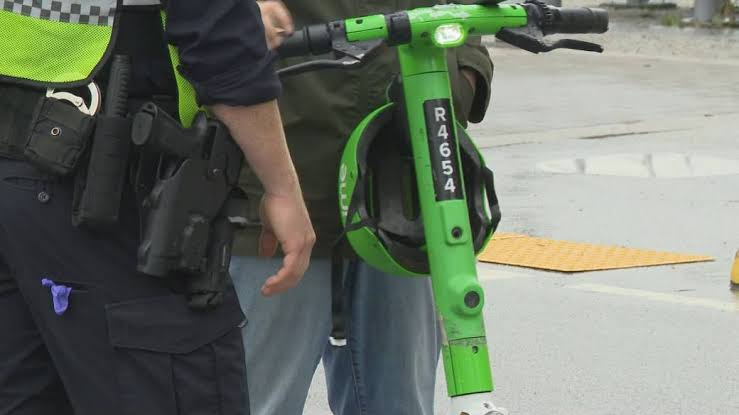
Vancouver police say a concentrated enforcement campaign aimed at unsafe electric scooter riding produced more than 1,200 stops across September, with most interactions resulting in warnings and a substantial number resulting in tickets. The Vancouver Police Department said the monthlong effort targeted helmet use, sidewalk riding and other violations that have prompted growing concern from residents and city officials. The VPD released summary figures after the effort, reporting more than 1,275 tickets and warnings issued. Police said the majority of citations were for riders not wearing helmets, a persistent problem that officers contend increases the severity of injuries when collisions occur. The force characterized the operation as a combination of targeted enforcement, public education and partnerships with road safety stakeholders. Why police say the blitz was necessary Vancouver has seen a steady expansion of personally owned and rental light electric personal vehicles, as commuters and visitors turn to e-scooters for short trips. City rules and provincial regulations set out where scooters may be ridden, and they require riders to follow basic safety measures. But the VPD says compliance has lagged, with frequent reports of scooters being used on sidewalks, at high speeds in busy areas, and by people without helmets. Officers have also encountered e-scooter riders operating vehicles that exceed legal speed or power limits set by the provincial pilot project. Police stress that enforcement aims both to reduce dangerous behaviour and to send a deterrent message as colder weather and heavier pedestrian traffic approach. What the enforcement looked like The VPD described the activity as an operational campaign conducted by traffic units and patrols across high-use routes and neighbourhoods. Officers carried out stops to check for helmet use, age and equipment infractions, and where appropriate issued ticket fines under the Electric Kick Scooter Pilot Project Regulation and related municipal rules. Many others received formal warnings and safety information. In announcing the results, police noted the campaign is ongoing and will be repeated at intervals. The department said officers use every contact as an educational opportunity, offering advice on safe riding, proper helmet fit and where scooters can be legally ridden. The VPD also flagged instances in which officers discovered other offences during stops, and said those matters were handled separately. Reaction from city officials and advocates City transportation officials and road safety advocates welcomed stronger enforcement but urged a balanced approach that couples tickets with better infrastructure and education. Advocates point out that many collisions occur where bike lanes end or where riders are forced into mixed traffic, and they pressed for clearer lanes and better signage for micromobility users. Some community groups expressed concerns that enforcement alone will disproportionately affect younger riders and people who rely on scooters for lowcost trips. They urged expanded public outreach, subsidized helmet programs and improved data sharing so the city can target dangerous corridors with physical safety improvements. Safety data and the larger context Police cited helmet noncompliance as the most common single reason for tickets. Research from road safety organizations shows head injuries account for a significant share of emergency visits tied to scooter crashes, and helmet use is among the strongest predictors of reduced severity. Vancouver is not alone: cities across Canada and around the world are grappling with how to regulate and integrate e-scooters into existing traffic systems. Common issues include inconsistent provincial and municipal rules, the rapid adoption of higherperformance devices, and the enforcement burden borne by local police. What comes next The VPD said it will continue the enforcement effort in phases, with periodic blitzes and coordination with the city and provincial road safety programs. Officials asked residents to report reckless riding through established channels and said the department will evaluate whether further measures, including targeted infrastructure or bylaw changes, are needed. Councillors and transportation planners will likely use the VPD data as they weigh longerterm policy responses. That could include expanded lowspeed lanes, clearer regulatory signage, helmet distribution programs and outreach campaigns focused on highuse neighbourhoods. For now, police say the campaign is intended to remind riders that e-scooters are subject to safety rules like other vehicles and to reduce avoidable injuries as the city moves into a busier season for pedestrians and cyclists.
Topics
LocationVancouver