Istanbul prosecutors have taken a new step in a wide ranging probe into an international investment fraud network based in Turkey, moving from arrest operations earlier this year to an intensifying asset recovery phase. Courts and enforcement agencies have begun issuing repayment notices and seizing assets linked by investigators to schemes that prosecutors say used call centres and fake investment platforms to defraud victims overseas.
From raids to recovery
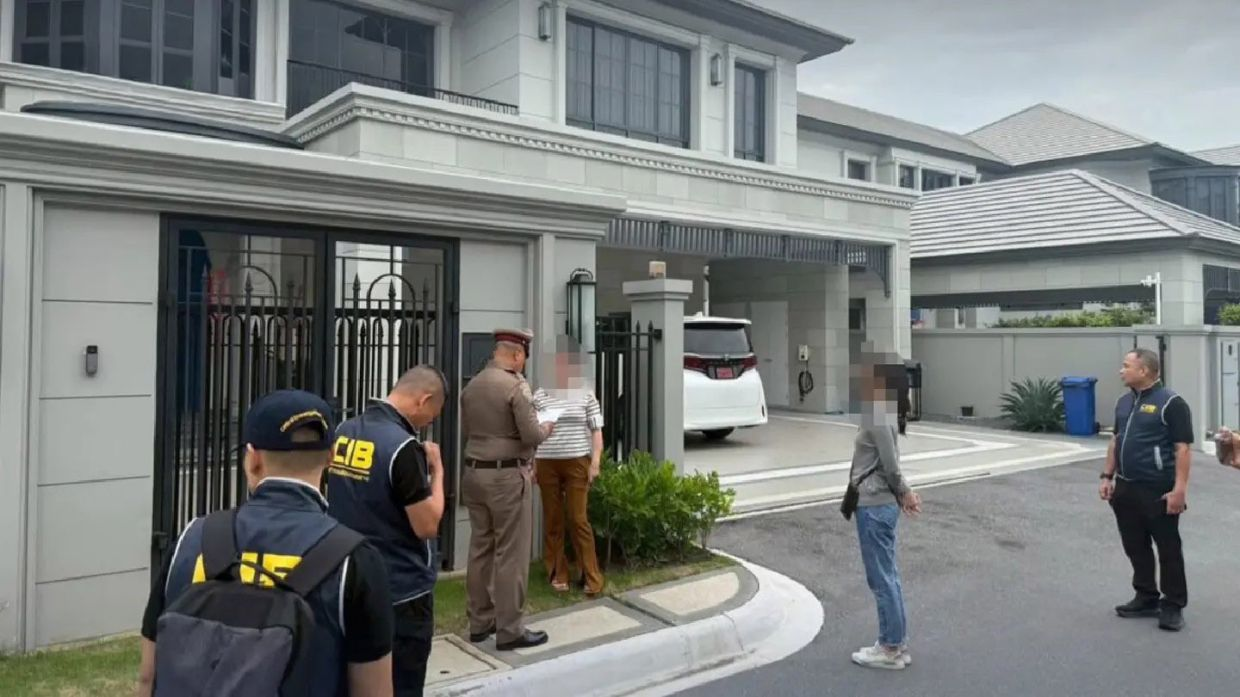
The Istanbul Chief Public Prosecutor's Office, which led coordinated investigations this year into multiple groups operating out of Istanbul and the Aegean coast, has sent formal demands to dozens of individuals and companies to return proceeds that prosecutors say were obtained through fraudulent Forex and cryptocurrency investment operations. Prosecutors say recent court orders have allowed preemptive seizure of vehicles, real estate and bank accounts identified as having been bought with criminal proceeds.
The shift follows months of investigative work involving the Financial Crimes Investigation Board, Turkish intelligence, police cybercrime units and international partners. Investigators say the networks recruited victims through social media, telephone calls and multilingual call centres, showing fabricated account balances and pressuring victims to add more funds. When victims sought withdrawals, they were told to pay additional fees or taxes, prosecutors say.
Scale and scope of alleged fraud
Authorities have described the operations as transnational, with victims in Europe, the Far East and Africa. Investigators have linked hundreds of millions of Turkish lira in transactions to the networks under scrutiny, and say the criminal activity involved both fiat transfers and cryptocurrency wallets routed abroad. Prosecutors and the interior ministry have also reported freezing or seizing assets including dozens of luxury vehicles and several properties in connection with the probe.
While earlier phases of the investigation focused on sweeping arrest operations at call centre offices and related business addresses, the current phase targets the financial infrastructure alleged to have supported the scams. Public notices produced in court files indicate that repayment or disgorgement orders are being prepared for people and entities judged to have received unjust gains, and that the Savings Deposit Insurance Fund and other state bodies may be asked to oversee recovered assets.
Legal and political context
The Istanbul office has opened multiple related criminal cases during 2026, including inquiries specifically held by the bureau that prosecutes money laundering and terrorist financing. Prosecutors have coordinated with Interpol and with foreign counterparts to trace funds and to identify the ultimate beneficiaries of suspect companies. The investigations have also included examinations of corporate ownership records, bank transfers and cryptocurrency flows using forensic accounting and digital evidence seized during raids.
Officials say the evidence gathered so far shows a pattern where companies presented themselves as legitimate trading or investment firms while controlling the trading platforms victims were directed to. That structure allowed the operators to manipulate displayed account balances and to block withdrawals unless victims paid additional, fraudulent fees, according to court summaries of investigators' findings.
What this means for victims and investors
For victims, the recovery phase could offer the first practical path to partial restitution, although prosecutors and legal experts caution that seized assets often cover only a fraction of total alleged losses and that complex cross border tracing is time consuming. Prosecutors have encouraged victims to register claims with the investigating office and to provide detailed records of transactions, communications and platform screenshots, which can be crucial to proving loss and linking funds to suspect accounts.
Financial regulators and anti fraud groups urge investors to verify the registration and authorisation of trading firms and to be wary of platforms that prevent independent withdrawal of funds, insist on secretive or opaque payment channels, or rely on pressure sales through unsolicited calls and social media solicitations.
Next steps in the inquiry
Prosecutors say they will continue to pursue court authorised asset freezes and to file for seizure and forfeiture where evidence supports it. The office has also signalled coordination with enforcement agencies in other countries where recovered funds or linked accounts have been located. Parallel criminal proceedings remain active against a set of suspects already detained in Istanbul and other provinces, and further indictments are expected as forensic accounting and communications analysis continue.
The move from mass arrests to financial remedies underscores how investigators are trying to follow money flows that cross borders and financial systems, and to convert investigative success into concrete restitutions for victims. For many affected individuals, the work to repatriate assets and to hold organisers to account will be measured in months rather than weeks, but prosecutors emphasise that recovery orders and seizures are now a central part of their strategy.