Bangkok police on Saturday carried out a large scale operation targeting what investigators describe as a foreign nominee property network, searching 17 sites in four high end residential developments and identifying 94 houses and parcels of land worth more than 6 billion baht as subject to further legal action.
What police did and what they found
The operation, led by Royal Thai Police Commissioner General Pol Gen Samran Nualma, concentrated on developments in the Bang Na, Suan Luang, Rama IX-Srinakarin and Krungthep Kreetha areas. Authorities executed search warrants across 17 addresses, identified 95 companies linked to those properties, and reported that about 33 rai of land were held through arrangements that investigators say involved Thai nominees acting on behalf of foreign buyers.
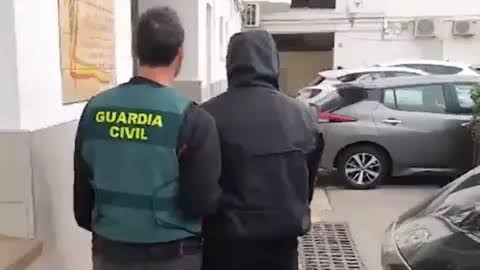
Police said they issued 86 arrest warrants for foreign nationals and detained 11 people during the action. Among those taken into custody were 10 Chinese nationals and one United States national. Investigators told reporters that several of the foreigners were wanted by Chinese or Thai authorities for alleged crimes, and that the Anti Money Laundering Office had joined the probe because of the size and suspected origin of the funds involved.
Allegations, suspects and links to scam networks
Authorities described the raids as the eighth phase of a wider campaign to dismantle nominee structures used to conceal the true owners of land that foreigners are restricted from owning outright under Thai law. Police allege the nominee model involved companies with 51 percent Thai shareholding and 49 percent foreign ownership, arrangements that in some cases, investigators say, were created using personal documents obtained through deceptive means.
Investigators singled out several suspects they say have links to online gambling operations and transnational scam groups operating in nearby border zones. Police described at least one detainee as wanted in China over a 2018 triple murder that Chinese authorities have linked to an online gambling dispute, and they said other suspects were the subject of fraud or other criminal warrants.
How nominees are alleged to have been recruited
During questioning, Thai nationals who were listed as company shareholders told investigators they had applied for online loans and provided identity documents, only to discover later that their names had been used to register companies without their full understanding. Police said investigators uncovered eight law firms or intermediary firms that appear to have helped set up the companies used to hold the properties, and those firms are now under scrutiny for possible legal liability.
Authorities also reported cases in which properties had been purchased for cash and then left vacant, or rented out with high monthly receipts but without rent collection for months. That, police said, raised red flags about whether the properties were legitimate investments or simply asset repositories for criminal networks.
Why the crackdown matters
Thailand prohibits foreigners from holding land directly, meaning schemes that use Thai nominees to shield beneficial ownership can facilitate money laundering, evade sanctions, or provide safe havens for proceeds of transnational fraud and other crimes. By focusing on luxury developments and cash purchases, police are targeting structures that, they say, have been exploited by organised networks seeking to hide assets and launder funds across borders.
The involvement of the Anti Money Laundering Office signals that investigators will trace financial flows, examine corporate registrations and probe the roles of property agents and lawyers who may have facilitated these arrangements. Prosecutors could pursue charges ranging from facilitating unlawful landholding and money laundering to participation in organised crime, depending on what evidence emerges.
Wider context and regional cooperation
The operation continues a sequence of similar crackdowns this year, in which Thai authorities have sequentially targeted nominee companies, sham corporate registrations and call centre style scam operations. Police officials have repeatedly said that many transnational scam networks operate in an interconnected geography that includes Myanmar and Cambodia, and that cooperation with foreign law enforcement is essential to dismantle the full chain from scam operations to asset concealment.
Officials also emphasised that the actions are not intended to deter legitimate foreign investment. Police said they are concentrating on arrangements that appear to have been created to evade legal restrictions and to hide suspicious sources of funds.
What victims and the public should know
Investigators warned members of the public to be vigilant about sharing personal identification documents when applying for online loans or other services, and to check property titles and company registries when entering substantial transactions. Authorities said they will investigate whether people whose names appear as shareholders were unwittingly used as nominees, and they promised that those who can show they were victims of document misuse will receive fair treatment.
The police operation is ongoing. Authorities said they will expand inquiries to other developments and continue coordinating with the Anti Money Laundering Office and foreign counterparts as the financial and ownership trails are examined.
For readers, the case highlights how complex corporate and property structures can be used to hide the real owners of high value assets, and how those structures can be linked to wider criminal activity that crosses national borders.