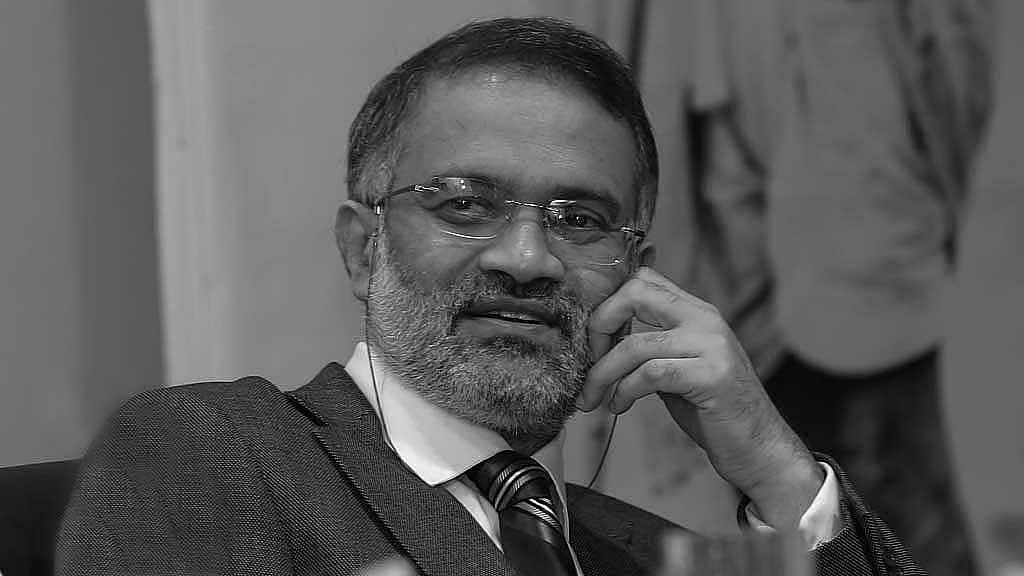
Toufique Imrose Khalidi, the journalist credited with building one of Bangladesh’s first major online news platforms and shaping the country’s transition to digital media, has died in London at the age of 59. Khalidi was taken to a hospital after suffering a brain haemorrhage and was pronounced dead on Friday, family and colleagues said.
From newsroom reporter to digital pioneer
Khalidi’s career spanned decades and several major news organisations. He is best known as the founding editor in chief of bdnews24.com, the independent online news portal that he helped grow into a leading national outlet. Colleagues say he combined an insistence on attribution and verification with an early embrace of digital publishing that set professional standards for a generation of Bangladeshi journalists.
Longtime associates recall Khalidi as a newsroom manager who insisted on clear sourcing and careful presentation of facts, practices that became central to bdnews24.com’s identity. Under his leadership the outlet gained a reputation for breaking news coverage, investigative reporting and sustained focus on governance and public accountability.
Immediate reaction and national tributes
News of Khalidi’s death prompted widespread condolences from political figures, media organisations and press freedom advocates. State and independent actors acknowledged his role in modernising Bangladesh’s news ecosystem. Several editors and journalist groups described his death as a major loss for the country’s media community.
Within hours of the announcement, media organisations posted tributes noting Khalidi’s contributions to professionalising online journalism and defending editorial independence in a challenging environment. Colleagues described a leader who pushed for transparency in sourcing and for newsrooms to adopt digital tools while upholding traditional editorial norms.
Why his death matters beyond a single newsroom
Khalidi’s passing is significant for more than the loss of a prominent editor. He was a central figure in the consolidation of digital news in Bangladesh, a process that reshaped how information travels in the country. The growth of online platforms altered political communications, public debate and how news organisations interact with the diaspora and international audiences.
Analysts say Khalidi’s model highlighted two enduring tensions in Bangladeshi media: the need to expand digital reach while maintaining rigorous editorial checks, and the pressure on independent outlets from political and legal constraints. His death has drawn renewed attention to those pressures and to the role of independent digital media in informing public life.
Context: media environment and continuing challenges
Bangladesh’s media landscape in recent years has seen a rapid expansion of digital outlets alongside a regulatory and legal framework that critics say can constrain editorial freedom. Journalists have faced defamation cases, digital security regulations and other legal challenges, according to press freedom monitors. At the same time, digital platforms have created new opportunities for investigative reporting and rapid news distribution.
For many observers, Khalidi’s career symbolised both the benefits and the risks of that transformation: the ability to reach large audiences and set high editorial standards, and the vulnerability of independent voices in a polarized political environment.
Looking ahead
Bdnews24.com confirmed plans to continue its operations and said staff and management would observe Khalidi’s wishes for the outlet. Media leaders have called for memorials and retrospectives that examine his contributions and the broader state of journalism in Bangladesh.
As the country’s newsrooms and public figures respond to the loss, Khalidi’s death is likely to prompt further reflection about how digital journalism can sustain professional standards, protect editorial independence and serve a public increasingly reliant on online news. For many in Bangladesh, his work will remain a reference point in debates over the future of the country’s media.
Toufique Imrose Khalidi is survived by his family. Funeral arrangements and remembrances were being organised by his colleagues and relatives at the time of publication.