Teacher unions sustain nationwide strike as government seeks urgent talks
Ghana’s three main pretertiary teacher unions continued a nationwide strike on September 29, disrupting basic and secondary school teaching across multiple regions after talks with the education ministry failed to resolve demands over promotions, salary placement and unpaid arrears.
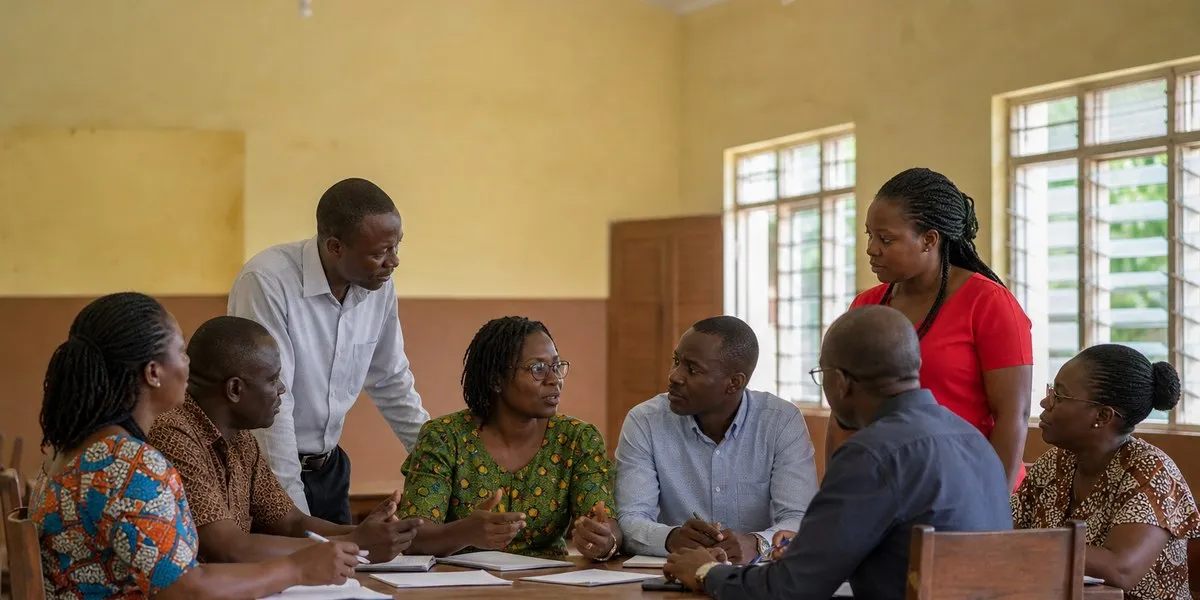
Accra, September 29, 2026 Ghana’s three largest pretertiary teacher unions maintained a nationwide withdrawal of classroom services on Tuesday, as the Education Ministry and government agencies worked through urgent talks aimed at ending the action. The industrial action, which began on September 25, has already forced closures or partial shutdowns at dozens of schools in several regions and raised concerns about the academic calendar and examination schedules. Union leaders say their demands remain unresolved. The Ghana National Association of Teachers, the National Association of Graduate Teachers and the Pre Tertiary Teachers Association of Ghana are pressing for faster processing of promotion cases, correction of delayed salary placement for promoted staff and settlement of outstanding arrears tied to earlier promotions and allowances. Teachers also complain about slow implementation of elements of the collective bargaining agreement they say were agreed in principle during earlier negotiations. On Monday the Education Minister met union leaders, the Fair Wages and Salaries Commission and officials from the Controller and Accountant General’s Department to seek a pathway out of the impasse. The meeting followed intense weekend calls for government action and came as local authorities and education managers scrambled to manage the immediate effect on learners. What happened on Tuesday Teachers in parts of the Western Region including Sekondi Takoradi were reported among those who remained on strike on Tuesday, joining staff in several other municipalities where schools have been affected. In areas where unions have strong support, many basic schools locked classrooms and headteachers issued notices to parents asking for patience while talks continued. Regional education offices issued contingency guidance asking headteachers to maintain school records, protect examination material and keep communication lines open with parents. Some districts announced temporary suspension of face to face lessons for affected grades while alternative arrangements for critical assessments are considered. Government response and the negotiation landscape Government officials acknowledged the seriousness of the teachers’ grievances and said multiple agencies are working to review submitted promotion cases and payroll anomalies. The Education Ministry has urged unions to give the ongoing interagency meetings time to produce concrete timelines and pledged to escalate bottlenecks that fall outside the ministry’s control. Union leaders say previous commitments by agencies to expedite payments and placements have not been met within promised timeframes, eroding trust and prompting the strike. The unions have said they will maintain the action until they receive verifiable, timebound assurances, and the walkout will continue if the negotiations do not produce a satisfactory plan. Impact and wider context The strike adds pressure to a school year already shaped by other national issues. Parents and caregivers reported disruption to schooling routines and additional childcare burdens, while educators and civil society groups warned that a prolonged action could adversely affect examinations and academic progression for vulnerable learners. Education unions across Ghana have historically used strikes to press long standing administrative and pay grievances. In recent years, delays in processing promotion documentation and payroll errors have repeatedly emerged as flashpoints between the Ghana Education Service, unions and central pay agencies. This dispute exposes structural coordination problems among the ministry, the Fair Wages and Salaries Commission and the Controller and Accountant General’s Department, agencies that must cooperate to action teacher promotions and salary adjustments. What comes next Officials said the interagency discussions that resumed on Monday will continue and that the government will publish a timetable for clearing backlog cases and resolving documented payroll irregularities where they can be acted on quickly. Union leaders have indicated they will reconvene their national executive committee to decide whether to continue the strike or accept any government offer, and they have asked members to await formal communication before returning to classrooms. Education stakeholders called for a rapid, transparent process. School managers, parent associations and students have urged both sides to prioritise the interests of learners and produce an agreed, public schedule for processing claims and resuming instruction. Why this matters A sustained teachers strike would deepen learning loss for pupils, increase pressure on families and risk cascading administrative complications for public examinations and certification. It also highlights a governance challenge that crosses line ministries and payroll agencies, underscoring the need for durable administrative fixes rather than repeated temporary assurances. The outcome of the talks will be watched closely by parents, education planners and political actors ahead of a year that contains critical national tests and the ongoing management of public sector wage pressures. Reporting note: This article is based on contemporaneous reporting and government and union statements on September 29, 2026. Further updates will follow as negotiations progress and agencies publish timelines.
Topics
LocationVarious school districts across Ghana