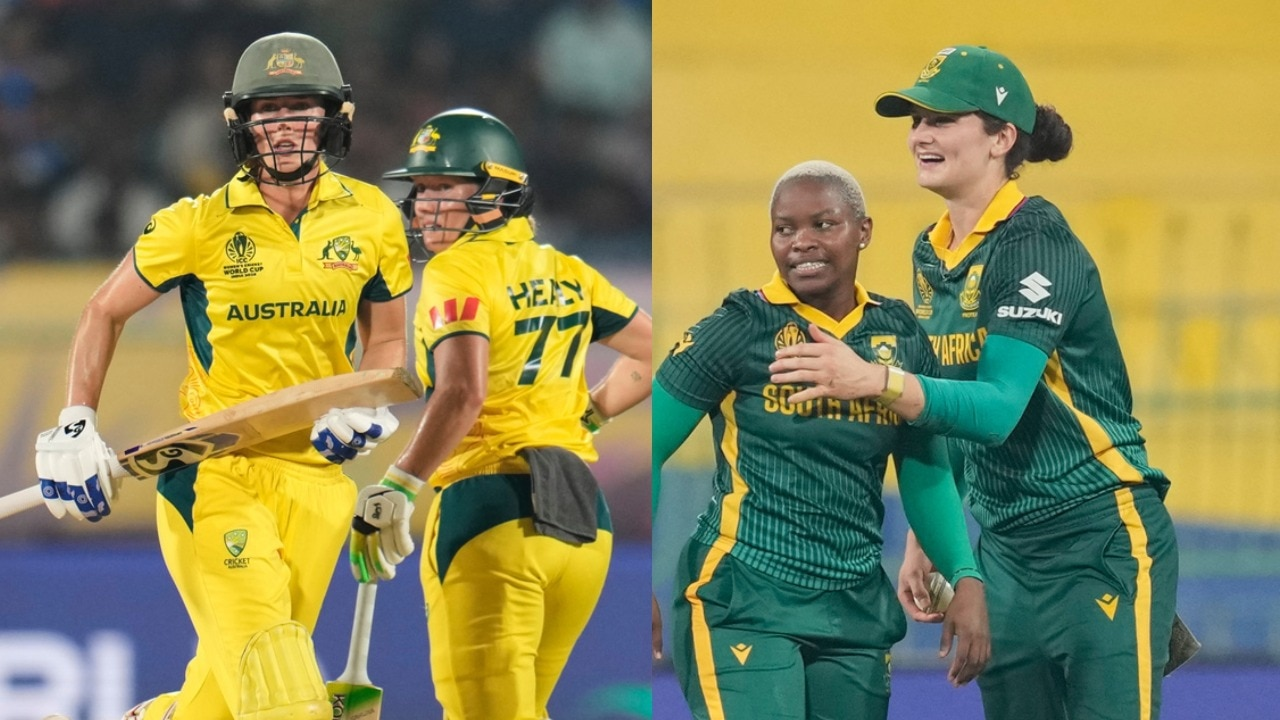
South Africa's preparations for the 2027 Cricket World Cup have entered another important phase as the Proteas host defending champions Australia in a three-match ODI series beginning at Kingsmead in Durban.
The opening match on Thursday arrived with contrasting circumstances for the two sides.
Australia bring an experienced squad containing several members of their established international core, while South Africa have been forced to rethink their fast-bowling plans following a cluster of injuries.
Australia won the toss in Durban and elected to field first, sending Temba Bavuma's side in to bat. South Africa selected Quinton de Kock, Tony de Zorzi, Bavuma, Matthew Breetzke, Ryan Rickelton and David Miller in a batting line-up backed by all-rounders Marco Jansen and Corbin Bosch.
The series has particular significance because South Africa, Namibia and Zimbabwe will co-host the 2027 ODI World Cup.
For the Proteas, that makes the Australian visit more than another bilateral contest. It provides an opportunity to assess squad depth, manage workloads and determine which players can become part of the team's core ahead of a World Cup on home-region conditions.
South Africa's Pace Resources Hit by Injuries
The biggest problem confronting South Africa is their fast-bowling department.
Kagiso Rabada, Lungi Ngidi, Kwena Maphaka and Ottneil Baartman have all been ruled out with hamstring injuries, while Nandre Burger is unavailable because of a back problem.
Maphaka was the latest setback after suffering a right hamstring strain during training. Lizaad Williams was called into the squad as his replacement.
Ngidi and Baartman had already been replaced by Nqobani Mokoena and Duan Jansen, leaving South Africa with a considerably different group of pace options from the attack they might otherwise have selected.
Captain Temba Bavuma acknowledged before the series that fast bowling has traditionally been a central part of South Africa's cricketing identity.
The injury situation, however, creates an opportunity to test the depth behind the established names.
South Africa's XI for the first match still contains significant bowling experience. Marco Jansen offers left-arm pace and additional batting depth, Gerald Coetzee provides speed through the middle overs, while Corbin Bosch adds another seam option.
The Proteas have also selected two specialist spin options in Keshav Maharaj and Bjorn Fortuin for the Durban opener.
That combination gives South Africa several ways of constructing 50 overs even without some of their leading quicks.
Australia Bring World Champion Pedigree to South Africa
Australia arrive carrying the status of defending ODI world champions and with a squad containing significant international experience.
The touring group includes Travis Head, Mitchell Marsh, Cameron Green, Josh Inglis, Alex Carey, Mitchell Starc, Josh Hazlewood and Adam Zampa, alongside a group of younger players being developed for the next World Cup cycle.
Australia also entered the South African series after completing a 3-0 ODI sweep of Zimbabwe, providing useful competitive preparation before facing the Proteas.
Pat Cummins returned to the touring squad after missing that Zimbabwe series, although his workload has been carefully managed.
The presence of Australia's senior players makes the series a valuable test for South Africa's less experienced bowling options.
David Miller also enters the contest with an impressive record against Australia.
The 37-year-old averages 57.38 against Australia in ODIs, including a career-best 139 in Hobart in 2018. Miller recently reiterated his commitment to international cricket despite losing his South African national contract.
His experience could become particularly valuable as South Africa balance established players with those competing for longer-term places.
World Cup Planning Adds Importance to the Series
The three matches arrive with the next ODI World Cup increasingly influencing selection decisions.
The 2027 tournament will be staged across South Africa, Namibia and Zimbabwe, placing additional attention on South Africa's ability to build a squad suited to conditions in the region.
That creates a difficult balancing act.
South Africa want to field a competitive side against one of international cricket's strongest teams, but they must also avoid placing unnecessary strain on players already managing heavy workloads.
The current injury situation demonstrates why squad depth matters.
Rabada and Ngidi would ordinarily be central to South Africa's pace plans. Their absence gives bowlers such as Coetzee, Bosch, Williams, Duan Jansen and Mokoena opportunities to strengthen their cases for future selection.
Bavuma has framed the challenge similarly, saying South Africa need to identify the group of players who can form the team's core heading towards the World Cup.
Australia face their own version of that process.
Several established players remain central to the team, but younger names such as Cooper Connolly, Jack Edwards, Joel Davies and Oliver Peake are also included in the touring squad.
Bilateral ODI cricket therefore serves two purposes for both sides: winning the immediate series while developing the group that will eventually compete for the sport's biggest 50-over prize.
Kingsmead Opens a Three-Match Contest
Kingsmead provides the setting for the opening encounter before the series continues later this month.
Historically, conditions in Durban can provide assistance for fast bowlers, making South Africa's missing pace options particularly relevant.
Venue statistics show that seam bowling has accounted for a substantial majority of ODI wickets at Kingsmead, while teams chasing have enjoyed a slightly stronger winning record than sides batting first.
Australia's decision to bowl first therefore puts South Africa's batting order under immediate pressure to establish a competitive total.
The hosts have considerable experience at the top and through the middle order.
De Kock and de Zorzi open, Bavuma leads from No. 3, and Breetzke, Rickelton and Miller provide further batting options before the all-rounders.
South Africa's challenge will then shift to defending whatever total they establish without several of their first-choice quicks.
That makes the opening ODI a useful examination of precisely the problem the Proteas need to solve before 2027: how competitive can South Africa remain when their established pace attack is unavailable?
Australia provide a demanding opponent against which to find out.