PHIVOLCS launches Metro Manila tsunami awareness campaign as Philippines marks global preparedness day
The Philippine Institute of Volcanology and Seismology announced a new public private tsunami awareness push for Metro Manila, linking community drills, an advocacy campaign and digital tools ahead of planned outreach events in October.
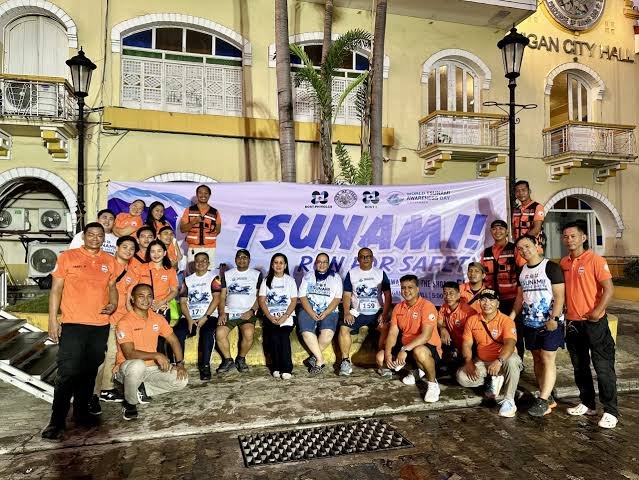
The Philippine Institute of Volcanology and Seismology, DOST PHIVOLCS, has announced a stepped up tsunami awareness and preparedness campaign for Metro Manila, unveiling a coordinated public private initiative that the agency says will combine community drills, education, and new outreach tools to boost urban readiness for coastal hazards. PHIVOLCS said the campaign, timed with the United Nations declared World Tsunami Awareness Day observance, will bring together government offices, local governments, disaster management agencies and private sector partners to drive “Tsunami! Run for Safety” style outreach and capacity building across the capital region. The initiative includes a public information push, tabletop and community drills, and the rollout of digital materials aimed at helping residents recognise natural tsunami warning signs and follow evacuation procedures. Officials told reporters the campaign will culminate in a press conference and a series of events in mid October, including community-level preparedness activities in coastal barangays and trainings for local disaster response teams. PHIVOLCS said the Metro Manila effort is part of a broader national strategy to strengthen tsunami readiness after years of seismic activity and in recognition of the countrys exposure to tsunami risk because of its location along the Pacific Ring of Fire. Why the campaign matters The Philippines sits on multiple active fault systems and has a long history of earthquakes that have produced tsunamis with deadly consequences. Urban and coastal populations face particular challenges, because dense development and complex evacuation routes make fast, coordinated responses essential if a tsunami follows a large offshore quake. PHIVOLCS leaders emphasised that public awareness and simple, practised responses save lives. The agency highlighted familiar natural warning signs, such as long or strong shaking, sudden and unusual retreat of the sea, or an abnormal roaring sound from the ocean, as triggers for immediate self-evacuation even before official alerts arrive. They also stressed the need for households and local officials to identify safe evacuation routes and high ground in advance. Tools and partners The newly announced campaign will deploy a set of communication products and community activities, including posters, social media guides, and local drills designed to be repeated by barangays and schools. PHIVOLCS said it was partnering with ARISE Philippines, the Metropolitan Manila Development Authority and several city governments in Metro Manila to coordinate logistics and public messaging. PHIVOLCS also signalled plans to integrate digital resources into the campaign, aiming to make practical guidance more widely available and easier to act on during an emergency. Officials described the effort as a public private partnership focused on translating scientific early warning capabilities into clear, repeatable local actions. Officials declined to characterise the move as a response to any single imminent threat. Instead, they framed it as a timely reinforcement of long term preparedness work, including lessons drawn from past major events and from the national response to recent large earthquakes that have shaken parts of the archipelago. What to expect for residents PHIVOLCS urged residents of coastal areas in Metro Manila and nearby provinces to take part in scheduled drills and to review household emergency plans. The agency recommended simple preparedness steps such as identifying multiple evacuation routes, assembling an emergency kit, and agreeing on a family meeting place on higher ground. For city leaders and emergency managers, the campaign offers structured tools for conducting local outreach and for synchronising response plans between barangays and city disaster management offices. PHIVOLCS said the schedule of public activities and training sessions would be shared with local governments as the October events are finalised. Keeping tsunami risk visible Disaster experts say awareness campaigns are most effective when they are sustained and practiced regularly by communities and local authorities. PHIVOLCS leaders framed the new Metro Manila push as an attempt to keep tsunami risks visible in the public imagination, and to strengthen the basic, life saving behaviours that reduce casualties when a tsunami threatens. As the Philippines enters the annual period of heightened public outreach around tsunamis, officials urged constant vigilance: know the signs, move quickly to higher ground if you feel strong shaking, and listen to local authorities for guidance. Those simple actions, they said, can be decisive in saving lives in the event of a tsunami.
Topics
LocationMetro Manila