
Philippine technology infrastructure is set to receive a major boost after Singapore cloud specialist Aolani and local firm YCO Cloud unveiled plans to deploy one of the country’s first large scale AI computing clusters. The partners say the project will use Nvidia Blackwell Ultra GPUs and target more than 10,000 accelerators in a phased rollout, with the first phase scheduled for the first quarter of 2027.
What the project will provide
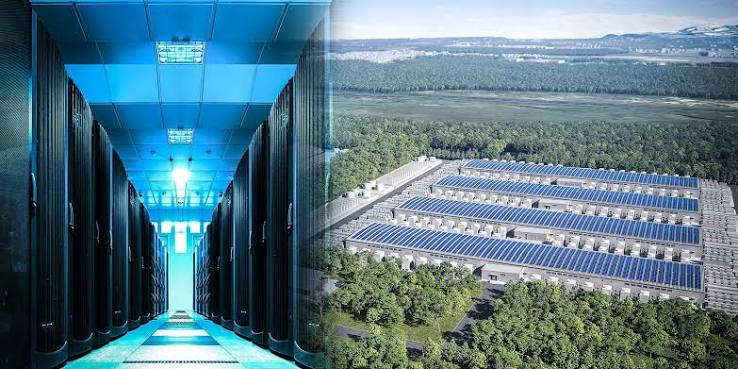
According to company statements and a detailed interview published today, the deployment will be built as a GB300 NVL72 style cluster and positioned as sovereign AI infrastructure. That means the partners intend the facility to host data and workloads within the Philippines, provide enterprise grade security controls, and be available to local government units, Philippine businesses and startups as well as regional customers.
Project leaders describe the effort as more than a single data centre. The plan couples high performance compute racks with local digital infrastructure, renewable first power sourcing where possible, and operational partnerships intended to grow local skills and services around AI workloads.
Why the Philippines
Executives from both companies told reporters the Philippines is an attractive location for a number of reasons. The archipelago is a growing regional landing point for subsea cables and has a large information workforce, including a sizable business process outsourcing sector that is moving to AI augmented services. Local availability of low latency regional connectivity, plus rising domestic demand for model inference and specialised compute, are cited as business rationales for hosting a cluster inside the country rather than relying solely on overseas providers.
The partners also emphasised the sovereignty argument. Locally hosted compute reduces cross border data transfer for sensitive workloads, can simplify compliance with domestic data protection rules, and gives government and industry more direct operational control. The project will be run in partnership with local operators so that day to day operations and governance are managed within the Philippines.
Timing, risks and operations
Both firms said the first deployment phase remains targeted for early 2027 and identified four stages that must be completed before customer acceptance: site completion and securing the power connection, equipment delivery, installation and commissioning, and handover to customers. The companies flagged long lead times for high performance memory and storage components as the primary variable that could affect schedule.
To manage schedule and cost, the partners described a phased approach with pre contracted capacity, and a financing model led by Aolani for GPU procurement, while YCO will handle local site development and infrastructure. They also said they are working with established power and electrical infrastructure vendors to manage the energy and cooling demands of a dense GPU deployment.
Local ecosystem and workforce implications
Executives emphasised that compute alone will not produce an AI industry, and that the cluster must be coupled with talent development, managed services and tools tailored for Filipino enterprises. They said the rollout will be accompanied by plans to hire and train local operations staff, create university partnerships for skills pipelines, and offer managed access tiers so both startups and larger organisations can use compute in a cost effective way.
If delivered as described, the project would give Filipino businesses an onshore option for training or inference workloads that today might be routed to overseas cloud providers. For government users, it could provide a way to keep sensitive data under local jurisdiction. For the wider tech ecosystem, the cluster is pitched as a foundation for new AI products, from low latency conversational services to video and image inference applications that require high throughput and proximity to local customers.
Questions that remain
Industry analysts say several practical issues will determine whether the project meets expectations. These include realistic pricing and access models for smaller firms, the reliability and affordability of power at the chosen site, the depth of the local talent pool to operate and secure the infrastructure, and whether signed customer commitments are sufficient to reach sustainable utilisation early on.
There are also macro questions. The global market for dedicated AI capacity is intensely competitive, and supply chain constraints for GPUs and high performance storage have made timing uncertain for many planned deployments worldwide. Local regulators and procurement teams will also watch any sovereign claims closely to ensure compliance with national rules on data residency and public procurement.
What it means for Philippine tech policy
For policymakers and enterprise IT leaders, a locally hosted Blackwell cluster would be a visible step toward the Philippines’ goals of building national AI capacity. It may influence procurement choices, spur investment in power and connectivity, and encourage other infrastructure players to consider onshore compute projects. For startups and researchers, easier domestic access to high performance GPUs could shorten development cycles and reduce the friction of moving prototypes from research to production.
The Aolani and YCO Cloud announcement is not a completed deployment, but it is a material development in the Philippines’ AI infrastructure story. Delivery risks remain, but the plan outlines how a combination of international financing, local site development and an explicit emphasis on sovereign operation could change the options available to Philippine organisations that need high performance AI compute.