Air operations and conflicting casualty counts
Pakistan announced late on October 1 that it had conducted precision air and drone strikes on militant hideouts inside Afghanistan, saying the operations destroyed weapons and killed fighters responsible for attacks on Pakistani soil. Islamabad described the strikes as targeted actions against specific terrorist hubs and said they were necessary to protect Pakistani civilians from cross border attacks.
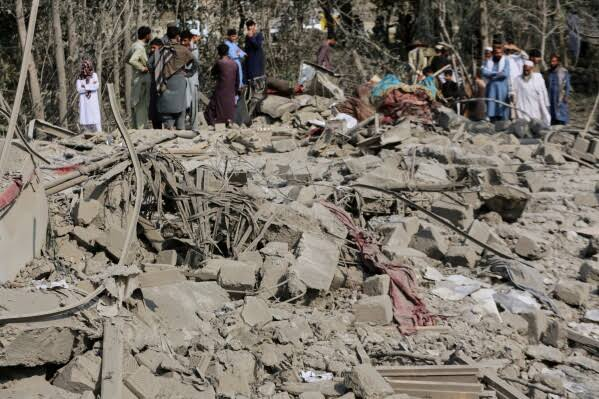
Afghan authorities, including provincial officials in Kunar and Helmand provinces, gave a different account, saying the strikes hit houses and killed civilians, including women and children. The United Nations assistance mission in Afghanistan provided its own assessment, saying that at least 10 civilians, most of them children, were killed and others were wounded. Local media and imagery from the strike zones showed rubble and grieving family members, reinforcing concerns about noncombatant harm.
How the sides describe what happened
Pakistan’s statement framed the operations as intelligence driven, saying multiple sites were struck where militants were assembling weapons, operating drones, or planning attacks inside Pakistan. Pakistan claimed that around two dozen fighters were killed and that large quantities of ammunition and equipment were destroyed. The military said it took great care to avoid collateral damage.
Afghan spokespeople described a low hour overnight strike that damaged civilian residences in several districts. They said women and children were among the dead and insisted the attacks violated Afghanistan’s sovereignty. Provincial information officials in Helmand and Kunar reported varying fatality figures, and described scenes of families searching through rubble for survivors and salvaging belongings.
International and humanitarian alarm
The United Nations assistance mission in Afghanistan expressed alarm at reports of civilian deaths and said it was seeking to verify details on the ground. The UN statement underlined that any military action must adhere to international humanitarian law, including obligations to protect civilians. Humanitarian groups cautioned that renewed strikes could further destabilize border communities already coping with displacement and economic hardship.
Regional and global actors are likely to watch the situation closely. Cross border military actions have in the past provoked diplomatic protests, retaliatory operations, and spikes in violence. The two neighbors have cycled through periods of sharp escalation followed by intermittent efforts at deescalation, but the fundamental causes of mistrust remain unresolved.
Why the strikes matter
The October 1 operations are significant because they come after months of heightened tensions between Islamabad and Kabul, and after a period of relative quiet earlier this year. Pakistan has consistently accused elements operating from Afghan territory of planning and executing attacks inside Pakistan, most notably by the Tehrik-e-Taliban Pakistan and other allied groups. Kabul rejects allegations that it provides safe havens and insists it does not tolerate groups that threaten Pakistani security.
Any cross border air campaign expands the conflict footprint beyond ground skirmishes or targeted raids. Air and drone strikes carry an elevated risk of civilian harm because of their range and destructive power. For Pakistan, the operations are presented as defensive measures to disrupt militant networks. For Afghanistan, they risk being seen as breaches of sovereignty that could provoke political and security responses.
Local impact and the humanitarian dimension
In the districts reportedly affected, residents already face fragile living conditions and limited access to services. Even a small number of civilian casualties can trigger displacement, interrupt schooling, and strain local health systems. Humanitarian actors warn that renewed violence along the border could make it harder to deliver aid and to operate in areas where communities fled earlier waves of fighting.
Officials and relief groups also note the risk of reciprocal attacks or wider military responses that could draw in more forces or prolong instability along the border. That dynamic would complicate any efforts to reintegrate displaced families or to address the long term drivers of militancy, such as ungoverned spaces, poverty, and contested local power structures.
What might come next
Diplomatic exchanges are expected, including demands for explanations and for assurances that future operations will avoid civilian harm. The Afghan leadership may lodge formal protests and seek international support to pressure Pakistan to refrain from strikes inside its territory. At the same time, Islamabad is likely to emphasize its security prerogative and the need to disrupt networks that it says are staging attacks from across the border.
Observers say a sustainable solution will require both immediate measures to reduce violence and longer term confidence building between Kabul and Islamabad, potentially with third party mediation. Without that, episodic strikes and counterclaims may continue to produce civilian suffering and to undermine broader regional stability.
For now, the immediate priorities are to verify casualty figures, assess humanitarian needs in the affected districts, and open channels of communication that can prevent further escalation. The coming days will show whether this episode becomes a short term spike in cross border tension or a turning point toward wider confrontation.