Mass demonstrations begin as political storm over voter roll revisions escalates
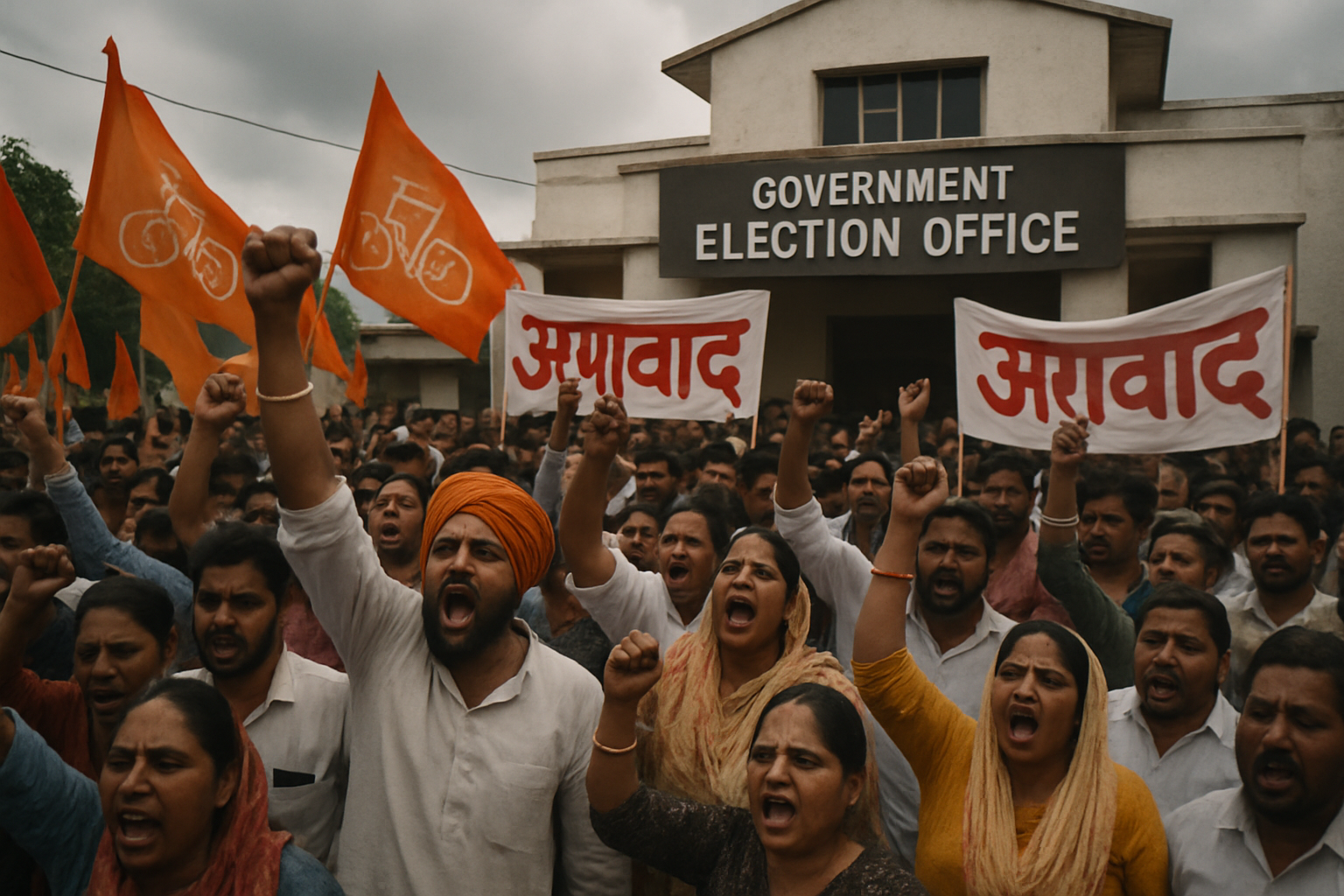
On September 26, 2026, protests spread to cities and towns across India as opposition parties, student activists and five Left parties took to the streets to demand the resignation of Chief Election Commissioner Gyanesh Kumar and a suspension of the Election Commission of India’s Special Intensive Revision, known as SIR. Organisers said the week long campaign, running through October 2, aims to press authorities to reverse changes to electoral rolls that critics say have wrongly disenfranchised eligible voters.
What triggered the protests
The mobilisation follows reporting and public statements that two Election Commissioners raised formal objections to decisions taken during the SIR process. Those internal dissent notes, which became public in recent days, fuelled allegations from opposition leaders that the Commission has acted without proper safeguards, centralised voter data in ways that invite errors, and accepted questionable changes to registration procedures and a form used for re-enrolment. Parliamentarians from several parties have signalled plans to pursue removal proceedings against the Chief Election Commissioner, while civil society groups and regional political organisations have called for an independent inquiry.
How the protests unfolded on September 26
Demonstrations on Saturday included marches to state Election Commission offices, sit ins outside municipal and district headquarters, and rallies at well known public squares. In Delhi, party workers and student groups assembled near the Election Commission office. Similar gatherings were reported in Chandigarh, Lucknow, Guwahati and multiple other state capitals, with local police deployed to manage crowds and traffic. Party organisers told supporters that the campaign would combine public protest, legal steps and parliamentary action to force a reversal of contested SIR decisions and to hold officials accountable.
Who is leading the action
The protests were announced jointly by five Left parties: the Communist Party of India Marxist, the Communist Party of India, the Communist Party of India Marxist Leninist Liberation, the Revolutionary Socialist Party and the All India Forward Bloc. National opposition parties, including the principal opposition bloc, have joined the mobilisation or issued parallel calls for protests. A prominent youth movement and other activist groups have also threatened a fresh round of nationwide agitation unless demands are met.
Authorities and the Election Commission
The Election Commission has defended the SIR exercise as a necessary revision of voter rolls to remove duplications and entries for deceased persons, and to strengthen the integrity of electoral records ahead of several state elections scheduled later this year. The Commission has not yet publicly released a full account of the internal objections that critics say demonstrate procedural problems. Legal petitions demanding transparency and seeking court oversight were filed by opposition lawyers and civil society actors in the days leading up to the protests.
Political implications and stakes
Analysts say the controversy touches on wider anxieties about electoral fairness and institutional independence at a sensitive moment in India’s political calendar. Several large states have assembly elections in the months ahead, and any loss of public confidence in the electoral body could sharpen contestation and polarise voters. The opposition argues that alleged procedural shortcuts in SIR have already affected registration rolls in states that recently completed the process, and they warn that continued use of disputed methods could influence outcomes.
Legal and parliamentary next steps
Parliamentary leaders from the opposition have indicated plans to move a fresh notice for removal of the Chief Election Commissioner, and some legal teams have said they will seek court-ordered review or monitoring of the SIR process. At the same time, the Commission and government officials face pressure to provide an authoritative, date stamped account of the internal objections and the steps taken in response. How courts, the Commission and Parliament resolve those procedural disputes will shape whether protests fade, are absorbed into legal channels, or escalate further.
Why this matters for voters
At its core, the dispute raises a practical civic question. Electoral rolls are the basis for citizens to exercise their franchise. If legitimate voters are wrongly excluded from lists, that harms participation and trust. Conversely, if lists contain errors or vulnerabilities, the Commission argues those must be corrected to preserve the value of the franchise. The present confrontation, however, centers on whether the Commission has followed transparent, legally defensible methods while conducting revisions at scale. The answer will influence not only the immediate dispute but also how future revisions are designed and overseen.
Outlook
For now, organisers said protests would continue through October 2. Political leaders on both sides have signaled that the issue will be fought on multiple fronts, including rallies, courts and in Parliament. Observers noted that the coming days will be decisive for whether a negotiated technical fix, a judicial intervention, or continuing street mobilisation becomes the main channel for resolving the controversy.
As protests proceed, national and state authorities face the immediate task of ensuring public order while respecting the right to peaceful assembly and providing clear, verifiable information about the SIR process to calm a debate that has already expanded beyond administrative details into a question about institutional trust.