One Assam Rifles soldier killed, four wounded in ambush near India Myanmar border in Arunachal Pradesh
An Assam Rifles patrol was ambushed on Tuesday morning near Nampong Nallah in Changlang district, killing one havildar and injuring four others. Security agencies have launched searches and are investigating suspected cross border insurgent involvement.
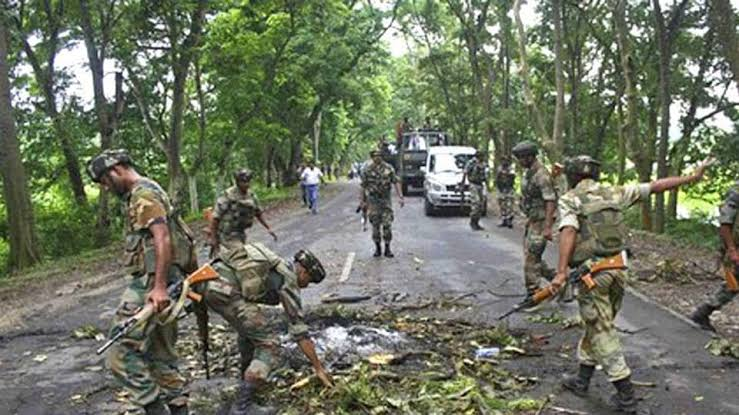
A patrol of the Assam Rifles was ambushed on the morning of September 29 near the India Myanmar frontier in Arunachal Pradesh’s Changlang district, leaving one soldier dead and four wounded, security officials said. The attack took place close to Nampong Nallah, an area where fencing and other border infrastructure work has been under way, and has prompted intensified security operations in the surrounding area. H2: What happened According to preliminary official accounts, the patrol from the 21 Assam Rifles came under sudden fire at about 06:30 local time while conducting routine patrolling in the Nampong sector. The assault resulted in the death of one personnel and injuries to four others who were taken to a nearby medical facility. Local authorities said the deceased has been identified in reporting as Havildar Jankhokai Kuki, aged 42. Witnesses and local officers said the patrol was operating in a stretch where work on border fencing is progressing. Officials described the incident as an ambush rather than an exchange of fire, and said it occurred in dense, contested border terrain that has seen irregular armed group activity in the past. H2: Who may be responsible Initial reporting and security assessments have pointed to the possibility of involvement by an armed insurgent faction active in the transnational border area. Some local sources and regional monitors suspect elements of the NSCN factional network that operate in segments of the India Myanmar borderland, though authorities cautioned that a formal attribution has not been completed. Security agencies have launched search and cordon operations in the nearby hills and along likely withdrawal routes. Central and state security formations are coordinating searches to locate any attackers and to secure the perimeter around ongoing infrastructure works. H2: Immediate response and investigations The Assam Rifles leadership and local police have opened inquiries into how the ambush was planned and executed, and whether gaps in perimeter security or intelligence failure contributed to the incident. The paramilitary force posted public condolences and paid tribute to the fallen soldier on its official channels. Officials said they will examine whether the attackers crossed the frontier from Myanmar, used local hideouts, or exploited gaps around the fencing works to stage the ambush. Investigators will collect forensic evidence from the scene, interview surviving personnel and canvass local residents to establish timelines and attacker movement. H2: Strategic context Changlang district lies along a porous section of India’s eastern border with Myanmar, a region that has for decades been a theater of low intensity insurgency, sanctuary for cross border groups and periodic clashes. The area has seen multiple security operations and intermittent violence, tied to multiple insurgent networks and to trafficking routes that exploit rugged terrain. Infrastructure projects such as fencing and road building have been priorities for security planners because they reduce unregulated movement and improve rapid response capabilities. At the same time, construction activity can increase exposure for personnel engaged in perimeter work, creating opportunities for attackers to target small patrols. H2: Why this matters The ambush underscores the enduring risk to security forces deployed along remote border stretches, particularly where construction or clearance activity can change the tactical picture. Casualties among paramilitary units in border districts generate acute local tensions, risk further retaliatory operations and require adjustments in force posture and intelligence collection. Beyond the immediate human toll, attacks on units guarding infrastructure projects can slow or alter implementation of border management initiatives, with implications for long term cross border control and regional stability. H2: What to watch next Authorities are likely to release a fuller account as forensic results and witness statements are compiled. Key developments to monitor in the coming days include any official confirmation of the identity of the attackers, results from search operations, and whether New Delhi will order additional reinforcements or change operational rules in the sector. Local political leaders and the state administration may also move to reassure communities and to accelerate relief and security measures near the site. Any claim of responsibility from insurgent groups or corroborating intelligence indicating cross border transit will shape the follow up response and potential diplomatic communication with Myanmar. H2: The human cost The death of a serving havildar and the wounding of four colleagues is a reminder of the daily risks faced by personnel who patrol remote frontiers. Tributes and condolences have been issued by senior commanders, and local authorities have said they will provide support to the family of the deceased and to the injured soldiers while investigations proceed. As searches continue and the investigation unfolds, security forces say they remain on high alert across adjacent border sectors to prevent any escalation and to protect workers and communities near ongoing border infrastructure projects.
Topics
LocationNampong Nallah