Widespread stoppage targets cost of living and wages
Italy is seeing a broad, mostly peaceful work stoppage on Friday, October 2, 2026, after the Confederazione Sindacale Lavoratori Europei, CSLE, with the support of the Fi Si union, called a multi sector strike. The action covers an array of public and private sectors, with the organisers citing surging prices for fuel and food, stagnant wages and demands for stronger national steps toward energy independence as the principal grievances.
Who is affected and when
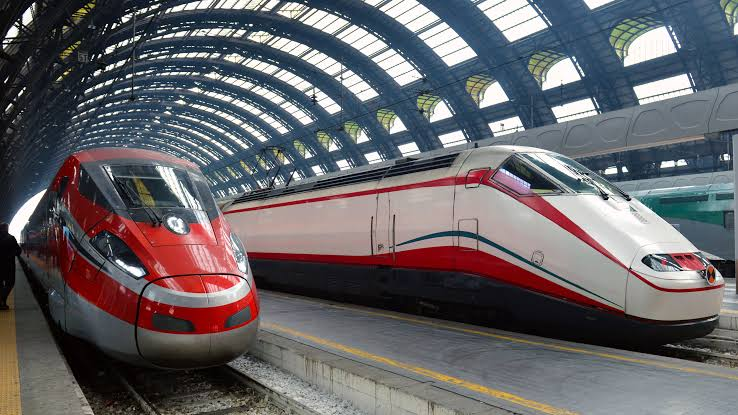
The strike formally covers the entire day in many sectors, but its impact on rail transport is limited to a three hour window from 11:00 to 14:00 local time. Rail workers are only one of the groups involved. The list of potentially affected sectors published by national outlets and union bulletins includes school staff and teachers, hospital administrative and outpatient services, local government employees, mariners, metalworkers, agricultural and livestock workers, and private security personnel.
As is customary in Italy, services deemed essential are subject to legal minimums. Emergency care and urgent services in hospitals are to be maintained. Long distance and other trains covered by statutory guaranteed services are also to run, although regional and local services can see disruptions during the declared three hour window. Individual school principals and local health authorities will communicate case by case whether classes or scheduled outpatient visits are suspended.
Contrasting expectations from rail operator and unions
Ferrovie dello Stato and associated operators have publicly downplayed the extent of disruption. A company source told national wire services that there would be no widespread impact on scheduled services and that trains listed under statutory minimum service tables would run. Some regional operators, however, warned of localized problems and urged passengers to check timetables because the strike can particularly affect commuter and regional links.
Union organisers maintained that the protest is meant both to win immediate relief on living costs and to signal a longer term political demand for policies that protect incomes and national energy security. The CSLE statement frames the dispute as a response to the rising costs of diesel and basic goods, higher taxation, and stagnating salaries, material concerns for many households after a year of elevated inflation and energy price volatility.
Why the stoppage matters
Although the CSLE is not one of the largest representative confederations in Italy, the strike matters for two reasons. First, it shows labour frustration is spreading beyond the traditional union base into smaller, more radical groups that can still trigger disruption across multiple services. Second, October is shaping up as a month of repeated labour action, and consecutive or coordinated strikes across sectors could compound economic and political pressure on the government.
Transport and education interruptions have a disproportionate public impact because they affect commuting, supply chains and families. In healthcare, targeted stoppages of administrative and non urgent services can create backlogs and delays in an already stressed system. Even limited rail interruptions can ripple into airports and freight, complicating tourism and business activity heading into the autumn season.
Political implications and government position
The strike arrives at a politically sensitive moment for the national administration. While the government has emphasised targeted measures to support vulnerable households and enterprises, unions argue those steps do not match the scale of price pressure households face. Smaller unions such as CSLE are attempting to leverage public disruption to force renewed talks and policy responses.
Ministers and party leaders are watching reactively. Officials have pointed to existing social safety measures and underscored the need to preserve essential public services, while some opposition figures have sought to use the episode to press for bolder anti inflation or wage policies. Analysts say sustained or escalating labour unrest in October could complicate the government agenda and spotlight social strains heading into next year.
Practical advice for the public
Passengers planning to travel on October 2 are advised to consult the timetable information published by their rail operator and to verify long distance guarantees before departure. Parents should monitor communications from schools for local decisions on class schedules. Patients with scheduled outpatient appointments or non urgent procedures should confirm with their local health authority whether services will be provided or rescheduled.
What to watch next
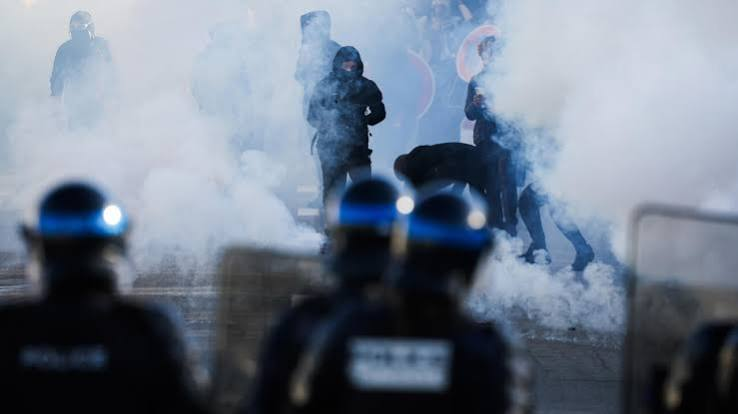
Observers will be tracking the strike's real time turnout, any localised clashes or disruptions, and whether the action prompts immediate government negotiation or an escalation into further nationwide stoppages later in October. The broader significance will depend on whether the strike translates into concrete policy responses on fuel prices and income support, or instead fuels a month of repeated mobilisation that raises political costs for the administration.
For now, the October 2 action represents a snapshot of growing social pressure over living costs, and a signal that even smaller unions can shape national debate when multiple sectors are mobilised simultaneously.