France braces as up to 500 high schools are shut amid nationwide student protests
French authorities ordered hundreds of high schools to suspend lessons on October 5 as a wave of student blockades over shortages, overcrowding and dilapidated facilities spread across the country. The move follows days of clashes, dozens of injuries and thousands of arrests that have deepened political pressure on the government.
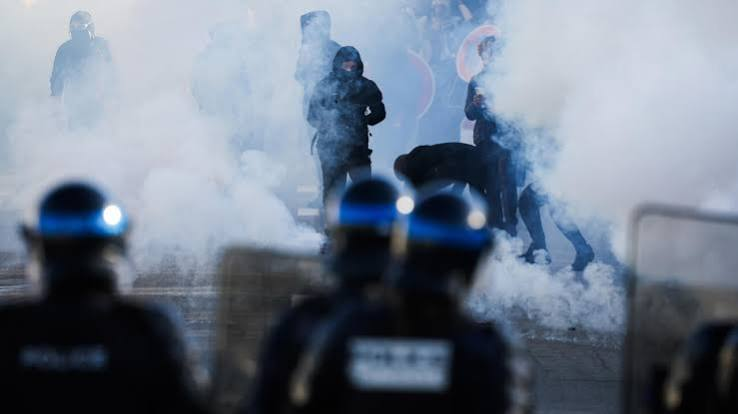
Paris, October 5, 2026 France on Monday ordered lessons to be "totally or partly suspended" at as many as 400 to 500 high schools as mass student blockades that began in late September spread to cities across the country. Education Minister Edouard Geffray said the closures were a security precaution after several days of increasingly intense demonstrations that in some places turned violent. The student mobilisation began at a suburban Paris lycée and rapidly broadened, with pupils protesting teacher shortages, chronic staff absences, overcrowded classrooms and deteriorating school buildings. Organisers and student groups have called for continued action this week, while government officials said they had to prioritise safety for pupils and staff. Geffray told national broadcasters that there had been a "very significant" number of schools affected over the previous days and that authorities expected a comparable level of disruption on Monday, October 5. He said that at least two dozen schools had been burned or ransacked since the movement started, and that several school staff had been injured. The ministry framed the suspensions as temporary and said it aimed for a gradual, partial resumption of lessons where possible. What has happened on the ground Over the last week, videos and eyewitness reports have shown scenes of pupils blocking school gates, burning bins and water-damaged entrances. In some cities, clashes between masked demonstrators and police sent plumes of tear gas into residential streets. Firefighters and riot police were deployed in several departments as authorities scrambled to secure access to educational sites. Officials and some media outlets have reported dozens of injuries to students, school staff and emergency personnel, and interior ministry figures circulated by officials estimate thousands of detentions around the country since the first large-scale blockades. Authorities say a large proportion of those detained are minors. The student movement, while rooted in classroom grievances, has been accompanied by accusations from government ministers that outside activists have infiltrated demonstrations. The education minister and other senior officials have suggested that hard left activists have exploited pupil mobilisations to escalate disorder. Representatives of student groups and some unions dispute that characterisation and say the core grievances are long standing and widely shared among pupils and teachers. Political and institutional fallout The unrest comes as the government prepares to publish a draft 2027 budget that aims to rein in public spending, a context that unions and opposition parties say will sharpen pressure on education funding. The wave of school blockades has already prompted emergency meetings in Paris involving education and interior officials, and has drawn statements from opposition politicians and union leaders calling for negotiations over staffing and investment. Some unions representing teachers and education personnel have expressed solidarity with pupil demands and have called targeted strikes in support of improved conditions. Human rights and child protection groups have urged authorities to protect minors from violent policing tactics, while also calling for accountability for attacks on school staff where they occurred. Why this matters France has a deep tradition of student protest, but the speed and scale of this movement have alarmed both the state and many parents. The closures and repeated clashes interrupt learning for thousands of pupils and add pressure on a government already facing difficult economic choices. For the wider political class, the unrest risks becoming a focal point for wider social discontent, particularly if the protests trigger broader labour actions or sustained mobilisation by education unions. A second consequence is reputational. Images of schools closed, gates burned and teachers attacked run counter to the state narrative of orderly public institutions. For many voters, visible failures in local schools are an immediate measure of government performance in day to day life. What to watch this week Organisers have called for further demonstrations on October 6, and unions are coordinating possible support actions in the coming days. Authorities say they will continue to assess security conditions at each establishment, with the ministry aiming for a phased return to lessons where it is safe to do so. Key indicators to monitor will be official counts of schools closed, authoritative tallies of injuries and arrests that break down age groups, and whether national teachers unions escalate strike action. How the government responds to student demands on staffing and investment, and whether Paris engages in direct talks with union and pupil representatives, will also shape whether the situation deescalates or widens. For now, classrooms in many towns and cities remain shuttered, and families face uncertainty over whether school life will return to normal this week. The protests are a vivid reminder that education policy can be a flashpoint for broader social grievances in contemporary France.
Topics
LocationFrance