Crowds return to streets amid heavy security
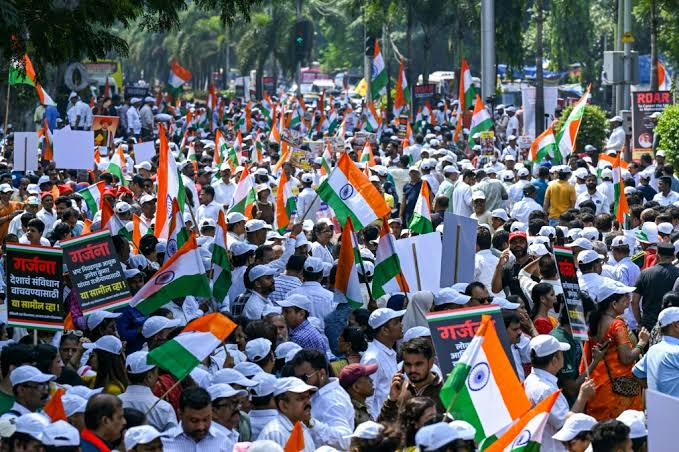
Large crowds of protesters converged on central New Delhi and parts of Mumbai on Monday, October 5, 2026, pressing renewed demands that Chief Election Commissioner Gyanesh Kumar resign. Demonstrators said the Election Commission’s Special Intensive Revision of electoral rolls has produced removals and changes they call opaque and potentially disenfranchising. Police in both cities deployed large contingents to block access to designated protest sites, including the long established Jantar Mantar in New Delhi, leading to scuffles and scores of detentions across successive days of demonstrations.
Who is protesting and why it matters
The protests have brought together a loose coalition of student groups, opposition political parties and regional leaders. Organisers and participants say they are reacting to reports that two election commissioners raised objections to key decisions by the chief election commissioner during the SIR exercise, but that those objections were overridden. That dispute has taken on wider political significance because the integrity of voter lists underpins the legitimacy of future national and state elections.
For opposition parties, the issue has become a focal point for broader criticisms of how electoral and administrative institutions are being managed. For civil society groups and student activists, the concern is more immediate: that eligible voters, particularly young people and marginalised communities, could be incorrectly removed from the rolls without adequate notice or appeal.
Police response and detentions
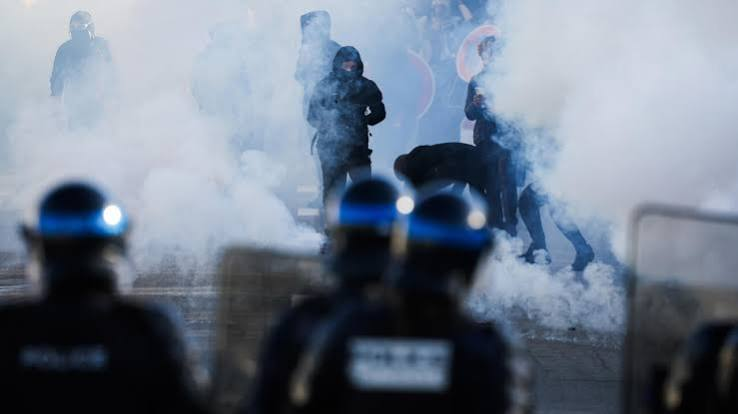
Authorities say the police measures were intended to maintain public order and prevent disruptions in high traffic areas. Delhi Police publicly acknowledged deploying thousands of personnel, including Rapid Action Force units and paramilitary reinforcements, to prevent protesters from reaching Jantar Mantar and other sensitive locations. Officials reported multiple detentions over the weekend and into Monday, citing violations of public order laws.
Protesters and some opposition leaders counter that detentions were excessive, that licensed protest sites were sealed or rendered inaccessible, and that women activists and journalists faced rough treatment in some instances. Opposition figures have demanded transparent investigations into the handling of demonstrations and formal answers from the election authority about how the SIR was conducted and on what legal basis contested removals took place.
Election Commission under unprecedented scrutiny
The Election Commission’s actions are under intense public scrutiny after media reports that internal dissent existed among commissioners about the SIR process. The commission’s decisions affect how constituencies are composed and who can vote in coming elections, making any allegation of procedural irregularity a high stakes matter for Indian democracy.
The chief election commissioner has not publicly resigned and officials within the commission have so far defended the SIR as a lawful and necessary exercise to update electoral rolls. Still, the visible and sustained nature of the protests has elevated the dispute beyond a technocratic disagreement to a broader political confrontation that could shape public debate in the weeks ahead.
Political ripple effects and what to watch next
The protests have the potential to alter political dynamics beyond immediate calls for a resignation. Opposition leaders are using mobilisations to campaign on the theme of electoral fairness and institutional independence. Regional leaders in states such as Maharashtra have organised parallel demonstrations, underscoring the issue’s reach outside the capital.
Key developments to monitor include any formal inquiry into the SIR process announced by the Election Commission or the government, fresh statements from the two election commissioners who reportedly voiced objections, and court actions that opposition parties or civil society actors may file seeking judicial review. How security forces manage subsequent protests will also shape perceptions of the state’s approach to dissent.
Why this development matters internationally
India holds outsized geopolitical influence, and the credibility of its electoral system is watched closely by foreign governments, investors and democracy watchers. Any perception that voter lists are being revised in ways that disenfranchise communities could fuel domestic instability and international concern about democratic backsliding. For a country with regular high turnout and a long history of contested politics, ensuring transparent, verifiable electoral procedures is central to sustaining public trust.
For now, the standoff remains unresolved. Demonstrations continued on October 5, with protesters vowing further action until authorities provide clear, verifiable answers on the conduct and outcomes of the SIR exercise. The coming days are likely to be decisive in whether the dispute is contained through inquiry and explanation, or whether it escalates into wider political confrontation ahead of future electoral contests.