Home / World News / Magnitude 6.0 earthquake strikes near Yonaguni island, Okinawa prefecture; no major damage reported
Magnitude 6.0 earthquake strikes near Yonaguni island, Okinawa prefecture; no major damage reported
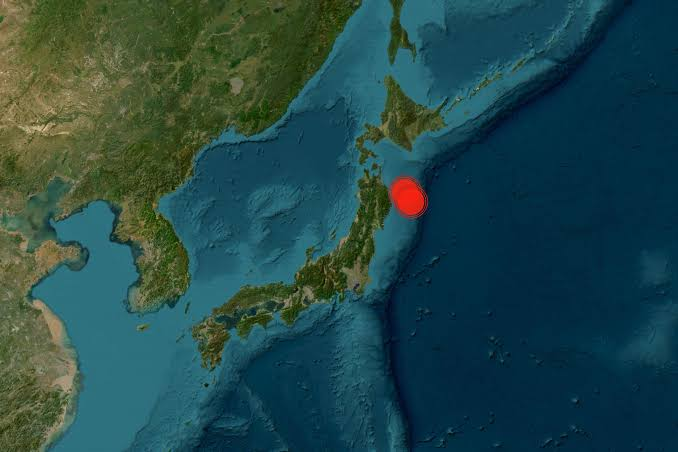
A shallow earthquake with an epicenter off Yonaguni island shook parts of the Yaeyama island chain on September 30, 2026. Japan Meteorological Agency recorded it as magnitude 6.0 and issued a small sea level advisory, while the USGS measured it at magnitude 5.6. Authorities say there are no immediate reports of serious damage or casualties.
By Nolan Avery · Published September 30, 2026 at 3:48 PM
Yonaguni island in Okinawa prefecture, near the epicenter of the September 30, 2026 earthquake.
A shallow earthquake struck off the coast of Yonaguni island in Okinawa prefecture on Wednesday afternoon, September 30, 2026, according to Japan’s Meteorological Agency. The JMA said the event occurred at about 14:00 Japan Standard Time, with a hypocenter located roughly 23.8 degrees north and 122.9 degrees east at a depth of about 10 kilometres, and it estimated the magnitude at 6.0. The United States Geological Survey logged the same event at 05:00:24 Coordinated Universal Time on September 30, which corresponds to 14:00 JST, and placed the magnitude at 5.6 with a shallow depth near 10 kilometres. The discrepancy reflects routine differences between agencies in how they measure and report magnitude, especially for shallow offshore quakes. Local seismic intensity reports indicated the strongest shaking reached upper weak intensity levels on Japan’s seismic scale in parts of the Yaeyama island group, which includes Yonaguni and Ishigaki islands. The JMA said coastal areas of Miyako and Yaeyama may experience minor sea surface fluctuations, but it did not issue a large tsunami warning.
No significant damage or casualties reported so far
Prefectural and municipal authorities in Okinawa said there were no immediate reports of serious injuries or structural collapses following the tremor. Local media and prefectural emergency pages posted that routine checks were underway at public facilities and that the Japan Coast Guard was monitoring sea conditions around the islands. Officials cautioned residents to remain alert for aftershocks. The Japan Meteorological Agency noted that aftershocks are common following shallow, moderate to strong earthquakes and urged people to follow guidance from local disaster response agencies, secure tall furniture, and stay away from unstable slopes and coastal areas until assessments are complete.
Why the quake matters
The Yaeyama islands sit above the complex boundary between the Philippine Sea Plate, the Eurasian Plate and regional fault systems that produce frequent seismic activity. Shallow earthquakes in the region can cause relatively strong shaking locally, even when magnitudes are moderate, because seismic energy has little depth to dissipate. Yonaguni sits Japan’s far southwest edge, about 110 kilometres east of Taiwan, and the area is more exposed to sea swells and tsunamis generated by offshore earthquakes. That geography is why the JMA routinely issues advisories about possible small sea level changes even when a damaging tsunami is unlikely.
Response and what residents should do next
Emergency services and local governments in Okinawa said they were checking critical infrastructure, including ports, hospitals and water and electricity supplies. The Japan Coast Guard and maritime authorities monitored shipping lanes and coastal elevations for anomalies, and ferry operators were coordinating with authorities to confirm safe operations. The JMA and local officials asked the public to check on neighbors, especially the elderly, and to avoid spreading unverified information on social media. They recommended that residents keep emergency kits, confirm evacuation routes and avoid entering buildings with visible structural damage until they are declared safe.
Context and historical note
Japan experiences thousands of earthquakes every year, with the highest risk concentrated along plate boundaries and offshore trenches. The country’s long experience with seismic hazards has led to strict building codes and well practiced emergency systems that typically limit loss of life in events like the Yonaguni quake. Even moderate offshore earthquakes can have outsized local effects if they are shallow and near populated shores. For island communities in Okinawa, the most persistent risks after the shaking are disrupted transport and brief coastal surges that can affect small ports and fishing operations.
Monitoring continues
Seismologists will continue to analyze data from the event to refine magnitude, depth and location estimates, and to assess the likelihood and pattern of aftershocks. The JMA will post any updated warnings for the region if conditions change. For now, authorities say there is no evidence of widespread damage, and residents in the Yaeyama islands are being asked to follow official guidance while routine inspections are completed.
Nolan Avery is a journalist and contributor at QuantumNova covering a broad range of topics and current events. His reporting focuses on presenting reliable information clearly while providing relevant background and context.
Swiss President Guy Parmelin arrived in New Delhi on October 5 for a three day state visit focused on deepening economic ties, pushing an investment protection agreement and exploring cooperation on critical technologies amid growing engagement between Switzerland and India.
The Philippine weather bureau says a trough associated with Super Typhoon Choi-Wan will deliver scattered to at times heavy rains across the Visayas and Mindanao on October 5, raising risks of flash floods and landslides and prompting local advisories.
Pakistan’s opposition Pakistan Tehreek-e-Insaf launched a multi day march from Khyber Pakhtunkhwa toward the capital on October 4, escalating a political standoff after negotiations with the federal government failed. Authorities have tightened security along the routes and imposed restrictions in several districts.
Police and ambulance crews responded to an overnight disorder on Kirby Street in Glendene, where three people were found with injuries consistent with knife wounds. Two remain in critical condition and police say the investigation is in its early stages.