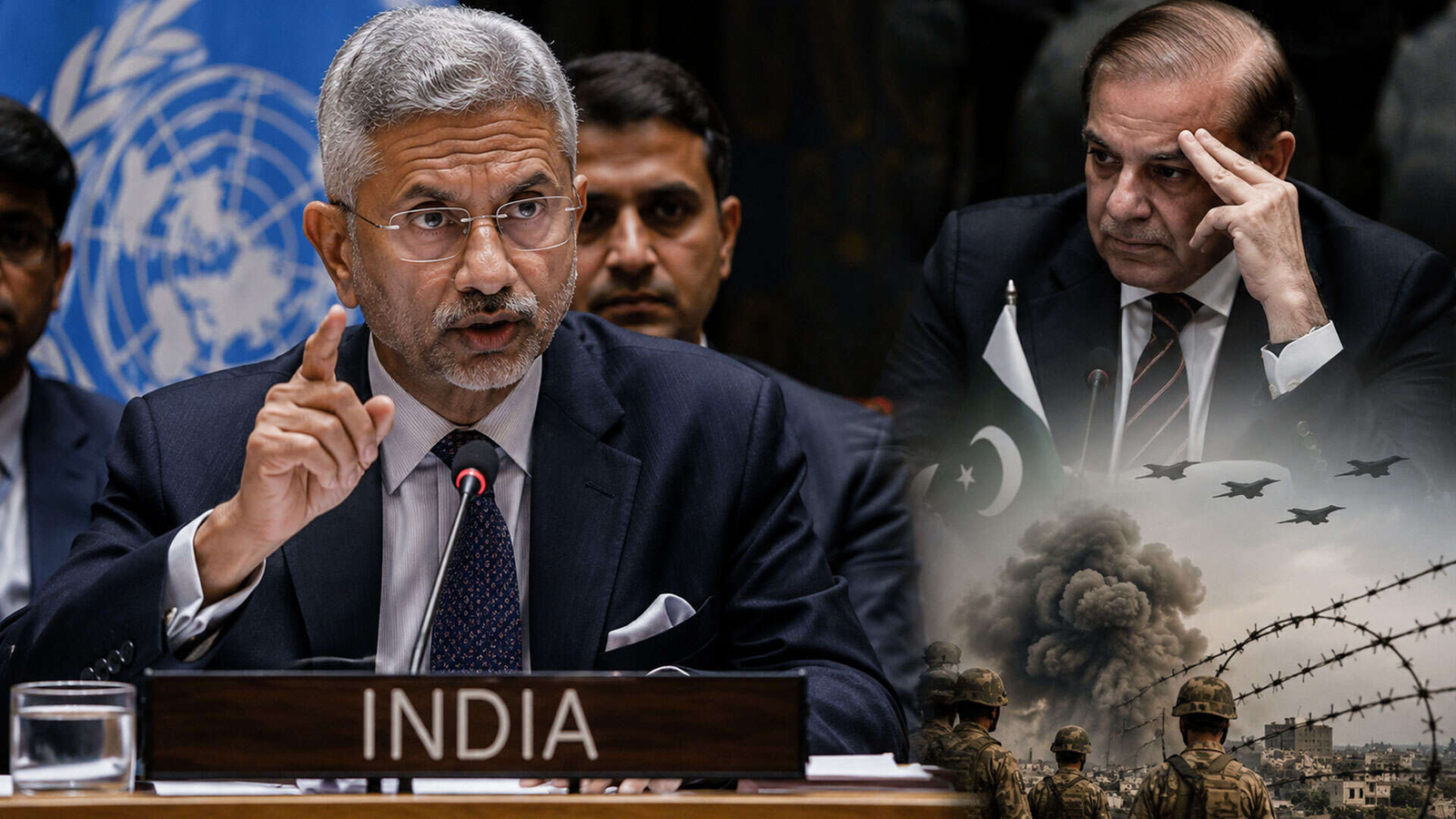
NEW YORK , India used a Right of Reply at the United Nations General Assembly on Saturday, September 26, 2026, to deliver a forceful rebuttal to remarks by Pakistan’s prime minister and to restate New Delhi’s long standing accusations that Islamabad tolerates or supports cross border terrorism.
What was said at the UN
Petal Gahlot, First Secretary at India’s Permanent Mission to the United Nations, answered Pakistan’s address with sharply worded criticism. Gahlot accused Pakistan of pursuing a “long standing practice of cross border terrorism,” and warned that continued support for militants would not go unanswered. The reply rejected Pakistan’s narrative on Kashmir and other bilateral disputes, and insisted that India retains the sovereign right to defend its people and its territory.
Context and recent history
The exchange took place against the backdrop of broader tensions that have persisted since a violent attack in Pahalgam in April 2025, which killed tourists and provoked a major military and diplomatic escalation. India launched operations against what it described as terrorist infrastructure in May 2025, and relations have remained volatile since then. Pakistan has repeatedly accused India of disproportionate action and has raised concerns about water security, including references to the Indus Waters Treaty at the General Assembly.
India’s reply avoided detailed engagement with legal arguments about the Indus Waters Treaty, focusing instead on what New Delhi described as Islamabad’s record on terrorism and its domestic political arrangements. The tone was pointed, and included references to long standing grievances that India says demonstrate Pakistan’s failure to rein in militants that operate from Pakistani territory.
Why the exchange matters
The Right of Reply at the UN is a formal, if short, procedure. It matters because the General Assembly provides a global stage where states shape international public opinion and test diplomatic narratives. India’s decision to concentrate its response on allegations of state tolerance for terrorism is intended to frame the bilateral dispute as a security problem with regional implications, rather than a purely bilateral disagreement over territory or water.
For New Delhi, shaping the narrative at the UN can influence how partners and multilateral institutions view the risk of future escalations. For Islamabad, publicizing concerns about water and invoking international law are ways to broaden support and attract international attention to Pakistan’s claims.
Immediate reactions and possible consequences
Indian media and analysts described the reply as unambiguous and strongly worded. Pakistani authorities, in turn, have continued to warn about the strategic sensitivities of water sharing and other issues, saying in earlier remarks that attempts to impair Pakistan’s share of Indus waters would be treated as an act of war. The exchange at the UN is likely to harden positions on both sides and complicate diplomatic deescalation in the near term.
Beyond rhetoric, analysts say the concrete consequences will depend on whether the two governments choose to reengage through backchannel diplomacy or allow the dispute to widen into other domains such as trade, transboundary water management, or multilateral forums. India has in recent months reiterated that it prefers bilateral resolution of outstanding disputes, but it has not ruled out defensive measures it deems necessary to protect national security.
What to watch next
Watchers of South Asian diplomacy will look for several near term signs. First, whether either New Delhi or Islamabad seeks third party mediation or international fact finding on allegations of cross border support for militants. Second, whether bilateral channels reopen for talks on the Indus Waters Treaty and other technical issues. Third, whether the rhetoric at international fora escalates into sanctions, trade measures, or changes to security postures along the border.
For the international community, the exchange serves as a reminder that longstanding rivalries in South Asia are not confined to bilateral capitals. They can surface at global meetings, shaping debate and strategic calculations among major powers and regional partners.
Bottom line
India’s Right of Reply on September 26, 2026 reaffirmed New Delhi’s long standing claims that Pakistan has, at times, used militant groups as instruments of state policy and that such practices will generate consequences. The encounter at the UN underscores that both nations are pursuing international audiences as they press competing narratives. The next phase of interaction will determine whether the confrontation remains rhetorical or moves into more consequential diplomatic or security steps.