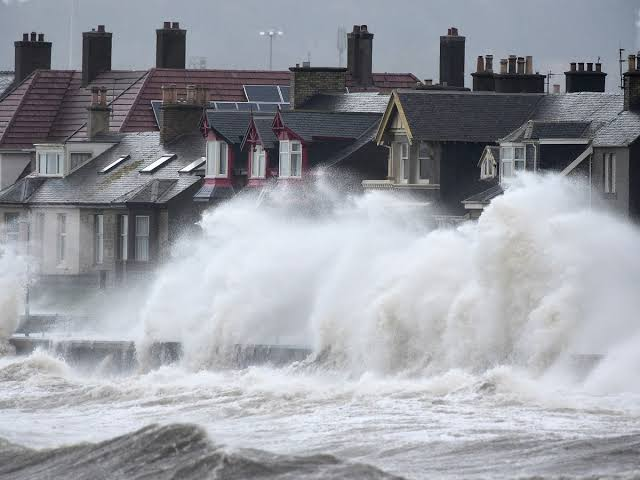
Powerful winds that swept across central and northern Alberta on October 14 and 15 led to scattered power outages, hazardous travel and short interruptions to advance voting ahead of the province’s October 19 referendum. The most direct electoral impact was a weather driven blackout that forced Elections Alberta to temporarily close two advance voting locations in the Athabasca-Barrhead-Westlock electoral division.
What happened
Environment and Climate Change Canada issued wind warnings for parts of central and northern Alberta as gale force gusts moved through the region. Utility outage maps and local reports show thousands of customers lost electricity at the peak of the event, with Fortis and ATCO customers among those affected.
Elections Alberta confirmed that a power outage caused by high winds disrupted advance voting at the Athabasca Seniors Centre in Athabasca and at the returning office in Clyde, at 4714 50 Street. Officials posted notices on the doors of the affected sites and asked electors to return once power had been restored.
How election officials responded
Elections Alberta issued a notice to electors explaining that the outage temporarily prevented voting at the two locations, and directed voters to check for updates and return when services were restored. The agency also reminded electors that advance voting runs through October 17, offering additional opportunities to cast ballots before the referendum on October 19.
Returning officers and local staff were deployed to post signage at affected sites and to answer questions by phone through Elections Alberta service lines. The agency said affected locations would reopen once electricity returned and that operating hours could be extended to compensate for lost time, consistent with standard contingency procedures used when advance voting is interrupted.
Scale and broader impacts
Utility reporting and regional radio coverage indicate the outages were dispersed across central and northern communities rather than concentrated in a single urban area. One regional utility reported several thousand customers without power near Athabasca at the height of the storm, while local transport authorities warned of hazardous driving conditions on Highway 16 and other major corridors.
Flight schedules and other services experienced delays in some parts of the province as crews worked to restore power and clear wind related debris. Emergency management authorities and road services urged residents to avoid unnecessary travel until conditions moderated, and to secure loose outdoor items that can become projectiles in strong gusts.
Why this matters
The disruption illustrates how extreme weather can affect electoral operations even during a short window of advance voting. When advance voting is used to smooth demand and provide alternatives to voting on a single election day, interruptions on those days can concentrate pressure on remaining polling opportunities and on mail voting timelines.
For affected electors in Athabasca-Barrhead-Westlock, the key remedies are straightforward and time sensitive: return to an advance site after power is restored, use another advance location within the same electoral division, or rely on special ballot options where eligible. Elections Alberta’s advice to check the Where to Vote tool and to contact the service centre reflects those alternatives.
Context and what to watch
Advance voting for the provincewide referendum runs through October 17, with Election Day scheduled for October 19. Voters who cannot make an advance poll because of weather interruptions still have the option to vote on Election Day at their assigned polling place, or to use special ballot arrangements where applicable, provided they meet the deadlines for those services.
Utility companies and Environment and Climate Change Canada continue to monitor the Alberta weather pattern. Residents and voters in exposed communities should watch local forecasts and utility outage maps, and follow updates from Elections Alberta about any further polling disruptions or adjusted hours.
Election administrators say contingency plans exist for routine weather interruptions, but the incident is a reminder of the practical challenges election authorities face when severe weather and concentrated voting windows coincide.