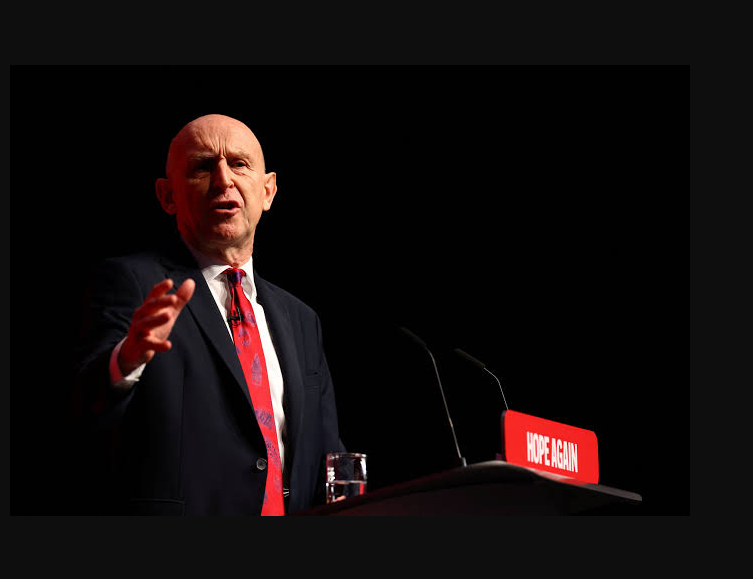
Chancellor John Healey has left open the prospect of raising taxes on Britain’s banks in his first Autumn Budget on October 28, a development that has rattled financial markets and provoked swift pushback from industry groups and international institutions. Reports on October 16 say reversing earlier cuts to the bank surcharge is among the options being considered to raise additional revenue for the Treasury.
What was reported and why it matters
Multiple outlets reported this week that the Treasury has been examining whether to increase the bank surcharge, a supplementary tax on banking profits that currently stands at 3 percent on top of the headline corporation tax rate. Reinstating a higher surcharge could generate more than 2 billion pounds a year for public finances according to the reporting. The option is being discussed against a backdrop of elevated government borrowing costs, higher energy prices following the conflict in the Middle East, and limited appetite to raise headline income tax rates.
The proposal matters because it would directly affect the effective tax rate on banks, alter the economics of the UK financial sector and could influence lending, investment and employment decisions by major lenders. Bank executives and trade bodies have warned that higher targeted taxes risk weakening the competitiveness of the UK financial centre just as global competition for capital and jobs intensifies.
Immediate market and industry reaction
News of the potential surcharge rise triggered falls in shares of major UK lenders on the morning of October 16. Investors priced a higher policy risk into bank valuations, reflecting concerns that an increased tax burden would reduce profitability and possibly prompt some activity to migrate to other jurisdictions. Specialist challenger banks and mid sized lenders have also raised the threshold at which the surcharge applies as an alternative request, seeking relief from disproportionate impacts on their businesses.
Banks and industry groups have been active in lobbying in recent days. Trade body representatives argue that raising bank specific taxes would discourage investment and could have negative knock on effects for credit availability to households and companies. Some bank leaders reportedly sought meetings with Treasury officials to press their case ahead of any formal announcement.
International perspective and fiscal trade offs
The International Monetary Fund publicly urged caution on October 16, advising the UK to favour broader tax reforms and targeted spending changes over a sector specific tax increase. The IMF said measures such as property tax reform, broader consumption taxes or better targeted welfare adjustments could be preferable to lifting bank only levies, which carry the risk of distorting market behaviour and investment decisions.
The IMF intervention underscores a central fiscal trade off for Healey. A bank surcharge increase would be politically attractive because it targets profitable firms and could deliver quick revenue. However it would also heighten disputes over competitiveness and might reduce longer term tax receipts if it changes the location or behaviour of taxable activity.
Options on the table and affected groups
Reports suggest the Treasury is weighing several variants rather than a single fixed plan. One option is reversing previous cuts that lowered the surcharge to 3 percent, taking it back toward the 8 percent level that applied in earlier years. Another is a more modest rise of a couple of percentage points, or tightening the treatment of reliefs and thresholds so larger banks bear a greater share.
The distributional effects vary by option. A full return to an 8 percent surcharge would raise significantly more revenue but would also markedly increase the headline effective tax rate on large banks. Smaller banks and specialist lenders want the profit threshold at which the surcharge applies raised, a change that would shield many younger or smaller institutions while focusing the increase on the very largest firms.
Why Treasury may prefer bank focused measures now
Policymakers face constrained choices. Chancellor Healey has signalled he will not raise the main rates of income tax or national insurance in this Budget, leaving the Treasury to find revenue through other channels. With gilt yields higher than at the start of the year and energy driven spending pressures increasing borrowing requirements, targeted business taxes are seen as politically viable and quick to implement.
Supporters of a surcharge rise argue that banks have benefited from higher net interest margins in the recent rate cycle, generating unusually strong profits, and therefore can shoulder a higher contribution without harming consumers if implemented carefully. Critics counter that banks transmit costs to consumers and businesses and that higher bank taxes could feed through into loan pricing and reduced credit supply.
What to watch next
The Chancellor’s official Budget statement on October 28 is the decisive milestone. In the coming days expect more detailed lobbying from the banking sector, commentary from economic forecasters and further public statements from international institutions. Market moves in bank stocks, gilt yields and sterling will be sensitive to any incremental signals about the size and scope of a planned surcharge change.
For businesses and households, the key questions are how any additional bank taxation would affect the cost of borrowing and whether the government will pair revenue measures with policies designed to protect credit availability and investment. The Treasury’s published Budget documents and the Office for Budget Responsibility’s costing of measures will be crucial to assessing the size and permanence of any change.
As the UK approaches the Autumn Budget, the administration must balance immediate fiscal needs with the long term competitiveness of the financial sector that underpins much of the country’s capital markets and corporate financing. The decision will illuminate Chancellor Healey’s approach to reconciling those priorities under tight fiscal conditions.