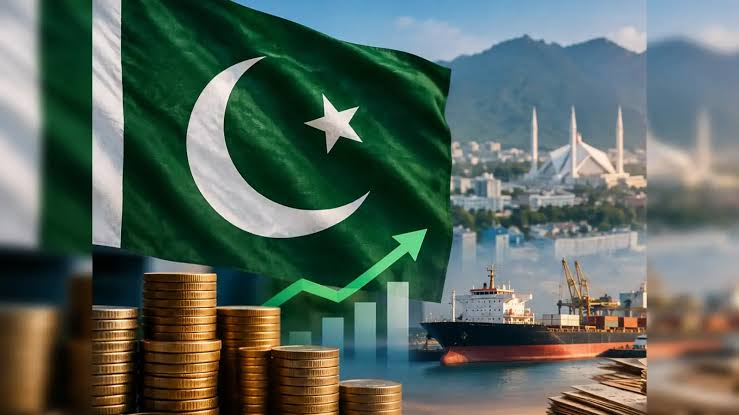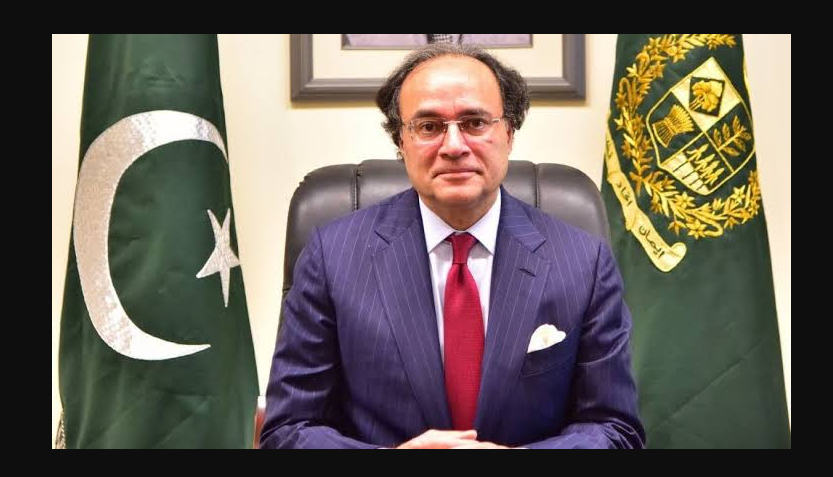
At the World Bank Group and International Monetary Fund annual meetings in Bangkok on October 15, 2026, Pakistan’s finance minister Muhammad Aurangzeb carried out a focused outreach campaign aimed at widening the country’s financing toolkit. Discussions with US State Department officials, multilateral representatives and credit rating and investor groups included the prospects of Boeing aircraft financing, formal rules for digital assets, and experiments with tokenised Eurobonds intended to attract new pools of capital.
What was said and who was involved
According to official Pakistani statements and contemporaneous press reporting, Aurangzeb met Hugo Yon, principal deputy assistant secretary for economic, energy, and business affairs at the US State Department, and held separate engagements with IMF and investor representatives. The finance ministry accounts say the meetings covered Boeing aircraft acquisition and financing, aviation clearances, avenues for investment financing including the US Development Finance Corporation and EXIM Bank, and ways to mobilise private capital for strategic projects including mining and energy supply diversification.
Media outlets and the finance ministry also reported that digital asset regulation and potential applications of remittance and Eurobond tokenisation were discussed. The framing from Pakistani officials emphasised that these measures are part of a broader strategy to secure longer maturity, lower cost financing while protecting foreign exchange reserves and meeting IMF programme commitments.
Why these items matter for Pakistan’s finances
Pakistan is operating under an IMF-supported programme that conditions access to international funding on fiscal, revenue and structural reforms. Securing lower cost external financing and extending debt maturities are central to reducing rollover risk and stabilising the external position. An acquisition of aircraft through preferential export or development financing would reduce short-term pressure on the country’s balance of payments provided the financing terms and disbursement schedule limit immediate foreign currency demands.
At the same time, exploring tokenised Eurobonds and formal oversight of digital assets speaks to two simultaneous priorities: tapping new investor bases through digital infrastructure, and bringing opaque or informal flows into regulated channels. Tokenisation could shorten settlement timelines, broaden investor access, and permit fractional ownership structures attractive to global investors, but it introduces operational, legal and regulatory challenges that Pakistan would need to resolve before material issuance.
Potential benefits and the risks regulators must manage
Benefit: Diversification of creditors and instruments. Pakistan has repeatedly signalled an intent to move beyond short term commercial borrowing toward instruments such as Sukuk, Panda bonds, and other dollar settled rupee-linked bonds to lower borrowing costs and extend maturities.
Benefit: Access to new investor segments. Tokenised bonds and regulated digital asset frameworks could open access to fintech investors and institutional allocators seeking novel, programmable instruments.
Risk: Legal and market infrastructure. Tokenisation requires clear securities law treatment, custody rules, and trusted on and off ramps between tokenised securities and fiat. Without robust frameworks, issuance could face legal disputes or fail to attract high quality demand.
Risk: FX and contingent liabilities. Aircraft financing backed by concessional loans or export credit can be beneficial, but large off balance sheet guarantees or poorly structured leases could create future external liabilities and pressure reserves if not carefully managed.
How this fits into Pakistan’s current reform and financing landscape
Pakistan’s outreach at the annual meetings builds on recent staff level agreements with the IMF that unlocked tranche disbursements, and on government efforts to show sustained implementation of revenue and fiscal reforms. Officials highlighted recent progress in boosting reserves, achieving primary surplus targets, and a declining debt to GDP ratio. These indicators are the primary signals investors and multilateral lenders watch when considering new financing lines, whether traditional Eurobonds or novel tokenised offerings.
Conversations with US finance and investment entities, including the Development Finance Corporation and EXIM Bank, also indicate Islamabad is asking for project level and export credit solutions to underpin infrastructure and aviation needs. For Pakistan, success will depend on producing credible, binding financing plans and transparent legal frameworks so that new instruments complement, rather than complicate, the IMF programme and domestic fiscal consolidation.
What to watch next
Investors and market watchers will look for concrete follow ups: memoranda of understanding, term sheets for any Boeing financing, or formal policy papers on tokenised securities and digital asset oversight from the finance ministry or the Securities and Exchange Commission of Pakistan. Implementation details will determine whether these discussions translate into new, durable access to low cost, long term financing, or remain exploratory diplomacy at an international meeting.
For Pakistan’s economy the stakes are high. If well executed, these financing avenues could ease rollover pressure and support investment in productivity enhancing assets. If not, ill-timed or poorly structured deals could add longer term contingent risks to public finances and reserve management.