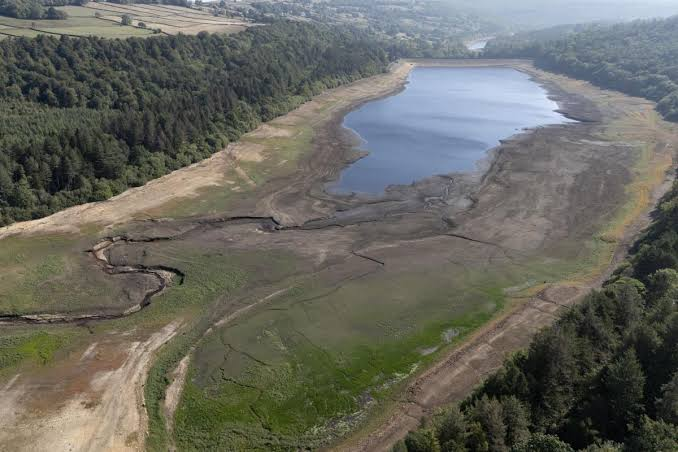
The Environment Agency has formally declared a drought in Yorkshire on 9 October 2026, citing persistently low reservoir stocks and reduced river flows following a prolonged period of below average spring and summer rainfall. The agency said the move reflects continuing pressure on water resources despite some recent rain, and places the region alongside much of central, southern and eastern England already classified as being in drought.
What the declaration means
Under the Environment Agency framework, declaring drought is a response to sustained water stress that requires heightened management and co ordination. The designation does not automatically impose new legal restrictions on household water use, but it initiates a series of actions to protect supplies and the environment. These include increased environmental monitoring, weekly meetings of the National Drought Group, closer scrutiny of water company drought plans, and readiness to implement targeted measures such as temporary restrictions or drought orders if conditions worsen.
The Agency said its National Drought Group, which brings together government departments, regulators, water companies, environmental and agricultural bodies, and river users, will meet weekly to review conditions and co ordinate interventions. The Agency also urged members of the public to report environmental incidents such as fish distress or algal blooms through its 24 hour hotline.
Why Yorkshire reached drought status
Officials point to an extended dry spell across the spring and summer of 2026 that left some reservoirs and river systems unusually low for the time of year. Although there has been intermittent rainfall in recent weeks, it has not been enough to restore storage levels or river flows to typical seasonal norms. The Environment Agency and water companies use a combination of metrics including reservoir stocks, river flow gauging, groundwater levels and predicted demand to determine when an area should be escalated from prolonged dry weather to drought status.
The declaration follows earlier drought and prolonged dry weather designations elsewhere in England. The Agency noted the regional picture remains mixed, with the North East and North West of England described as remaining in prolonged dry weather rather than full drought at this time.
Practical consequences and next steps
For most households the immediate effect will be to increase public awareness and to encourage water saving. Local water companies already operating drought plans may accelerate leak detection and repair work, move to temporary supply management arrangements where necessary, and step up communications with customers about voluntary and mandatory measures if the situation deteriorates.
The Environment Agency emphasised that the declaration enables a more intensive focus on environmental impacts. That includes additional surveillance of rivers and reservoirs, targeted actions to protect sensitive habitats, and coordination with farming and fisheries groups to reduce harm to wildlife and livelihoods. If conditions continue to worsen, regulators may consider formal restrictions such as temporary prohibitions on certain abstractions or the application for drought orders which can allow more intrusive measures to protect drinking supplies and the environment.
Responses from stakeholders
Water companies serving Yorkshire, who have in previous months reported low reservoir stocks and taken steps under their drought plans, said they continue to monitor supplies closely and work with the Environment Agency. Representatives of farming and angling groups have warned that sustained low flows and warm water can increase fish mortality and harm crop irrigation, calling for rapid action to protect vulnerable ecosystems and livelihoods.
Environment officials stressed that public behaviour matters. Simple measures such as fixing household leaks, reducing unnecessary outdoor water use, and following guidance from local water providers can reduce pressure on supplies while agencies pursue longer term options.
Context and outlook
England has seen recurrent episodes of water stress in recent years, driven by a combination of variable rainfall, hotter periods, and rising demand. The Environment Agency has increased environmental monitoring and planning to manage these risks, but the declaration in Yorkshire underlines how even areas with substantial water infrastructure can face shortages when seasonal rainfall patterns change.
The immediate outlook will depend on autumn and winter rainfall and on how effectively water companies and regulators deploy existing drought management measures. The National Drought Group will review new data weekly and publish updates as the situation evolves. For now the Environment Agency and partners are prioritising early action to reduce environmental harm and preserve public water supplies while urging communities to conserve water where possible.