China embraces Putin’s planned attendance, frames it as constructive diplomacy
Beijing’s foreign ministry on Saturday publicly welcomed Russian President Vladimir Putin’s indication that he intends to attend the Asia Pacific Economic Cooperation leaders meeting in Shenzhen on November 18 and 19. The ministry said China stands ready to work with Moscow for "fruitful outcomes" of the APEC China year, signalling that Beijing sees the Russian leader’s presence as supportive of its agenda for the summit.
The comments were delivered at the ministry’s daily briefing and were posted on the ministry’s English language website. The statement followed Russian media coverage of a recent Kremlin message in which Mr Putin said he expected a meeting with China’s president at the forum would prove productive. China’s response amounts to formal acknowledgment from the host of the APEC leaders meeting that Moscow plans to send a high level delegation.
Why the attendance matters
The presence of Russia’s head of state at APEC would carry diplomatic weight for several reasons. APEC is foremost an economic forum where leaders discuss trade, investment, supply chains and regional cooperation. Hosting Mr Putin in Shenzhen gives China an opportunity to shape the summit’s tone and priorities while demonstrating Beijing’s ability to convene major powers despite strained ties between some members and Russia.
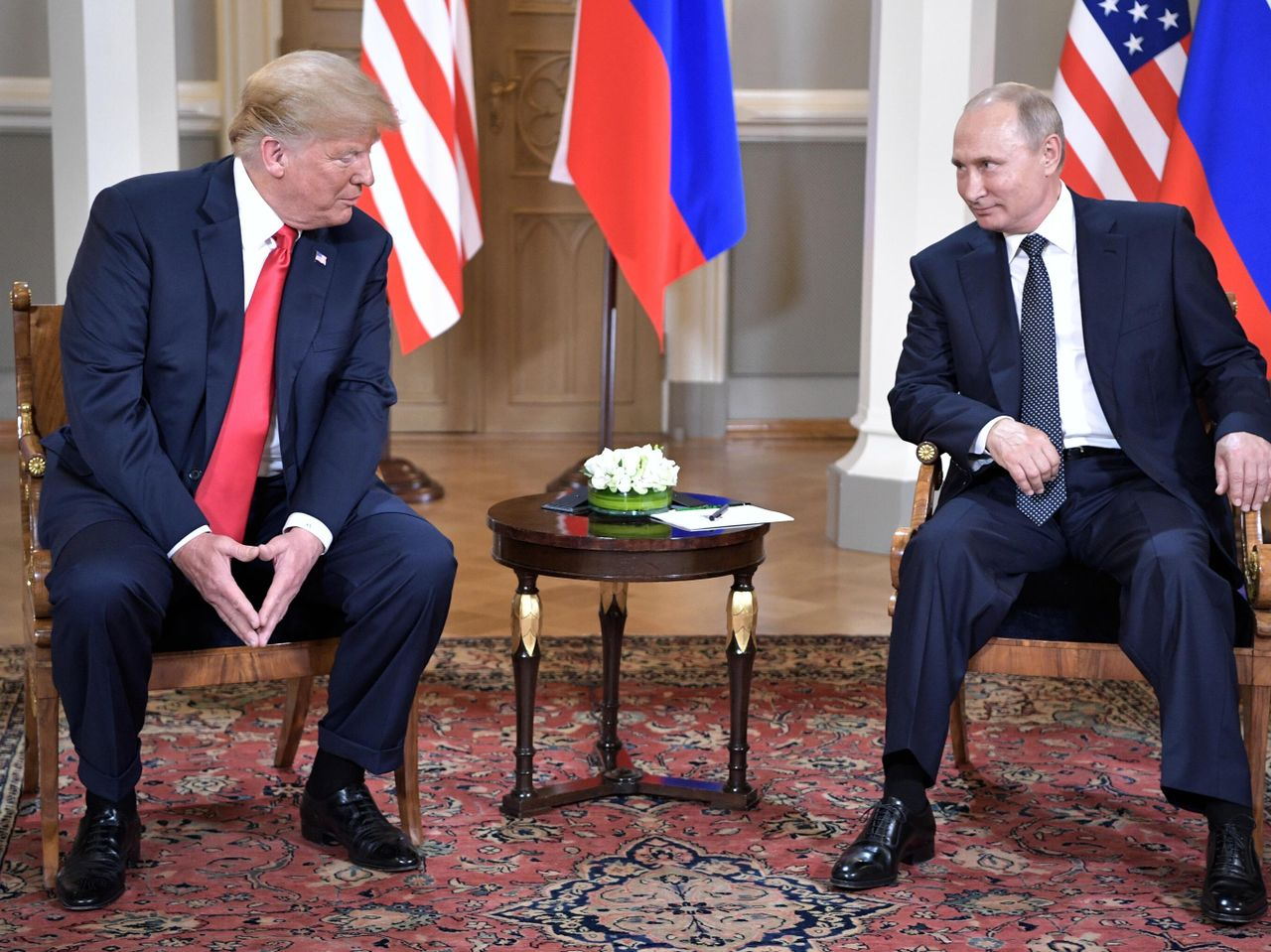
Beyond the agenda items, attention has centred on a more consequential possibility: the staging of a three way meeting involving presidents from Russia, China and the United States. In recent weeks Kremlin aides and Russian state media have said a trilateral encounter is conceivable on the sidelines of the Shenzhen meeting if all sides agree. The United States has not formally confirmed plans for such a meeting, but the suggestion has sparked intense media and diplomatic speculation because of what a face to face summit involving the three leaders could mean for major geopolitical disputes, from the war in Ukraine to trade and technology competition.
An opportunity and a test for Beijing’s hosting role
For Beijing, the arrival of President Putin presents both an opportunity and a test. As host, China can showcase its economic dynamism and organisational capacity by staging a secure and smoothly run summit. It can also use high level diplomacy to press priorities it has promoted during its APEC year, including initiatives on trade facilitation, supply chain resilience and digital governance.
At the same time, convening leaders with sharply different strategic orientations places a premium on crisis management and careful choreography. Any expectations of breakthrough agreements across deeply contested areas are likely to prove unrealistic, but even a modest set of understandings or an agreed framework for further dialogue could be presented by Beijing and Moscow as diplomatic progress.
Regional and international implications
A Putin attendance and a potential trilateral meeting would reverberate beyond APEC. Observers note that such encounters, even if short and tightly scripted, can reset diplomatic dynamics. For European and Indo Pacific governments concerned about Russia’s actions in Ukraine, the optics of Moscow sitting alongside China and potentially the United States at a high profile regional forum will be closely scrutinised.
For U.S. policymakers, the possibility of bilateral or multilateral conversations with Beijing and Moscow in Shenzhen creates both an opening and a dilemma. Officials will weigh whether engaging directly on narrow, transactional issues could yield deescalation in certain areas, or whether face time risks lending political cover to actions Washington opposes.
What to watch next
Over the coming weeks, diplomats and journalists will look to several signals. First, formal confirmations from the three capitals about leader level attendance and any side meeting schedules will determine whether speculation becomes reality. Second, the agendas for ministerial and senior officials meetings ahead of the leaders meeting will indicate whether there is tangible substance that could underpin higher level encounters. Third, logistics and security arrangements in Shenzhen will be monitored given the size and sensitivity of the event.
China’s formal welcome of Putin on October 3 makes Moscow’s participation more visible and raises the probability that the Shenzhen meeting will be among the most closely watched multilateral gatherings of the year. How Beijing manages the optics and the substance will matter for regional diplomacy and for perceptions of China’s role as event host and international broker.
Reporting note: this article is based on the Chinese foreign ministry’s October 3 statement and contemporaneous reporting from independent regional news outlets covering Russian and APEC developments. The ministry’s posting was updated at 19:31 China standard time on October 3, 2026.