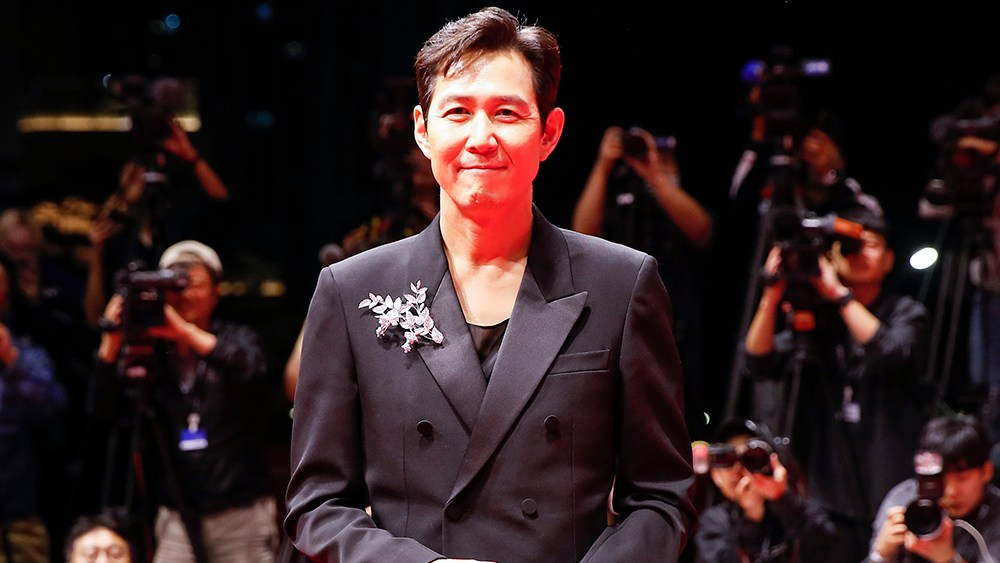
The 31st Busan International Film Festival has recorded a robust audience surge in its opening days, organizers said on October 13, as the festival and its industry counterpart, the Asian Contents and Film Market, enter their final sessions. The interim tally released by festival officials shows more than 50,000 attendees at program events within the first five days, a number that already eclipses last year’s overall program attendance and signals strong commercial and industry interest heading into the awards announcements and closing ceremonies.
What changed at Busan this year
This edition of Busan opened on a Tuesday for the first time and expanded screenings in busy calendar slots to five per day between Thursday and Sunday. Festival organizers credited that scheduling change, together with a lineup that mixes major international names and regional premieres, for the higher throughput at open talks, Cine Classes and outdoor stage events at the Busan Cinema Center and other city venues.
The festival’s elevated profile is not only local. This year BIFF was formally upgraded to A-list festival status by the International Federation of Film Producers Associations, a designation that brings a new practical benefit: the Busan Award winner for Best Film will be eligible for submission to the Academy Award category for Best International Feature Film. That upgrade makes Busan a more consequential launchpad for Asian features seeking global executive interest and awards-season exposure.
ACFM finishes with a larger industry turnout
The Asia Contents and Film Market, which runs alongside BIFF and focuses on business-to-business activity for film and series rights, concluded its four-day marketplace on October 13. Organizers reported roughly 3,000 industry professionals from more than 1,200 companies across nearly 60 countries participated in panels, pitch sessions and sales meetings. The market’s programming highlighted co-production opportunities, IP adaptations, and debates on generative AI tools in content creation, reflecting urgent commercial questions for buyers and producers in the region.
Within the market, several projects with direct ties to Korean companies drew attention. South Korean sales houses and production firms used the marketplace to showcase titles and pick up regional partners, underscoring Busan’s role as a crossroads for deals that determine release plans for the coming year.
Busan Awards, jury and consequences for upcoming releases
For the first time since the Busan Awards was introduced, a high-profile international jury led by Zhang Yimou is preparing to select winners across five categories, including Best Film, Best Director, Jury Special Award, Best Actor and Artistic Contribution. The jury’s decisions, due to be announced at the closing ceremony, will determine which films receive amplified festival visibility and the new avenue to Oscar eligibility for the Best Film winner.
That structural change is likely to influence how filmmakers, producers and distributors plan release windows and submit titles next season. A Busan Award, combined with A-list festival recognition, supplies a twofold benefit: raised critical attention at festivals and a clearer path for distributors to position a title for international markets and awards campaigns. For domestic South Korean films as well as regional co-productions, the prize could alter sales valuations and festival strategies through 2027.
Why this matters for upcoming movies and series
Two practical effects matter to producers and audiences. First, industry buyers at ACFM take festival awards into account when pricing rights and scheduling releases. A film that wins at Busan now carries greater leverage in negotiations because of the Oscar eligibility and the A-list status of the festival. Second, filmmakers who use Busan to premiere titles can expect more sustained attention from international press and programmers during the awards season.
Beyond feature films, the market’s emphasis on IP adaptation and microdrama formats means series producers also stand to benefit. Series that secure co-production partners or pre-sales at ACFM can use the festival’s momentum to accelerate production timelines or arrange territory-by-territory rollouts. The convergence of award attention and marketplace deals at Busan effectively shortens the feedback loop from festival acclaim to commercial exploitation.
What to watch in the coming days
The immediate developments to monitor are the Busan Awards winners, which the jury will announce at the festival’s closing ceremony on October 15. Expect industry reaction in the form of quick sales announcements and reconfigured release plans for winners and runners-up. In the weeks after Busan, distributors who attended ACFM will begin moving titles into festival circuits and negotiating international release windows for films that emerged as market standouts.
For audiences interested in where Asian films and series will land next, Busan’s combination of a record opening week, the first Busan Awards under A-list status, and the market’s concentrated dealmaking marks a material shift. The festival’s choices this year will be a clear signal of which titles, creators, and co-production models are most likely to shape the upcoming release calendar across Asia and beyond.