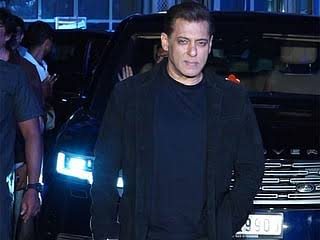
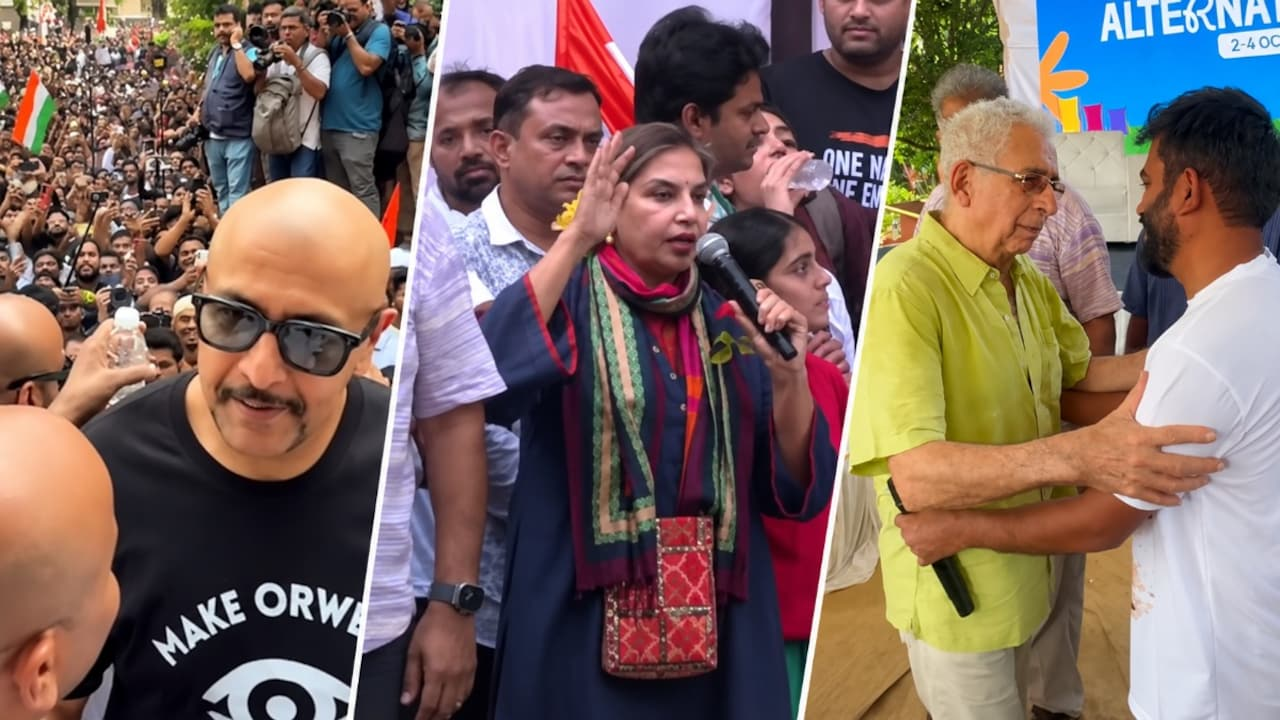
Mumbai’s iconic Shivaji Park saw a high profile public show of support from prominent film and music personalities on October 2, 2026, when a Cockroach Janta Party gathering drew several notable Bollywood figures. Though the Mumbai police had formally denied permission for the assembly, veteran actors and entertainers turned up to stand alongside organisers pressing for the resignation of Chief Election Commissioner Gyanesh Kumar.
Who attended and what they demanded
Among those reported at the site were veteran actors and theatre stalwarts, plus well known musicians and composers. Their presence amplified the political visibility of the CJP event, which focused on alleged irregularities within the Election Commission and called for accountability at the highest level. Organisers said the protest was a peaceful expression of democratic concern and explicitly demanded Gyanesh Kumar step down.
Police permission, legal limits, and local pushback
Mumbai Police had earlier communicated that it was not empowered to grant permission for a gathering at Shivaji Park under an existing Bombay High Court ruling and municipal rules that restrict non sporting use of the ground. The authorities also cited concerns about noise, traffic, and public safety in the dense residential locality surrounding the park.
The denial of permission did not prevent the event from taking place. Officials coordinated crowd management measures around the area, and accounts from the scene describe both supporters and local residents confronting the organisers. Some residents complained about the disruption and lack of prior municipal clearance for the use of the ground.
Turnout, counterprotests, and differing accounts
Coverage from different outlets conveyed mixed impressions of scale. Several mainstream publications reported substantial numbers of attendees and emphasised the symbolic weight of celebrities joining the protest. Other reports portrayed the turnout as uneven, pointing to counter demonstrations and sceptical residents who challenged the organisers on civic grounds. These contrasting narratives underscore the complexities of staging unsanctioned mass actions in constrained urban public spaces.
Organisers plan to escalate
Following the Shivaji Park event, the CJP leadership indicated plans to widen its agitation if its core demand for the Election Commissioner to resign is not met. Leaders signalled a potential move to hold larger demonstrations in Delhi. The organisers framed these next steps as a lawful escalation intended to keep pressure on national institutions, while they insisted their methods would remain non violent.
Why the development matters
The participation of prominent film and music personalities turned a local protest into a broader cultural moment for public debate. Bollywood figures often draw attention to political issues, and their involvement can increase public scrutiny and media coverage. That elevated visibility matters because it can help transform a localized civic dispute into a conversation at the national scale about the integrity and governance of electoral institutions.
At the same time, the episode highlights perennial tensions about where and how democratic dissent should be expressed in India’s cities. Mumbai’s civic rules, court orders, and the realities of residential life create legal and practical limits on large assemblies in certain public grounds. When organisers proceed despite permission denials, questions arise about the balance between the right to protest and the duty to protect public order and neighbourhood life.
What to watch next
Observers will be tracking whether the CJP follows through on plans to stage demonstrations in the national capital if its demand for the Election Commissioner to resign is not met. Authorities in Mumbai and New Delhi will also be closely watched for how they respond to any escalation, including whether they adopt a preventive posture or open channels for dialogue. Finally, the role of cultural figures in political mobilisations will remain an important line of inquiry, as state actors, media outlets, and civil society groups assess the impact of celebrity participation on public opinion and civic outcomes.
The Shivaji Park gathering on October 2 is a reminder that cultural influence and civic activism regularly intersect in India, and those intersections frequently shape the terms of public discourse on institutional accountability and democratic practice.