Bangladesh presses for political solutions as humanitarian aid falters
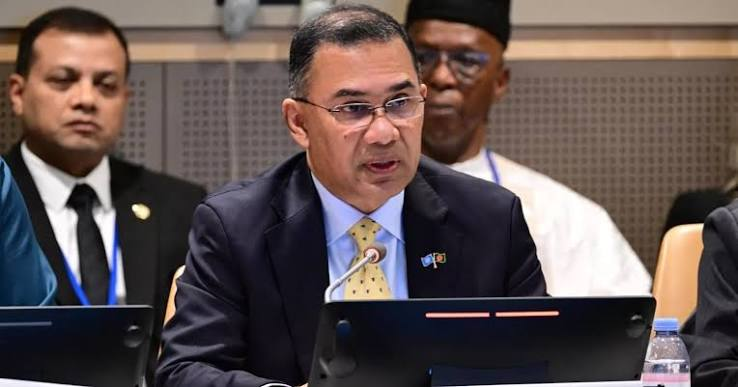
Bangladesh’s permanent representative to the United Nations, Irene Khan, used an interview from New York to restate Prime Minister Tarique Rahman’s urgent appeal for international action on the Rohingya crisis. Khan told the BBC World Service that the world is failing both the refugees and Bangladesh because sustained political commitment and predictable funding are missing, leaving more than 1.2 million Rohingya effectively trapped in camps.
From empathy to a roadmap, the government says
At a high level side event during the UN General Assembly on September 23, Prime Minister Tarique Rahman set out five measures Bangladesh says are needed to move beyond temporary care toward permanent solutions. Those measures include establishing a clear, credible roadmap for early, voluntary, safe and dignified repatriation, ending violence in areas of origin, predictable humanitarian assistance for refugees and host communities, strengthened justice and accountability, and closer regional cooperation to curb transnational criminal networks that exploit displacement.
Why Dhaka is pushing harder now
Bangladesh has hosted Rohingya refugees since the mass displacement beginning in 2017, and successive governments have stressed that the burden of hosting such a large displaced population in a densely populated country is unsustainable without a stronger international response. Khan highlighted two linked concerns: first, humanitarian resources have contracted in recent years even as needs remain high; second, without credible political engagement in Myanmar to guarantee safety and rights upon return, repatriation cannot be achieved on a durable basis.
Funding gaps and the risk of ‘‘managing displacement’’
Aid agencies and UN partners have repeatedly warned that the Rohingya response is underfunded and that essential services in camps are at risk when international contributions fall short. Bangladesh officials and humanitarian actors argue that ad hoc assistance perpetuates a cycle of dependence and that long term solutions require both political leverage aimed at Myanmar and steady financing to preserve basic protection, health and education services in Cox’s Bazar and on Bhasan Char.
What Bangladesh is asking of the international community
Khan urged countries with diplomatic or economic influence over Myanmar, regional governments, and larger aid donors to engage in a political process that binds Myanmar to responsibilities for its displaced citizens, and to support interventions inside Myanmar that would create the conditions for return. She also urged Security Council members to move beyond rhetoric, noting that effective action depends on member state coordination and willingness to use diplomatic tools to facilitate a solution.
Implications for Bangladesh and the region
For Dhaka, the stakes are both humanitarian and strategic. Hosting the Rohingya has placed pressure on local services and the environment in host areas, while the persistence of displacement complicates bilateral relations with Myanmar and creates space for organized criminal activity to flourish. If international attention and funding wane further, Bangladesh officials warn that humanitarian conditions could deteriorate and tensions with local host communities could rise, with wider regional implications for migration and security.
What comes next
Bangladesh is seeking a more visible and sustained international effort that combines predictable humanitarian financing, diplomatic engagement with Myanmar, and multilateral mechanisms for accountability. The Prime Minister’s proposals at the UN are intended to convert international goodwill into an actionable plan, but success will depend on buy in from a mix of regional and global actors and on demonstrating concrete steps by Myanmar, which remains the linchpin for any return process.
Why this matters now
The Rohingya situation has been one of the world’s most protracted displacement crises. With a new Bangladeshi government publicly pressing for a different approach at the United Nations, there is a renewed push to shift international policy from short term relief toward a political framework that addresses root causes, legal responsibilities and long term protections. How donors and influential states respond in the months ahead will determine whether that push results in a change of course or another year of piecemeal assistance.
As Bangladesh amplifies that message from New York, diplomats and humanitarian agencies are watching for concrete commitments that could translate the proposals into a roadmap acceptable to refugees, host communities and international stakeholders, and that can be verified with guarantees for safety and dignity upon return to Myanmar.