DHAKA, Bangladesh, September 28, 2026 , Bangladesh intensified its push for a structured, long term solution to the Rohingya displacement crisis this week, unveiling a five point plan aimed at creating the conditions for early, voluntary and secure returns. The announcement came as Myanmar released figures it said validate hundreds of thousands of refugees as former residents of Rakhine state, a claim that could become the basis for a phased repatriation if political and security conditions permit.
Five steps at the United Nations
At a high level event at United Nations headquarters, Bangladesh set out a package that combines a practical roadmap for returns with stronger calls for protection, justice and international cooperation. The measures included a clear and credible timeline for voluntary repatriation, guarantees for Rohingya civil and political rights in Myanmar, sustained humanitarian support to both refugees and host communities in Bangladesh, support for justice and accountability mechanisms, and stepped up regional action against trafficking, arms smuggling and cross border criminal networks.
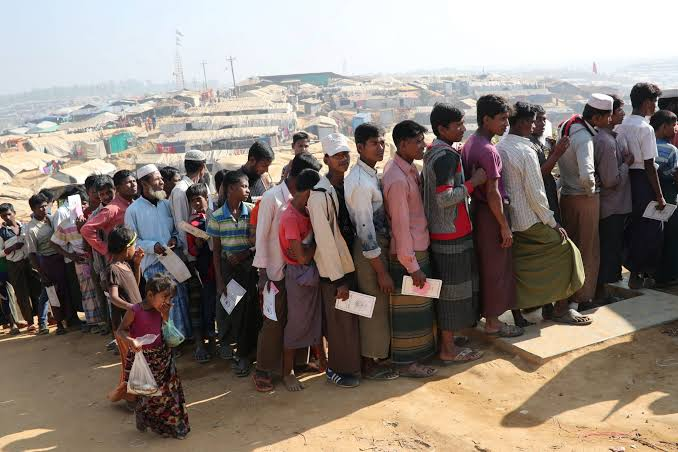
Bangladesh officials said the plan is designed to address both the immediate logistics of returns and the underlying drivers that prevent refugees from going home, including insecurity, statelessness and impunity. The government also emphasised the heavy strain that prolonged displacement places on host communities in Cox's Bazar, citing social, economic and environmental pressures that have grown over nine years of large scale camps.
Myanmar publishes verification numbers
Days after Bangladesh presented its proposal, Myanmar issued a statement saying a verification exercise had identified more than 300,000 people from lists supplied by Bangladesh as former Rakhine residents. Myanmar said it had verified 426,545 names by the end of July and concluded that 308,797 of those verified were former Rakhine residents, while a portion could not be verified and some were flagged as linked to violent activity.
The Myanmar announcement is the most detailed public accounting from Naypyidaw in years and represents a possible diplomatic opening. For Bangladesh, verification by Myanmar could be a necessary but not sufficient step toward returns. The two countries have concluded repatriation arrangements in past decades, but prior exercises faltered amid allegations of coercion and persistent insecurity on the Myanmar side.
Why verification alone will not be enough
Policymakers and aid agencies caution that verification lists do not guarantee safety. Refugees and their advocates point to continued restrictions on citizenship, movement and basic rights for Rohingya in Myanmar, as well as the lack of credible security guarantees. International legal processes are also ongoing and remain central to Bangladesh's demand that returns be linked to accountability for the mass displacement in 2017 and earlier abuses.
Humanitarian actors have repeatedly underscored the need for returns to be truly voluntary, accompanied by independent monitoring, and sequenced with durable political reforms inside Myanmar. Without those safeguards, observers warn that repatriation risks repeating cycles of displacement and human rights violations.
Practical hurdles on the ground
Beyond politics and security, practical obstacles remain formidable. Large scale returns require reliable documentation, transport arrangements, access to health and services at return sites, and rebuilding of homes and livelihoods in areas where many communities remain fragile. Bangladesh has pointed to the urgent need for predictable international funding to support both returns and resilience investments for host communities that have absorbed hundreds of thousands of refugees.
Local officials also highlight environmental pressures. Camps and surrounding areas in Cox's Bazar face deforestation, water stress and erosion that complicate both long term hosting and eventual return planning. Those realities shape Bangladesh's argument that any successful process must pair repatriation with significant international investment in stabilization and reconstruction inside Myanmar's Rakhine state.
What comes next
The coming weeks are likely to see intensified diplomatic activity. Bangladesh will press for international backstopping of any repatriation plan, including independent verification mechanisms, monitoring of human rights and security guarantees. Myanmar's verification figures give negotiators a technical basis for mapping potential returnees, but critics say that figure will have to be matched by demonstrable improvements on the ground.
For many Rohingya, the prospect of returns remains uncertain. Refugee representatives have repeatedly voiced reluctance to return without firm legal protections, proof of citizenship or nationality status, and credible guarantees of safety. International judicial and investigative mechanisms continue to pursue accountability claims, and those processes will influence the political environment around any negotiated return.
Bangladesh has framed its five point plan as an attempt to break the current stalemate by aligning immediate humanitarian needs with longer term political and security reforms. Whether that approach can bridge the yawning trust gap between displaced Rohingya, Bangladesh and Myanmar will depend on sustained international engagement, transparent monitoring, and clear improvements in conditions inside Rakhine state.
The Rohingya crisis remains one of the most protracted displacement emergencies in the world. The diplomatic steps taken this month could mark the beginning of a renewed push toward repatriation, but experts say success will require more than numbers on a verification list. It will take coordinated political will, resource commitments, and verifiable protections for people who have already paid a heavy human cost.