Ukraine probe into protection racket for scam call centers deepens as anti corruption agencies press charges
Ukraine’s high level anti corruption investigation has widened, with prosecutors and the National Anti Corruption Bureau publicly tying senior officials to a network of fraudulent call centers accused of stealing from foreign and domestic victims. The probe has prompted resignations at the Prosecutor General’s Office and new detentions as investigators map how the scheme operated and where proceeds flowed.
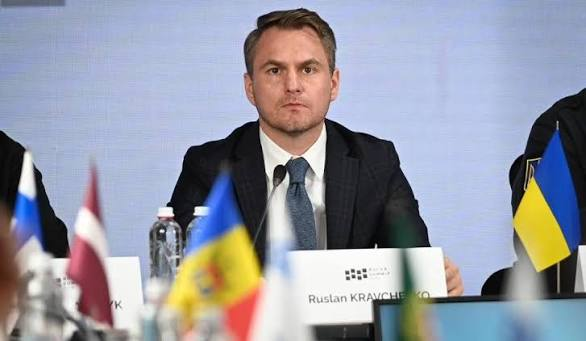
Lead investigators say a coordinated criminal scheme that shielded and profitably protected fraudulent call centers has reached into the Prosecutor General’s Office, prompting a high profile resignation and a series of prosecutions and administrative dismissals across Kyiv and regional offices. The case, described by Ukrainian anti corruption investigators as a protection racket, centers on call centers that placed scripted investment and tech support calls to victims abroad and inside Ukraine. According to investigators, the centers used those calls to lure people into sending money or cryptocurrency to fake platforms, and then laundered the proceeds through a web of accounts and shell companies. H2: From tip lines to a top level probe The National Anti Corruption Bureau of Ukraine and the Specialized Anti Corruption Prosecutor’s Office opened a formal inquiry after months of intelligence gathering and targeted raids. Investigators say recorded conversations and financial traces show employees inside at least one senior office were taking systematic payments in return for preventing law enforcement action against certain call centers. Authorities have made multiple arrests of individuals alleged to be managers or facilitators in the scheme, and they have frozen assets and carried out searches at offices and residences linked to people under investigation. The probe expanded quickly after raids revealed administrative ties and payments that investigators say enabled the call centers to operate with impunity. H2: Political fallout and institutional consequences The scandal produced immediate political consequences. The Prosecutor General resigned after the anti corruption agencies disclosed evidence indicating that a deputy from the Prosecutor General’s Office had been a central figure in the protection arrangement. That resignation has triggered a wider administrative shake up within the prosecutor service, including dismissals and staff changes at regional prosecutor offices. Anti corruption authorities say they will pursue criminal charges where evidence supports them, and they have sought to reassure international partners that the Ukrainian government intends to root out corruption wherever it occurs, including inside powerful state institutions that previously handled cross border legal cooperation. H2: How the scam network worked According to investigators, the call centers carried out a variety of social engineering scams. Operators impersonated bank or government employees, or presented fabricated investment opportunities that required victims to transfer funds or move cryptocurrency into wallets controlled by the fraudsters. In some schemes, victims were pressured to buy gift cards or to approve remote access to devices that allowed attackers to empty accounts. The centers targeted victims in multiple countries, increasing the scheme’s scale and drawing international attention from law enforcement agencies that track transnational fraud and money laundering. Investigators say the centers relied on an organized payment and cashing infrastructure that converted stolen funds into bank transfers and crypto, often moving money through informal channels designed to obscure origin and ownership. H2: Why this matters beyond Ukraine Experts and investigators warn that call center fraud is not just a local problem. When fraudulent networks operate inside a country and enjoy protection from authorities, they become hubs for transnational theft that drain household savings and undermine trust in digital payments and cross border financial systems. European and Israeli authorities have previously flagged similar operations in the region as sources of large scale theft and as facilitators for money laundering. For Ukraine, the case risks eroding reforms delivered since 2022 that aim to strengthen judicial independence and to build credible anti corruption institutions. International partners and financial institutions are closely watching how Ukrainian authorities handle prosecutions, asset recovery and institutional reform in response to the allegations. H2: What investigators say will come next Prosecutors and anti corruption investigators say the case is ongoing and that further arrests, asset seizures and formal charges are likely as forensic accounting and digital trails are processed. Authorities have called for co operation from countries whose citizens were targeted, and said they will pursue the money trail across borders with international policing partners. Investigators also signaled plans to tighten administrative controls inside the Prosecutor General’s Office and to review case assignment and oversight mechanisms that may have allowed abuse of office. Anti corruption officials said their aim is to deliver criminal accountability for those who abused public office and to restore public confidence in the state agencies responsible for fighting fraud. H2: Advice for potential victims As law enforcement pursues the network, specialists reiterate standard fraud prevention advice: do not give remote access to your computer to unverified callers; refuse requests to buy gift cards or transfer funds to unknown accounts; verify requests for official action by calling known agency numbers; and report suspicious calls to national cybercrime hotlines and to local police. The unfolding investigation has underscored how organized fraud can become embedded across institutions, and how restoring integrity will require both criminal prosecutions and structural reforms in public agencies charged with upholding the law.
Topics
LocationProsecutor General's Office, Kyiv