New Delhi braced for large-scale demonstrations on Saturday after organisers called a protest at Jantar Mantar over alleged irregularities in a recent electoral revision. Authorities moved to limit movement across the capital, shutting entry and exit gates at a significant number of Delhi Metro stations and cancelling many long-distance trains bound for New Delhi and Hazrat Nizamuddin stations.
Supreme Court pushes back on blanket curbs
On Friday the Supreme Court intervened, saying security measures must be proportionate and cannot leave commuters without essential transport. A bench led by Chief Justice Surya Kant said there should be no complete prohibition on metro or rail services and asked the central government and local authorities to ensure services continue in a regulated manner so that ordinary citizens are not unduly inconvenienced.
The court made clear it was concerned about the practical effects of broad restrictions, and directed authorities to reconsider planned closures and cancellations so as to avoid bringing the city to a standstill. Senior counsel appearing before the bench assured the court that authorities would try to keep services running in a limited way.
What authorities have done so far
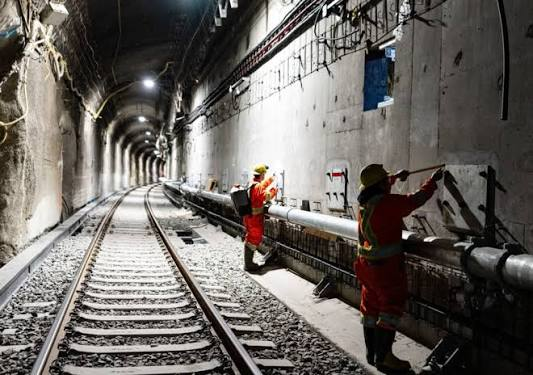
Delhi Police issued orders seeking the closure of entry and exit gates at a large list of stations across the network. Transport agencies initially circulated lists that named dozens of stations where gates would be shut from the night of October 9 until the situation normalises on October 10. Delhi Metro authorities later revised the list and reduced the number of affected stations, while maintaining that interchange facilities would remain in most cases.
Indian Railways announced a suspension of Mail and Express trains scheduled to arrive at New Delhi and Hazrat Nizamuddin stations between 4 a.m. and 2 p.m. on Saturday. The cancellations were described as precautionary measures aimed at avoiding severe road congestion in and around the main railway terminals during the protest window. Several railway divisions reported scores of cancelled services, while some trains were short-originated to reduce traffic into the city.
Security buildup and civic curbs
Alongside transport curbs, police presence across the capital was intensified. Central security forces were deployed to sensitive points and border crossings between Delhi and surrounding districts were reinforced. Authorities also announced restrictions affecting selected markets, some business events and liquor shops in close proximity to the planned protest routes, citing law and order concerns.
Officials said the measures responded to intelligence about large scale mobilisation and the possibility that unauthorised groups would attempt to reach central Delhi from other states. The ministry responsible for internal security warned state governments of potential law and order risks and asked for local preparations.
Political reactions and legal challenges
Opposition parties and civil society groups criticised the scale of the restrictions, saying the measures risked infringing the right to peaceful assembly and would cause undue hardship for commuters and travellers. Several groups moved the Supreme Court challenging aspects of the transport curbs and the denial of permission for the rally, arguing that authorities had been heavy handed.
Organisers of the demonstration said they intended to press ahead with the protest despite the denial of formal permission, and they accused the government of attempting to deter peaceful dissent. At the same time, some national leaders called for restraint and urged both organisers and police to avoid escalation.
Practical impact for commuters
Commuters were advised to check transport notifications closely and allow extra travel time. Officials urged passengers with long distance travel planned for Saturday morning to confirm the status of trains through official railway apps and announcements. Metro users were warned that some interchange stations would operate with limited access, while New Delhi metro station in particular faced more significant restrictions.
Air travellers were told the protests and road restrictions could lengthen journeys to airports from central parts of the capital, and were advised to depart earlier than usual.
Why the court response matters
The Supreme Court intervention highlights an ongoing tension in India between maintaining public order and protecting civil liberties. Courts have in recent years repeatedly emphasised that security measures must be proportionate and that essential services should not be halted to manage protests. By ordering authorities to preserve regulated access to transport, the court sought to balance the state’s duty to maintain order with citizens’ rights to movement and assembly.
As the city moved into Saturday, the situation remained fluid. The balance between ensuring public safety and allowing democratic protest was likely to be tested in the hours ahead, with commuters, organisers and authorities all adjusting plans in response to last minute orders and practical constraints.