MODE opens as the commercial engine of Shanghai Fashion Week
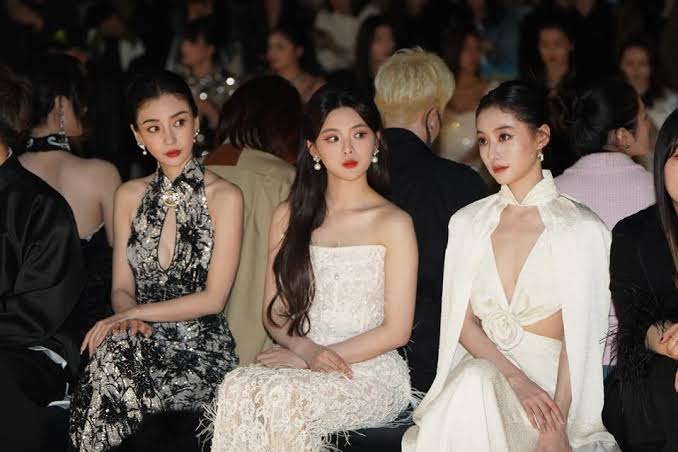
Shanghai Fashion Week’s MODE trade show opened on October 8, 2026 at the Crystal Bridge complex in the city’s Changning district, marking the start of a five day trade and showroom programme that organisers say is designed to translate runway attention into orders and retail partnerships. MODE runs through October 12, and will host showrooms, dealer stands, curated presentations and a slate of international buyers and retail delegates.
What the event brings to the season
MODE is the official trade exhibition that supports the broader Shanghai Fashion Week calendar. Unlike headline catwalk spectacles, MODE focuses on the business of fashion, with an emphasis on sampling, wholesale, merchandising and sourcing. Organisers have positioned the event as a bridge between Chinese independent labels and international buyers, inviting boutique owners, department store buyers and platform buyers to review collections, place orders and plan stock for spring summer 2027.
The showground’s guest list underlines that commercial aim. The MODE programme includes representatives from internationally recognised retailers and buying offices, and a roster of critics, editors and commentators scheduled to attend industry panels. By concentrating showrooms, vendor meetings and trend scouting under one roof, Shanghai’s trade exhibition aims to accelerate deals that might otherwise take months of outreach and negotiation.
Why this matters now for Chinese fashion
China’s fashion industry has been navigating a complex moment: a partial recovery in consumer spending after a slow period, rising interest in homegrown brands among younger shoppers, and renewed attention from international buyers looking to diversify sources. For many small and medium domestic brands, trade events such as MODE are where commercial scale can be constructed: wholesale orders placed, retail partnerships formed and production timelines locked in.
Industry observers say Chinese labels that invest in wholesale channels can gain more stable revenue than relying only on direct to consumer campaigns or social commerce phenomena. A trade-focused approach helps designers professionalise supply chains, improve fit and grading, and secure overseas distribution agreements. MODE’s mix of buyers and industry services, from logistics to product curation, is aimed at supporting that transition.
Programming and practicalities
The MODE schedule features curated spaces for emerging designers, dedicated areas for menswear and womenswear buyers, and ancillary programming that includes panel talks on sustainability, supply chain innovation and the evolving role of Chinese brands in global retail. The exhibition site is the Crystal Bridge complex at No. 688 Tianshan Road, Changning District, which organisers say has been set up to host seamless showroom visits and business meetings from 10:00 to 18:30 daily during the event.
Organisers also highlight MODE’s role as an international meeting place. The trade show has been inviting boutique owners and retail buyers from Europe, North America and elsewhere to attend the season and to meet directly with Chinese labels. For buyers, the event offers an intensive way to assess production quality, pricing strategies and brand stories in person, rather than relying solely on digital portfolios and lookbooks.
Voices from the season
Organisers and industry media framing the opening this morning emphasised MODE’s business-first approach. Local fashion commentators noted that Shanghai’s calendar has been steadily reasserting itself as a launch point for designers seeking regional and international expansion. For many brands the tangible outcome they seek from the week is not a glowing review, but confirmed purchase orders and long term wholesale relationships.
Context and what to watch
Shanghai Fashion Week and its MODE trade exhibition come at a time when global fashion trade is adjusting to shifting consumer behaviour and supply chain realignments. Observers will be watching whether the trade show generates measurable export or cross border retail deals, and how many international buyers attend compared with pre pandemic seasons. The balance between showing creative runway work and securing commercial results will be the yardstick many brands use to judge the week’s success.
Practical takeaways for readers tracking Chinese fashion: MODE is where buyers and brands test price points and production readiness. Designers aiming to convert consumer interest into growth will need to demonstrate reliable delivery timelines, coherent wholesale pricing and scalable production plans. Buyers looking for differentiated product assortments will use the next five days to finalize spring summer 2027 acquisitions and to meet long term partners.
As the week progresses, outcomes to follow include announcements of licensing deals, buyer partnerships, and any industry commentary on shifts in sourcing strategy. For now, MODE’s opening underlines Shanghai’s dual role as a creative showcase and a commercial marketplace for China’s fashion sector.