From a third class train to some of Hindi cinema’s defining words
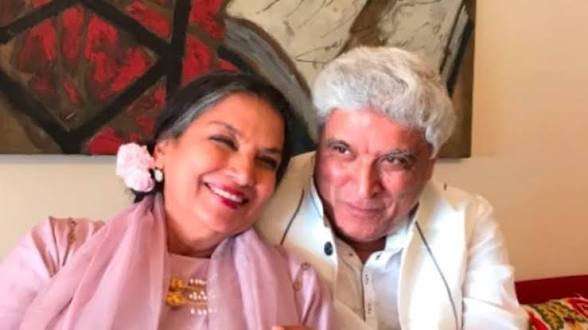
On October 4, 2026, veteran actor Shabana Azmi used Instagram to mark the date her husband Javed Akhtar first arrived in Mumbai, recounting a near-mythic image of a 19 year old stepping off a train at Bombay Central with just 27 naye paise in his pocket. The post, published on the day he turns 81, traced a path from extreme material hardship to a lifetime of writing that helped reshape mainstream Hindi cinema.
Azmi described nights spent sleeping on footpaths, in railway stations and in studio compounds, and a spell when Akhtar went without food for three days. She quoted the words he told himself during those darkest moments, words that she said kept him going: a determination that these days would change. The message was plainly intended as more than family memoir. Azmi framed Javed Akhtar’s early struggle as a lesson for anyone pursuing creative work, a reminder that talent and persistence can alter a life.
Why the recollection matters to Bollywood and beyond
The post matters for two reasons. First, Javed Akhtar is not only a celebrated screenwriter and lyricist, he is a cultural figure whose body of work shaped the tone and vocabulary of Hindi film for decades. As half of the Salim-Javed duo in the 1970s, he coauthored scripts for films such as Zanjeer, Deewaar and Sholay, titles that anchored a new kind of storytelling in Indian popular cinema. Later, his career as a lyricist and solo writer continued to influence film music and screenwriting.
Second, Azmi’s choice to highlight a humble origin narrative on his birthday speaks to how Bollywood frames success stories publicly. Celebrities often use personal milestones to connect with audiences, but this post foregrounds a narrative of struggle and survival rather than glamour. That choice resonates with an industry and an audience still fascinated by rags to riches arcs, and with younger creators who frequently confront precarious early careers.
What Akhtar’s journey says about industry change
Akhtar’s generation entered the Mumbai film world when the industry had fewer formal pipelines for writers and strident gatekeepers shaped who got work. His experience of long periods without food or shelter were not unusual for aspirants in the mid 20th century. Over the decades, the industry professionalized, with more formal training, greater institutional infrastructure and alternative platforms for writers and musicians. Yet Azmi’s post is a reminder that barriers to entry remain real for many.
For practitioners, the anecdote is more than nostalgia. It underscores how networks, opportunity and sheer resilience intersected to produce some of Indian cinema’s most enduring work. It also underscores the symbolic capital that veteran figures like Akhtar carry when they speak about craft and struggle. Their stories are recycled into advice for newcomers and into the media narratives that shape public expectations about success.
Reactions and cultural context
The post generated warm responses across the film community. Colleagues and younger industry figures reacted with heart emojis and reminiscences, treating the message as both a family memory and a broader moral. Public responses show how anniversaries tied to landmark careers function in Bollywood as moments to reappraise a figure’s influence, and to renew interest in work that new audiences might not have encountered.
Javed Akhtar’s career has long been subject to cultural reappraisal. Beyond box office metrics, his lyrics and scripts are studied for their linguistic texture and social reach. His partnership with Salim Khan defined an era of screenwriting that emphasized plot density and larger than life characters, while his later lyric writing blended poetic craft with mass appeal. That combination of craft and reach is why a personal recollection like Azmi’s draws attention across news desks and social timelines.
What to watch next
Anniversaries and birthday posts often prompt renewed interest in an artist’s catalogue. Expect media outlets and streaming platforms to surface or repromote landmark work associated with Akhtar, and for interviews or archival clips to resurface that illuminate his early years. For the industry, such moments also spur conversation about how to better support emerging writers and musicians, especially when access and financial insecurity remain barriers for many.
Shabana Azmi’s reflection on October 4, 2026 is therefore both a private tribute and a public story. It reframes Javed Akhtar’s life as a lesson in perseverance, and it invites a wider audience to consider the often unseen hardships behind celebrated careers in Indian cinema.