Salman Khan demands stricter penalties for AI deepfakes on Bigg Boss 20, urges legal action
During the September 27 Weekend Ka Vaar episode of Bigg Boss 20, Salman Khan warned about the growing threat of AI-generated deepfakes and called for criminal penalties, saying imprisonment may be needed to deter misuse. His remarks have reignited debate in India about regulation, platform responsibility and celebrity safety.
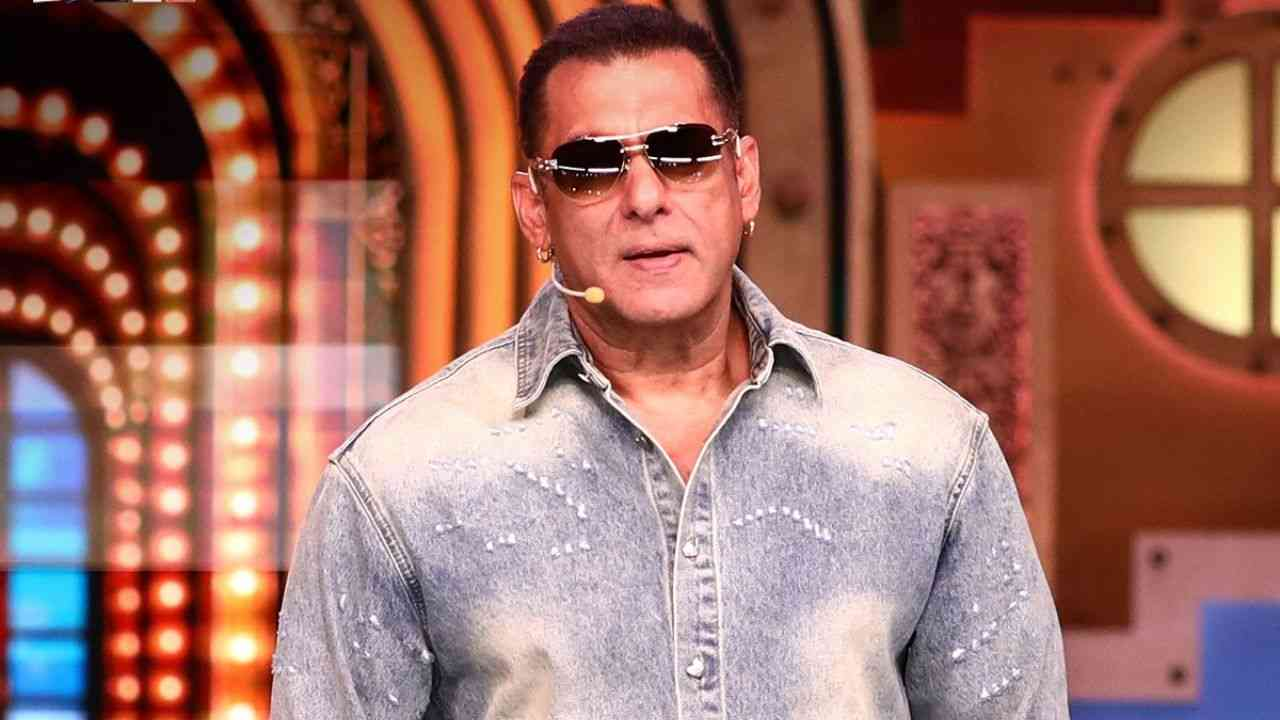
Salman Khan used the Weekend Ka Vaar stage of Bigg Boss 20 to publicly press for tougher legal consequences for people who create fake videos and manipulated audio using artificial intelligence, saying on camera that those who deliberately misuse the technology ‘‘should be put behind bars.’n
The remarks, delivered during the show episode broadcast over the weekend and widely reported on September 28, focused on the rising circulation of AI-generated content that falsely places public figures in fabricated scenes or makes them appear to speak words they never said. Salman linked those harms to online trolling and harassment of contestants, and to broader risks for reputation, privacy and personal safety.n
His intervention came as producers, contestants and viewers are already confronting the downstream effects of rapidly improving generative tools. Salman told the Bigg Boss audience he wanted stronger legal deterrents and suggested that until a few people were actually jailed for producing malicious deepfakes, the problem would not subside. He also urged social media platforms to step up policing of such material and for society to call out irresponsible use of the technology.n
Why the comments mattern
A mainstream Bollywood star making a direct public ask for criminal penalties does more than dramatize an entertainment beat. Salman Khan is one of India’s highest profile television hosts, and his commentary reaches a mass audience that includes lawmakers, industry leaders and platform executives. By framing deepfakes as a criminal problem rather than a narrow technology nuisance, his comments could increase political pressure on regulators and internet companies to move faster on detection, takedown and enforcement.n
India is already wrestling with how to balance free expression, platform liability and user safety as AI content tools spread. Lawmakers and courts are evaluating several legal strategies, from stronger civil remedies for defamation and privacy invasions to targeted criminal provisions aimed at fraud, harassment or electoral interference. Salman’s call for prison sentences places the issue squarely inside the security and criminal justice conversation, and raises questions about proportionality, evidentiary standards and enforcement capacity.n
Industry and legal context in Indian
Technology companies and platform intermediaries in India operate under a mix of statutes and rules that address online content, but explicit laws tailored to AI-generated deepfakes remain limited. The Information Technology Rules and intermediary liability provisions create pathways for takedown, but they do not specifically prescribe penalties for the creation of fabricated audiovisual material. Meanwhile, Indian courts have increasingly heard cases about false content, impersonation and harassment, using existing criminal and civil law tools to address harms. n
Experts say addressing deepfakes effectively will require a blend of policies: clearer criminal definitions for malicious fabrication, faster notice and takedown processes, mandatory provenance or watermarking standards for synthetic media, and stronger digital literacy campaigns so viewers can better judge what they see online. A technology and policy debate is also under way globally about whether criminal penalties alone deter actors who operate across borders and behind anonymizing tools.n
Reactions from the entertainment ecosystemn
Within hours of the broadcast, entertainment outlets and social media commentators highlighted Salman’s warnings as part of a larger conversation about celebrity safety and the ethics of AI. Producers and talent managers have already been grappling with derivative content that misuses performers’ likenesses for commercial or harassing purposes. For a reality show whose format depends on intense public attention and social conversation, the power of synthetic media to reshape narratives about contestants poses a direct operational challenge for broadcasters and regulators. n
What could change nextn
If public pressure from figures like Salman Khan intensifies, India’s policy response could accelerate through legislative clarifications or administrative rules focused on synthetic media. Platforms may respond by expanding content moderation teams, improving automated detection of manipulated media, or adopting required labels and authentication tools. At the same time, any push for criminalization will prompt debate about how to define intent, scope, and penalties in a way that targets harmful behavior without chilling legitimate expression or research. n
For viewers and creators, the immediate practical takeaway is to treat sensational video and audio with skepticism, check for provenance and await verification from credible outlets before repeating or amplifying explosive clips. For lawmakers and platforms, Salman Khan’s primetime intervention makes clear that public expectations for stronger action on AI misuse are rising, and that entertainment figures will be part of the pressure pushing for policy and industry responses.
Topics
LocationBigg Boss 20 Weekend Ka Vaar