Setting the Scene; A regional heavyweight test in India
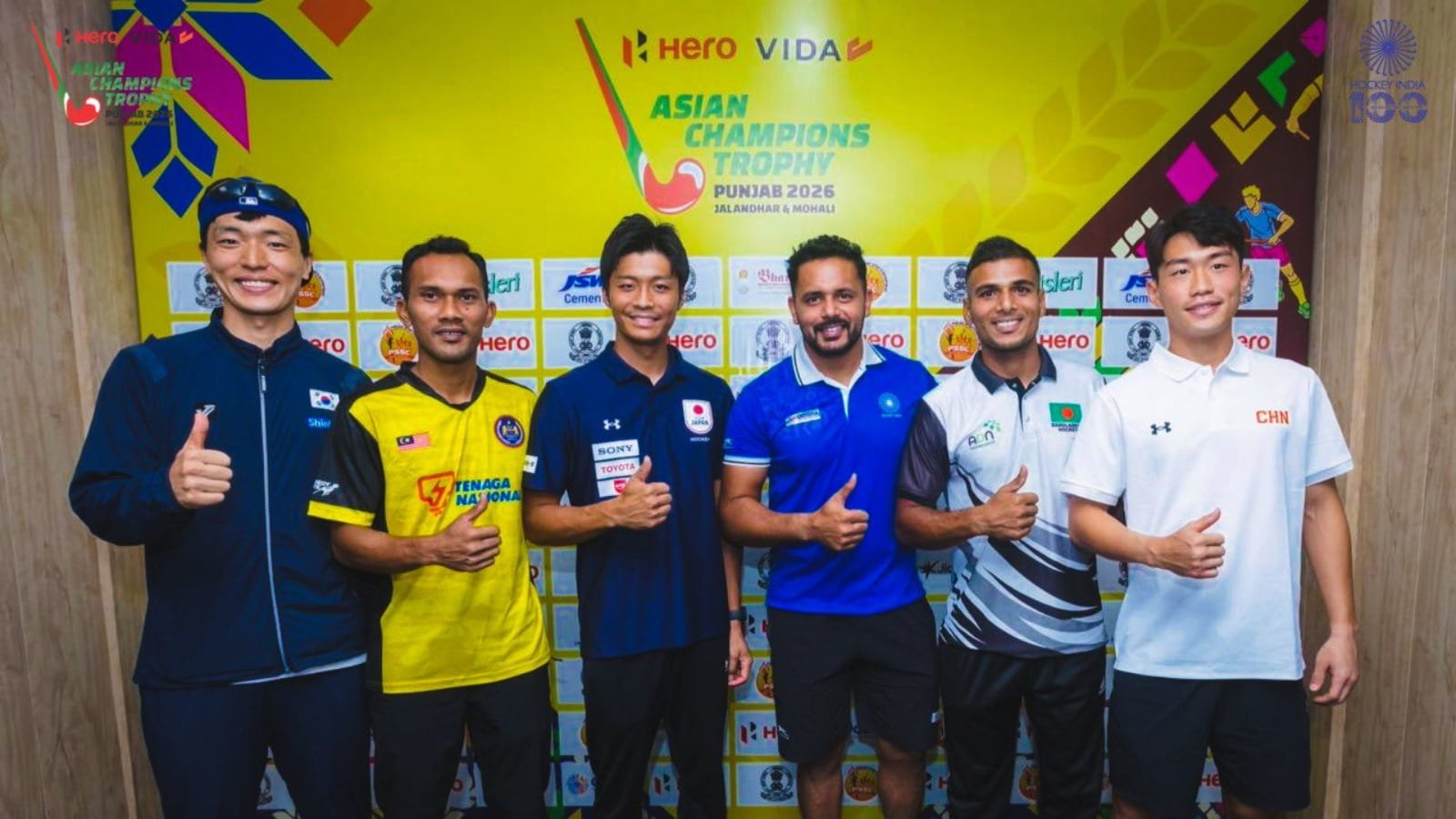
The 2026 Men’s Asian Champions Trophy began on October 27 in Punjab, India, staging matches across two cities in the state as the continent’s top hockey nations battle for regional supremacy. The tournament runs from October 27 to November 5, and it arrives at a busy point in the calendar, offering national teams competitive minutes and momentum ahead of next year’s major events. The competition also represents an important showcase for India’s hockey infrastructure and fan engagement, with packed local interest and organizational focus. (en.wikipedia.org)
What is at stake; more than a trophy
Beyond the title itself, the Asian Champions Trophy is a testing ground. Coaches will evaluate squad depth, refine tactical plans, and measure form against familiar regional opponents. For India, recent successes at continental competitions have raised expectations, and the home crowd will expect a commanding performance. The tournament is a chance for younger players to step forward, and for established stars to reaffirm leadership as teams eye bigger targets on the international calendar. (hockeyindia.org)
India’s position; momentum from recent results
India enters the competition on the back of strong continental showings, including an emphatic victory over Bangladesh at the Asian Games earlier in the season, where the team finished top of its pool and advanced safely into knockout phases. That performance has given coach and selectors room to rotate, while still expecting winning outcomes. With players who have experience in high-pressure matches, India will be favorites in several fixtures, but local pundits warn that regional rivals have closed the gap and that complacency could be costly. (hockeyindia.org)
Host cities and logistics; staging a multi-venue event
The tournament’s schedule splits matches across two cities in Punjab; organizers have emphasized enhanced pitch quality, spectator amenities, and broadcast arrangements to ensure the event showcases Indian hockey on a wider stage. State and local authorities worked with Hockey India to deliver logistics, and promotional efforts targeted local schools and community clubs to maximize attendance. The successful staging of a multi-city event will be weighed as much as the results on the pitch. (en.wikipedia.org)
Key teams to watch; rivalry and emerging threats
Traditional powers from Asian hockey are all present, including India, Pakistan, and other regional contenders. Pakistan remains a historical rival whose matches against India will carry extra intensity. Outside the subcontinent, teams such as South Korea and Malaysia typically present tactical discipline and quick transitions, while emerging squads have shown they can spring surprises in short tournaments. Analysts have flagged that squads with disciplined defensive structures, coupled with a reliable penalty corner unit, tend to prevail in this format. (en.wikipedia.org)
Tactical themes; tempo, set pieces, and rotation
Early tournament analysis suggests coaches will prioritize rotating their rosters to keep players fresh over the 10-day schedule. Set pieces, especially penalty corners, remain decisive; teams with specialist injectors and drag-flickers hold a tangible advantage. Speed on the flanks and the ability to transition from turnover to attack will also be critical, as the compressed format punishes teams that cannot recover quickly after mistakes. These tactical motifs will shape selection debates across squads. (en.wikipedia.org)
Players to watch; a blend of experience and youth
India’s contingent features established names who anchor the defense and lead on the field, alongside younger forwards and midfielders who have earned call-ups through domestic performances. The Champions Trophy is likely to accelerate the development of these youngsters by exposing them to tournament intensity against quality opponents. Coaches from other nations will also be testing their futures against India, using the platform to build towards larger targets. (hockeyindia.org)
Broadcast and fan engagement; reaching wider audiences
Organizers have worked to ensure the event receives broadcast coverage that reaches home audiences and regional viewers. With streaming options and linear broadcasts noted in tournament communications, fans can follow matches live and access highlights. Local fan engagement, including youth programs and community outreach, has been a component of the tournament’s planning, intended to translate a short-term event into long-term interest and participation at the grassroots. (en.wikipedia.org)
Looking ahead; implications beyond November 5
The Asian Champions Trophy offers immediate trophies and medium-term insights. Teams that perform well will carry confidence into the next international windows, while those who struggle will face selection reviews and tactical reassessments. For India, a strong home tournament would reaffirm continental credentials, while any slip-ups will prompt sharp scrutiny from media and fans in equal measure. As the tournament unfolds across Punjab, attention will center on marquee matchups and the knockout rounds that determine who lifts the trophy on November 5. (en.wikipedia.org)
For supporters and observers, the next week of hockey promises fast action, narrative-rich rivalries, and the small margins that decide regional bragging rights. The Asian Champions Trophy is underway; teams will now show whether preseason predictions align with performance under pressure.