Kyiv enters a dense weekend of cultural life on October 16, 2026, with headline concerts, film forum events and seasonal fairs that signal a return to large scale public programming in the Ukrainian capital. The two highest profile draws are the long‑running avant folk collective Dakhabrakha, performing at the October Palace, and a major solo concert by Eurovision winner Jamala at Concert Hall. Both shows anchor a broader weekend program that mixes mainstream pop, experimental music, classical evenings and outdoor autumn festivals.
What is happening and where
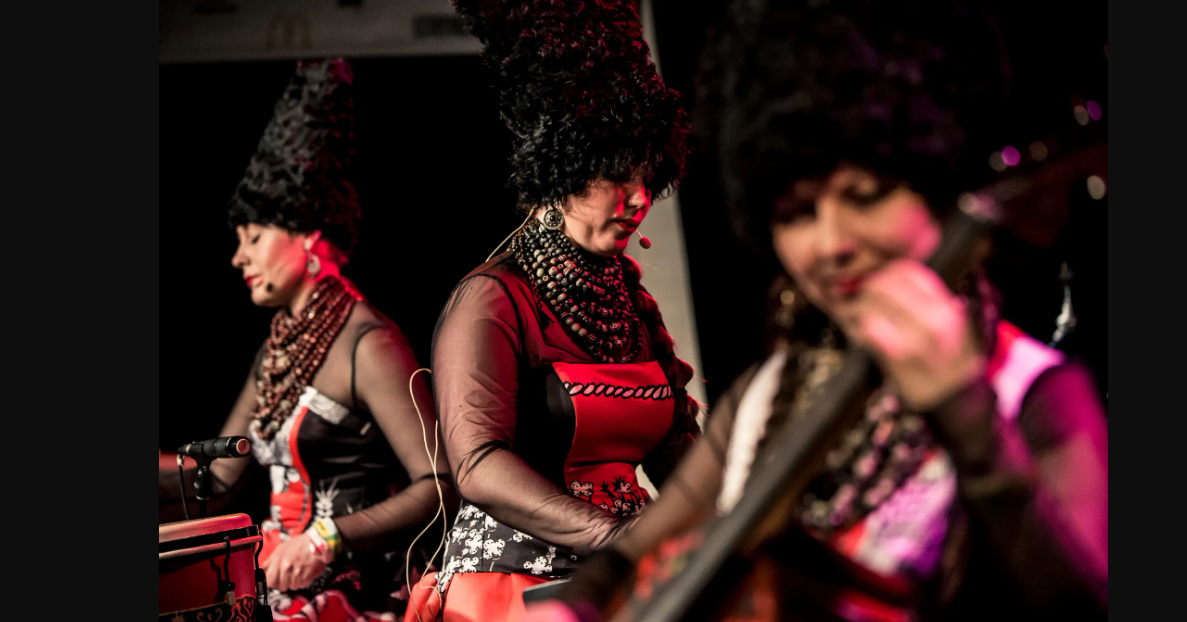
Dakhabrakha begins its Kyiv dates at the October Palace across October 17 and 18. The group’s shows are billed as immersive audio visual performances that combine traditional Ukrainian songs, world instruments and experimental arrangements. Organisers say the concerts will feature the band’s recent repertoire and staged visuals that highlight the ensemble’s theatrical approach to folk music.
Jamala, whose international profile grew after her Eurovision triumph, takes the Concert Hall stage with a concept programme that fuses funk, soul, electronic pop and Crimean Tatar motifs. The set list will pair the singer’s best known hits with newly written material, presented in a live arrangement designed to foreground vocal nuance and instrumental textures.
Those two headline nights sit amid a long list of cultural options across the city. Festival and venue calendars for October 16 to 18 show film forums and screenings at the Dovzhenko Centre and other cultural institutions, a seasonal craft and food fair called Garbuz Fest at the open air Museum of Folk Architecture and Life, a candlelit Vivaldi and Mozart programme at St. Catherine’s Church, and club nights that mark local scene anniversaries.
Why this weekend matters
The concentration of large concerts, film screenings and public festivals at once is significant for two reasons. First, it demonstrates the capacity of Kyiv’s cultural infrastructure to stage major events while operating under heightened security and logistical demands. Venues and promoters continue to adapt to constrained resources and amplified safety protocols, yet audiences are returning to in person performances in meaningful numbers.
Second, the line up reflects a broadening of Ukraine’s cultural export and domestic programming strategies. Dakhabrakha’s theatrical, globally recognised approach to folk music and Jamala’s fusion of pop and Tatar motifs both point to a deliberate mixture of local tradition and contemporary internationalism. That combination helps Ukrainian artists sustain touring opportunities and festival invitations abroad, while also reenergising the domestic scene.
Who is affected and who should pay attention
Live music fans, festival goers and the city’s hospitality sector stand to benefit from the weekend schedule. For Kyiv venues and promoters, strong attendance helps rebuild revenue streams that were disrupted in previous years. Cultural workers and artists gain visibility and momentum, which supports new commissions and collaborations.
For international observers and presenters, the programming is also a practical signal. Promoters abroad monitor whether Ukrainian acts are touring and how they present new material. Successful high profile shows at home make it more likely artists will secure future festival slots and cross border tours.
Practical details for attendees
- Expect staggered start times and enhanced entry checks at larger venues. Bring tickets, government issued ID and arrive early to allow for screening.
- Outdoor events like Garbuz Fest are family friendly and usually open with local food and craft stalls. Dress warmly for autumn weather and check transport options in advance.
- Ticket prices vary widely by show and seating. Popular headline concerts typically sell out in advance, so prospective attendees should check official ticketing partners for availability and verified resale policies.
Context and what to watch next
The weekend’s programming follows months in which Ukraine’s cultural calendar has steadily regained scale. Major festivals and international showcases have returned in recent seasons, and Ukrainian artists continue to appear across European lineups. Observers should watch for follow up tour announcements and festival dates from the artists involved, which will indicate whether domestic demand translates into renewed international bookings.
For Kyiv specifically, the success of this concentrated weekend will be an immediate barometer for how well the city supports simultaneous high profile events across venues and outdoor sites. Promoters and municipal partners will likely use attendance and logistical outcomes to plan the winter and spring season.
In short, October 16 and the days that follow make clear that Kyiv remains a focal point for Ukrainian performance culture. The mix of traditional rootedness and contemporary presentation embodied by Dakhabrakha and Jamala highlights how the city is staging cultural life as both civic practice and an engine for artistic exchange.