
Police revisit classrooms as campaign returns after spike in youth violence
Italy’s Polizia Postale and the national police launched a concentrated “Action Week” on October 2, 2026 as part of the fourteenth edition of the long running Una Vita da Social education campaign. Officers are visiting schools, youth centres and local events across Liguria, Alto Adige and other provinces to directly engage students, teachers and families on the risks posed by social media, and to offer reporting and prevention tools for cyberbullying, sextortion and other forms of online violence.
What the Action Week involves
The Action Week amplifies the police’s itinerant programme with briefings, workshops and question and answer sessions led by specialists from the Polizia Postale. Activities include classroom talks about identifying grooming and coercion, demonstrations of how images and messages can be weaponised online, practical guidance on privacy settings and digital resilience, and instructions on how to file police reports and preserve evidence.
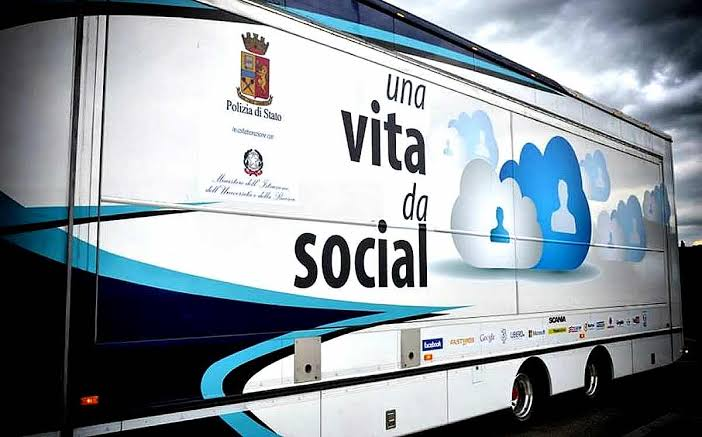
The initiative also deploys the project truck that serves as a mobile digital classroom. The campaign organisers say the concentrated week of visits is intended to reach a maximum number of adolescents quickly, while equipping teachers and parents with clear steps to spot warning signs and intervene early.
Why authorities are intensifying outreach now
Police officials framed the Action Week as a response to a recent uptick in violent episodes involving minors and a continuing stream of incidents such as sextortion and non consensual sharing of intimate images, which investigators said demand renewed emphasis on prevention. Local police statements and media reports published on October 2, 2026 cited recent cases and statistics from earlier regional operations that showed multiple investigations into sextortion and online harassment over the past year.
The organisers stress that educational outreach remains a central pillar of their strategy, complementing investigative work. By combining prevention, awareness and clear reporting channels, the police aim to lower the number of incidents and ensure quicker, evidence based responses when crimes occur.
How schools and families are being involved
Sessions are tailored to different audiences. For pupils the focus is practical: how to protect privacy, how to avoid behaviours that can escalate into abuse, and where to turn if something happens. For teachers and school staff the presentations emphasise legal obligations and pathways for referring cases to law enforcement while preserving students’ rights. Separate meetings for parents cover conversation strategies, parental controls and how to support a child who may be victimised.
Local newspapers and police press offices reporting on October 2 described the initiative as both reactive and preventive, designed to restore confidence among communities and shore up the informal safeguards that stop online harms from becoming criminal cases.
Context: a longstanding national effort
Una Vita da Social has been run in successive editions over many years. Police figures cited in prior editions show the campaign has reached hundreds of thousands of students, teachers and parents in earlier cycles, and the project has often been paired with dedicated investigative work by the Polizia Postale into the most serious incidents. Authorities have also used the campaign to highlight tools to report non consensual images and to urge platforms to cooperate when preservation of evidence is required for prosecution.
Observers of digital safety note that while education and reporting channels are essential, systemic issues remain: platform design choices, international jurisdictional hurdles for content takedown and the speed with which content and interactions can spread continue to complicate prevention and enforcement.
Immediate aims and expected outcomes
For the Action Week the police aim to increase awareness of reporting options and reduce incidents by bolstering the digital literacy of students and adults. Officials said they also intend to gather information that can guide subsequent investigative priorities and to reassure families that law enforcement takes online harms seriously.
Local reporting on October 2 stressed that the campaign is meant to be recurring and cumulative. The police emphasised that when victims know how to preserve chat logs and metadata, investigations are more likely to succeed and prosecutions to follow. The Action Week therefore pairs prevention work with practical, forensics oriented advice for those affected.
Why this matters
As social platforms continue to be central to teenage social life, incidents of harassment, coercion and image based abuse remain a persistent threat to minors in Italy and elsewhere. The Action Week is a rapid, visible response designed to interrupt harmful trends, to make help accessible and to create stronger lines of accountability between schools, families and law enforcement. Whether the concentrated outreach translates into fewer incidents and faster investigations will be measurable only over time, but the immediate priority for authorities is to bring information, resources and support to the places where young people are most at risk.
Policymakers and educators will be watching to see whether the campaign drives measurable changes in reporting rates, platform responses and community awareness, and whether it spurs additional collaborations between national police, regional education authorities and online platforms.