Record jump, sprint gold and a discus sweep lift India’s tally
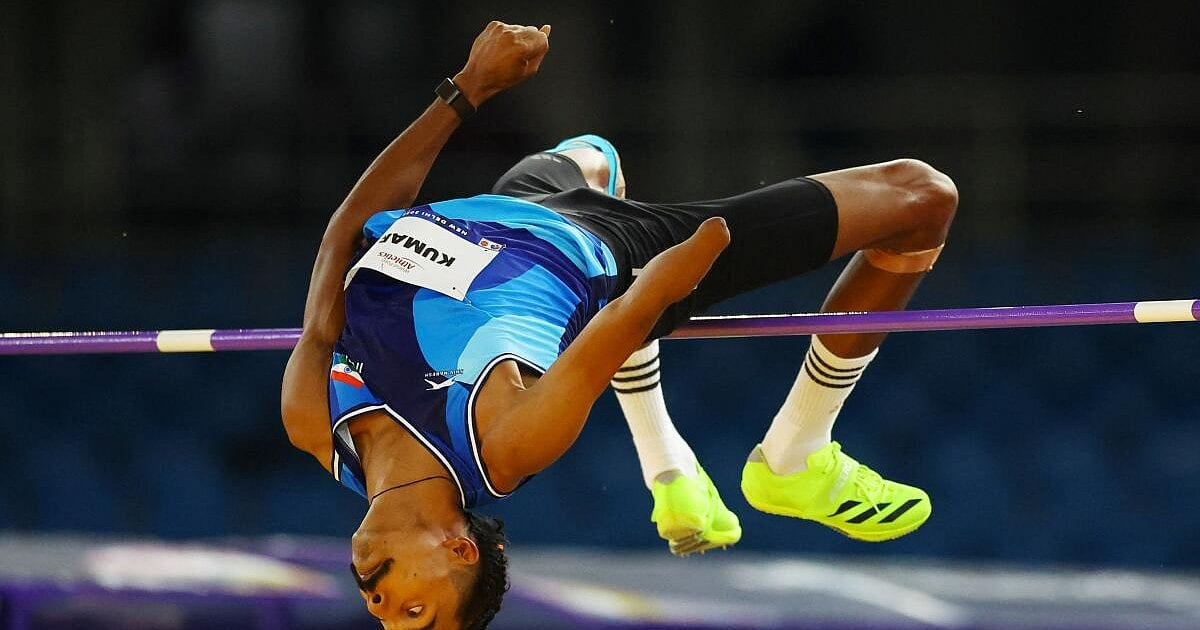
India produced a striking second-day performance at the 2026 Asian Para Games in Aichi and Nagoya, collecting a large tranche of medals across athletics, swimming, table tennis and powerlifting. The most eye catching moment came when Nishad Kumar cleared 2.04 metres to win the men’s high jump T47 final and set a new Asian Para Games record, completing a standout day for India’s para athletics squad.
How the medals came
Nishad’s clearance arrived in the afternoon session and was accompanied by a string of other podium finishes that together transformed India’s position on the medals board. Deepthi Jeevanji won the women’s 400m T20 in a Games record time of 56.36 seconds, claiming another gold for the Indian contingent and underlining the strength of the country’s T20 program.
India also dominated several field events. The men’s discus throw combined classification event produced a complete Indian sweep of the podium, with Devender Kumar taking gold, Rakesh second and Pradeep Kumar third after points were applied to adjust for differing impairment categories. Earlier in the session Pranav Soorma secured gold in the discus F51/52/53 event, reinforcing the depth of India’s throwing group.
Success across the pool and table
Beyond athletics, India’s swimmers added bronze medals to the tally, notably Himanshu Nandal in the men’s 400m freestyle S11 and Niranjan Mukundan in the men’s 200m individual medley SM7. Para table tennis contributed multiple podium finishes, with several players progressing to medal positions and adding to the day’s haul.
Powerlifting produced further success, as Ashok claimed silver in the men’s 65kg bench press, improving on his previous editions and demonstrating progress in upper-body strength events for India.
What the numbers mean
India’s second-day surge added 24 medals to the 11 won on the opening day, taking the cumulative total to 35 medals by the close of competition on October 20. The haul included nine gold, 11 silver and 15 bronze medals, lifting India into the top group on the leaderboard and moving the country into sixth position overall among competing nations.
The swing in day to day medal production shows both breadth and depth: golds came from track, throws and jumps, while bronze and silver results arrived in technical and judged sports where classification points and fine margins determine final placings. The discus podium sweep was notable because combined classification scoring can produce counterintuitive placements when raw distances are converted into Raza points, yet Indian athletes adapted well to the system on the day.
Why this matters for India’s para sport program
The results in Nagoya do more than fill a medal table. Multiple outcomes from October 20 point to a maturing pipeline of para talent across several disciplines. Nishad Kumar’s Games record is a high profile indicator that Indian athletes can win and break records on the continental stage. Deepthi Jeevanji’s clocking in the 400m T20 underlines improvements in coaching and competition exposure for middle distance para runners.
Wins and podiums across disciplines also improve qualification prospects for world events and global Paralympic qualification pathways. Several athletes who medalled on October 20 either secured or moved closer to minimum qualification standards for future championships, and their performances will influence selection, funding and preparation pipelines back home.
Immediate reaction and next steps
Officials and athletes celebrated the results in Nagoya, noting the balance between established names and younger performers stepping into the spotlight. With several more medal events scheduled for the following days, India’s delegation will aim to consolidate the momentum, prioritize events where athletes can convert finals into medals and manage recovery for athletes with multiple events.
The competition continues through the week, with athletics, table tennis, swimming and powerlifting among the sports where Indian competitors are scheduled to remain competitive. The results on October 20 provide both confidence and a clear focus for coaches and administrators as they plan the remainder of the Games and the build to global events.
Looking ahead
India’s Day 2 performance in Nagoya demonstrates how a concerted investment in para sport, combined with improved international exposure, is translating into continental success. If the form shown on October 20 is sustained, India could move further up the standings and secure key qualification markers for athletes targeting world championships and Paralympic selection in the years ahead.